Saudi Arabia is witnessing unprecedented sporting activity, with the Saudi Professional League (the Roshan League) transforming into a global destination attracting top football stars, in line with the goals of the Kingdom's Vision 2030, which prioritizes the sports sector. Despite this tremendous development at the club and infrastructure levels, pressing questions arise regarding the performance of the national team, which seems to be lagging behind the rapid progress of the league.
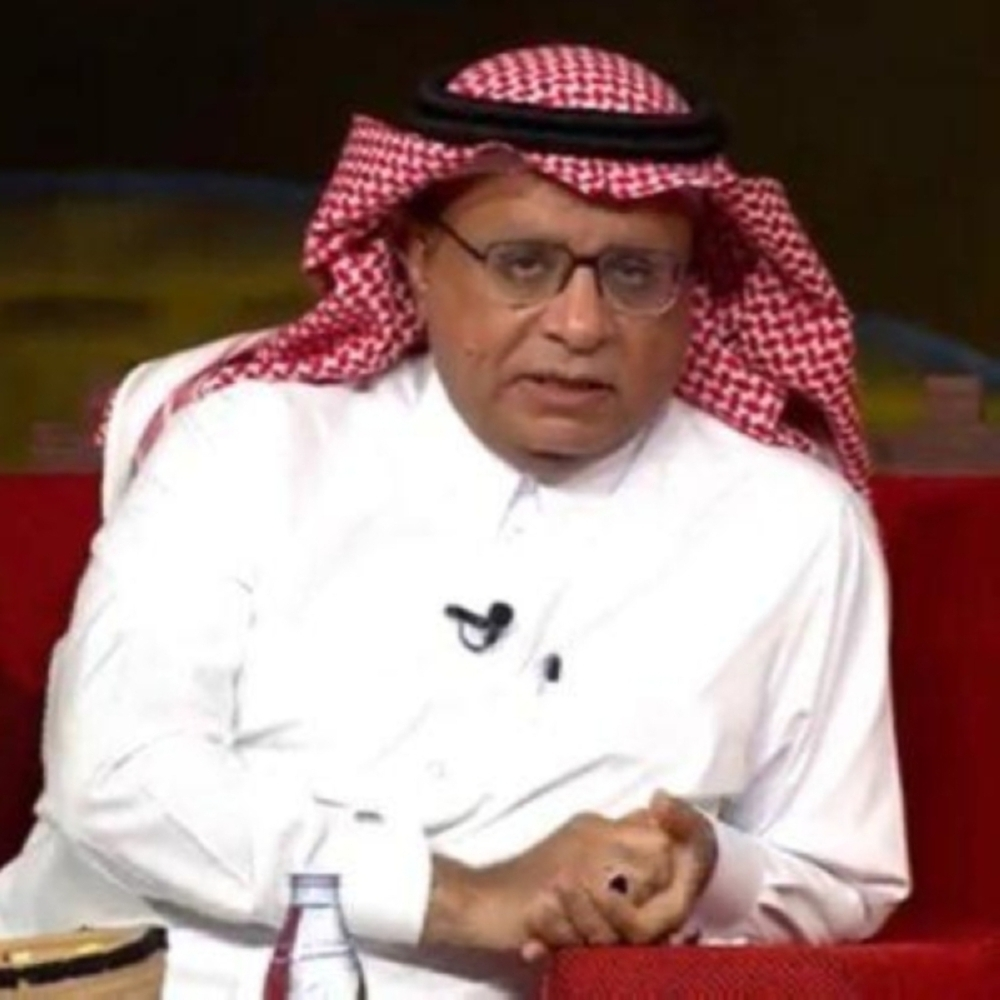
In this context, writer and sports critic Saud Al-Sarami offers a profound analytical perspective on the national team's predicament, emphasizing that the crisis is not as pervasive as some portray it to be across Saudi football. Facts and figures indicate that Saudi youth teams continue to achieve positive and distinguished results at both the continental and regional levels, demonstrating the presence of talented players. Furthermore, Saudi clubs have become formidable forces in continental and global competitions. So, where does the problem lie?
Diagnosing the crisis: artificial protectionism and financial abundance
Al-Sarami believes that traditional solutions employed over many years, such as changing technical and administrative staff or restructuring the football federation's boards, have only produced temporary "surges" that fall short of sustainable success. A more accurate diagnosis indicates that the problem lies in the current professional system, which has created what can be termed "artificial protection" for local players by restricting the number of foreign players.
This protection has generated excessive job security and rapid wealth that doesn't match the technical performance on the field. This has led to the transformation of players from "struggling athletes" striving to prove themselves into "comfortable employees" lacking the motivation to improve. The author cites examples of promising young talents (such as Ahmed Al-Ghamdi, Khaled Al-Ghannam, and Turki Al-Ammar) who preferred to remain on the bench with lucrative contracts rather than face the challenges of playing regularly and developing their skills. This exemplifies the concept of "moral hazard" in economics, where effort is reduced in exchange for guaranteed financial reward.
Proposed solution: Competitive shock and lifting the cap on foreign players
Based on global experiences and studies in sports economics, Al-Sarami proposes a radical solution: removing restrictions on the number of foreign players to create a necessary "competitive shock" to revitalize Saudi football. This measure would achieve several strategic gains:
- Correcting market value: Local players’ salaries will return to their sound economic and technical logic, as clubs will only pay astronomical sums to those who prove their worth and superiority over foreign players, thus restoring the value of “quality” instead of “nationality”.
- Restoring the fighting spirit: The local player will find himself with only one option, which is to work hard and develop his physical and mental abilities to win his place in the starting lineup, thus restoring the lost "youth passion".
- Enhancing professionalism abroad: When local competition intensifies and salaries become realistic, playing professionally in European and regional leagues will become an attractive and necessary option for Saudi players, which will directly benefit the national team by providing genuine professional players accustomed to high pressures.
Towards a sustainable future and global entitlements
This approach does not imply marginalizing national talent; rather, it can be balanced by mandating the inclusion of a specific number of youth academy graduates in club rosters to ensure the continued development of players. This vision gains added importance as the Kingdom prepares for major events, most notably hosting the 2034 World Cup. This event requires a strong national team capable of competing with the best, which can only be achieved through a truly professional environment that cultivates the best and strongest players.