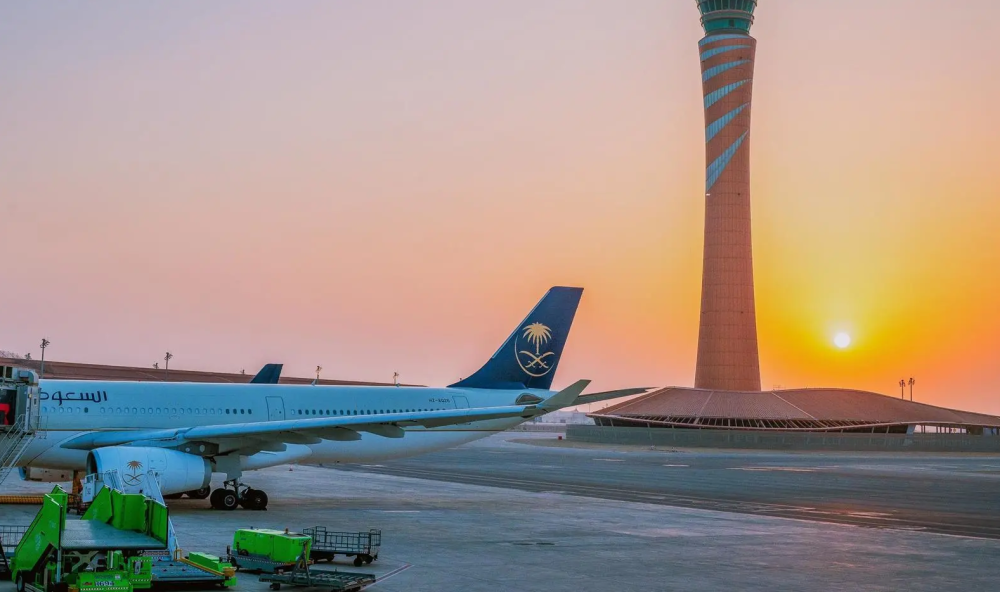
أظهرت الإحصائيات الرسمية لعام 2023 تحقيق قطاع الطيران في المملكة العربية السعودية قفزة تاريخية، حيث سجلت مطارات المملكة نمواً قياسياً في الحركة الجوية بنسبة تجاوزت 9.6%، لتستقبل أكثر من 140.9 مليون مسافر. هذا الرقم لا يمثل فقط تجاوزاً للمعدلات الإقليمية، بل يرسخ مكانة المملكة كواحدة من أسرع أسواق الطيران نمواً وتطوراً على مستوى العالم، مدفوعة باستراتيجية وطنية طموحة تتناغم مع أهداف رؤية 2030.
خلفية النمو: الاستراتيجية الوطنية للطيران
يأتي هذا الإنجاز كجزء من خطة أوسع وأشمل تتمثل في الاستراتيجية الوطنية للطيران، التي أُطلقت كإحدى ركائز رؤية 2030 لتحويل المملكة إلى مركز لوجستي عالمي يربط ثلاث قارات. تهدف الاستراتيجية إلى زيادة الطاقة الاستيعابية للمسافرين لتصل إلى 330 مليون مسافر سنوياً، ورفع عدد الوجهات الدولية إلى أكثر من 250 وجهة بحلول عام 2030. النمو المسجل في 2023 هو شهادة على التقدم الملموس نحو تحقيق هذه الأهداف، حيث يعكس نجاح السياسات الرامية إلى تحرير السوق، وتطوير البنية التحتية للمطارات، وإطلاق ناقلات جوية جديدة مثل “طيران الرياض”.
تفاصيل الأداء التشغيلي لعام 2023
لم تكن نسبة النمو البالغة 9.6% مجرد رقم عابر، بل هي نتيجة لتوسع كبير في الطاقة الاستيعابية والربط الجوي. توزّع إجمالي المسافرين البالغ 140.9 مليوناً بين 76 مليون مسافر دولي و65 مليون مسافر داخلي، مما يشير إلى انتعاش قوي في السياحة الدولية والأعمال، إلى جانب حركة داخلية نشطة. وتزامن هذا النمو مع ارتفاع ملحوظ في عدد الرحلات الجوية بنسبة 8.3%، ليصل الإجمالي إلى حوالي 980.4 ألف رحلة، وهو مؤشر واضح على استدامة الانتعاش وزيادة الطلب على السفر من وإلى المملكة.
المطارات الرئيسية تقود المشهد
تجسّد هذا النمو بشكل واضح في المطارات الرئيسية، حيث واصل مطار الملك عبدالعزيز الدولي بجدة تصدره للمشهد باستحواذه على 38% من إجمالي حركة المسافرين، وبمتوسط يومي بلغ 146 ألف مسافر، متجاوزاً طاقته الاستيعابية بنسبة 107%. فيما سجل مطار الملك خالد الدولي بالرياض أداءً قوياً بنسبة 29% من الإجمالي، بمتوسط 112 ألف مسافر يومياً. كما سجل مطارا الأمير محمد بن عبدالعزيز الدولي بالمدينة المنورة والملك فهد الدولي بالدمام قفزات تاريخية، حيث تجاوزت معدلات استخدام الطاقة الاستيعابية فيهما 137% و112% على التوالي، مما يؤكد الحاجة الملحة لمشاريع التوسعة الجارية والمستقبلية.
الأهمية والتأثير المستقبلي
على الصعيدين الإقليمي والدولي، يعزز هذا النمو من مكانة المملكة كلاعب محوري في صناعة الطيران. فمن خلال ربطها بـ 176 وجهة دولية، أصبحت المملكة أكثر سهولة للوصول من مختلف أنحاء العالم. كما أن وجود مسارات جوية مثل (القاهرة – جدة) في المرتبة الثانية عالمياً و(دبي – الرياض) في المرتبة السابعة، يؤكد على الثقل الاستراتيجي للمملكة في المنطقة. هذا التطور لا يدعم قطاع السياحة والترفيه فحسب، بل يخدم أيضاً الأهداف الاقتصادية الأوسع، حيث شهد قطاع الشحن الجوي استقراراً عند 1.18 مليون طن، مما يعكس دور قطاع الطيران كمحرك أساسي للنمو الاقتصادي والخدمات اللوجستية، ويجعل من مطاراتها بوابة العالم نحو المستقبل.