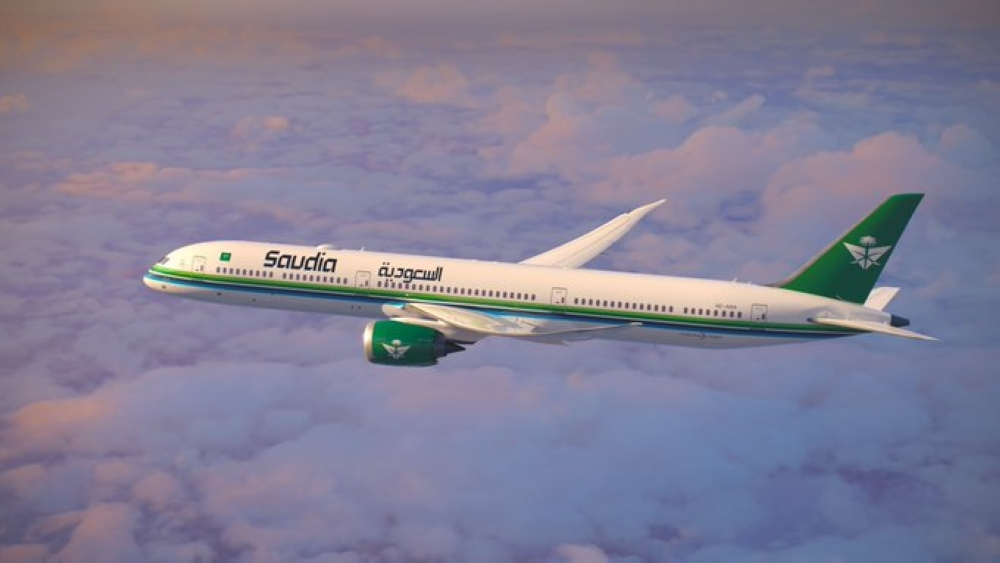
Saudi Arabian Airlines, the national carrier of the Kingdom of Saudi Arabia, announced that it is closely monitoring the global safety updates and guidelines issued by Airbus concerning its fleet of A320 aircraft operating worldwide. In a statement, the airline confirmed that it is currently conducting a thorough assessment of any potential impact on its approved flight schedules, emphasizing that the safety of its passengers and crew remains its top priority.
Saudi Airlines clarified that if these technical updates necessitate any changes to flight schedules, affected passengers will be contacted directly and immediately to provide all available information and alternatives. This move comes in response to a warning issued by Airbus, the European aerospace giant, on Friday evening regarding the need for an urgent software update for thousands of A320 family aircraft.
Background of the warning and its technical dimensions
Airbus issued its warning after an analysis of a recent incident, the details of which were not disclosed, showing that intense solar radiation can affect aircraft flight control systems. Consequently, the manufacturer issued recall orders that could affect up to 6,000 A320 family aircraft worldwide to implement a necessary software update. The A320 family (which includes the A319, A320, and A321 models) is the backbone of many global and regional airlines' short- and medium-haul flights, thanks to its operational efficiency and proven safety record.
Importance and expected impact on the aviation sector
This measure is of paramount importance to ensuring the continued highest standards of air safety. Domestically , Saudi Arabian Airlines and its subsidiaries, such as flyadeal, operate a large fleet of A320 aircraft, making them directly affected by this directive. Any operational disruptions, even temporary ones, could impact their extensive domestic and international flight networks. Regionally , the majority of Middle Eastern airlines rely heavily on this aircraft type, meaning the impact will not be limited to a single carrier but could create logistical challenges in flight scheduling across the entire region.
Internationally , this directive represents a significant event for the global aviation industry. Inspecting and upgrading thousands of aircraft requires immense coordination between Airbus, airlines, and maintenance operators worldwide. Airbus has acknowledged that these recommendations could lead to operational disruptions for passengers and customers globally, as each aircraft will need to be taken out of service briefly for the upgrade, further straining already congested global flight schedules.