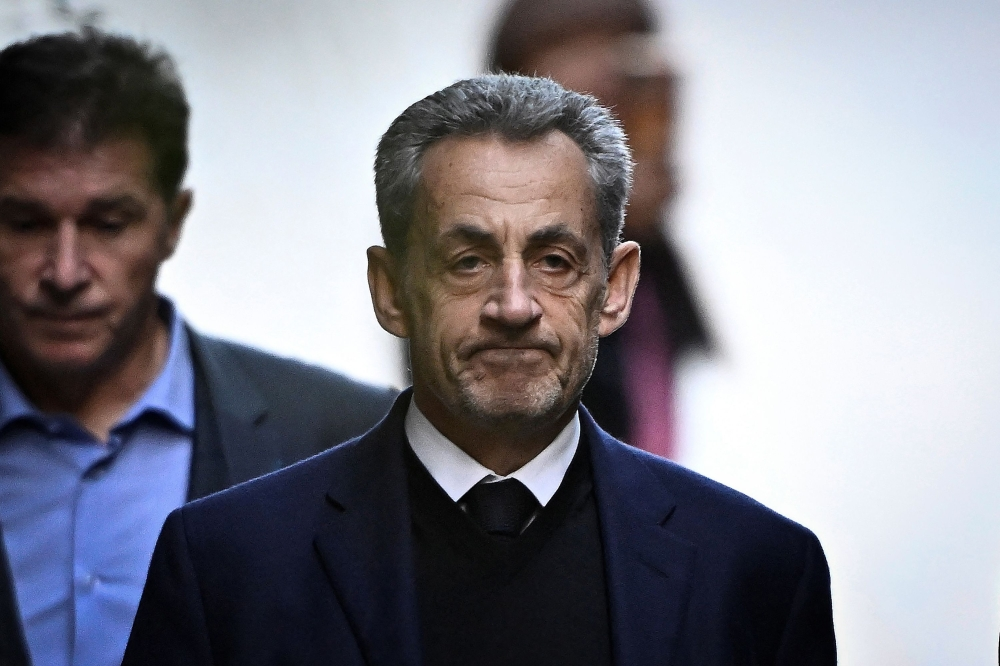
في قرار قضائي تاريخي، أسدلت محكمة النقض الفرنسية، وهي أعلى هيئة قضائية في البلاد، الستار نهائياً على واحدة من أبرز القضايا السياسية والمالية في تاريخ الجمهورية الخامسة. حيث أيدت المحكمة يوم الأربعاء الحكم الصادر بإدانة الرئيس الأسبق نيكولا ساركوزي في قضية التمويل غير القانوني لحملته الانتخابية لعام 2012، والمعروفة إعلامياً بـ “قضية بيغماليون”. هذا الحكم النهائي لا يضيف فقط إدانة جنائية ثانية لسجل ساركوزي، بل يرسخ سابقة قضائية هامة تؤكد على مبدأ سيادة القانون والمساواة أمام القضاء، حتى وإن تعلق الأمر برئيس سابق للبلاد.
خلفية قضية بيغماليون وتفاصيلها
تعود جذور هذه القضية المعقدة إلى الحملة الانتخابية الرئاسية لعام 2012، التي شهدت منافسة حادة خسرها ساركوزي في النهاية لصالح الاشتراكي فرانسوا هولاند. كشفت التحقيقات لاحقاً عن وجود مخطط احتيالي واسع النطاق لتجاوز السقف القانوني للإنفاق الانتخابي، والذي كان محدداً بـ 22.5 مليون يورو. لقد أنفقت حملة ساركوزي ما يقارب 43 مليون يورو، أي ضعف المبلغ المسموح به تقريباً. ولإخفاء هذا التجاوز الهائل، تم اللجوء إلى شركة علاقات عامة تُدعى “بيغماليون”، والتي قامت بإصدار فواتير مزورة لحزب ساركوزي آنذاك، “الاتحاد من أجل حركة شعبية” (UMP)، تحت غطاء تنظيم مؤتمرات حزبية وهمية، بينما كانت التكاليف الحقيقية موجهة لتمويل التجمعات الانتخابية الضخمة لساركوزي. ورغم أن التحقيقات لم تثبت تورط ساركوزي المباشر في تصميم المخطط، إلا أن المحاكم خلصت إلى أنه كان على علم بالتحذيرات المتكررة من المحاسبين بشأن تجاوز الإنفاق، ورغم ذلك استمر في تنظيم المزيد من الفعاليات الباهظة.
المسار القضائي الطويل وتأثيره
لم يكن الطريق إلى هذا الحكم النهائي قصيراً. فبعد سنوات من التحقيقات، صدر الحكم الابتدائي في عام 2021، والذي أدان ساركوزي و13 متهماً آخرين. استأنف ساركوزي الحكم، لكن محكمة الاستئناف في باريس أيدت الإدانة في مايو 2023، وقضت بسجنه لمدة عام، نصفها مع وقف التنفيذ والنصف الآخر تحت المراقبة بسوار إلكتروني. وكان قرار محكمة النقض الأخير هو المحطة النهائية التي رفضت طعن ساركوزي، مما يجعل الحكم الصادر عن محكمة الاستئناف باتاً ونهائياً. هذه الإدانة تضاف إلى إدانة أخرى سابقة في قضية فساد واستغلال نفوذ تعرف بـ “قضية التنصت”، مما يجعل ساركوزي أول رئيس فرنسي في حقبة ما بعد الحرب يُحكم عليه بالسجن الفعلي.
الأهمية السياسية والرمزية للحكم
يحمل هذا القرار أبعاداً تتجاوز شخص نيكولا ساركوزي. فعلى الصعيد المحلي، يُعتبر انتصاراً لاستقلالية القضاء الفرنسي وقدرته على محاسبة أقوى الشخصيات في الدولة، مما يعزز ثقة المواطنين في المؤسسات الديمقراطية. كما أنه يلقي بظلاله على المشهد السياسي لليمين الفرنسي، حيث لا يزال ساركوزي، رغم ابتعاده الرسمي عن السياسة، شخصية مؤثرة ومرجعية لكثيرين داخل حزب “الجمهوريون”. أما على الصعيد الدولي، فإن الحكم يعزز صورة فرنسا كدولة قانون ومؤسسات، في وقت تواجه فيه العديد من الديمقراطيات تحديات تتعلق بالفساد السياسي والمساءلة. وفيما يغلق هذا الحكم فصلاً طويلاً من المتاعب القانونية لساركوزي، فإنه يفتح الباب أمام تساؤلات أعمق حول أخلاقيات تمويل الحملات الانتخابية وضرورة تشديد الرقابة لضمان نزاهة العملية الديمقراطية.