Recent analysis of maritime surveillance data has revealed intense and suspicious activity in Venezuelan territorial waters, with analysts tracking the departure of at least 16 oil tankers subject to international sanctions from Venezuelan ports. This rapid activity follows the dramatic developments in the country, namely the arrest of President Nicolás Maduro by US forces last Saturday, which has created a sudden power vacuum and confusion in the management of the country's vital resources.
Details of the great escape of Venezuelan oil
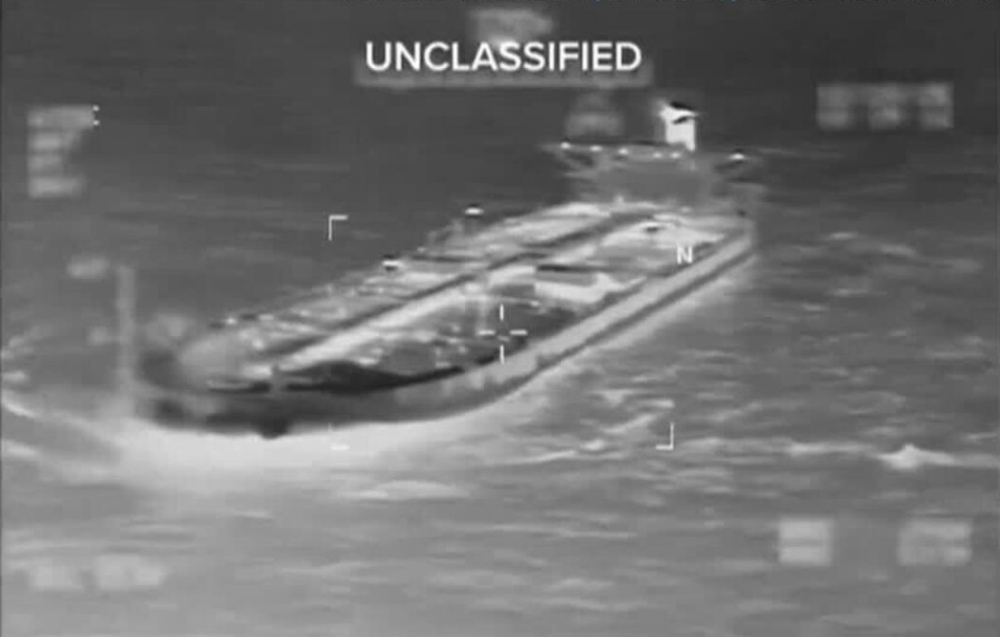
According to Tanker Trackers, a website specializing in tracking oil shipments, these vessels are part of what is known as the "shadow fleet." Estimates indicate that 13 of the 16 tankers that departed were carrying massive cargoes of approximately 12 million barrels of crude oil and refined petroleum products. This enormous quantity, with its high market value, suggests an attempt to smuggle oil assets before the US fully secures maritime routes.
Satellite images from the European Copernicus program documented four of these tankers sailing north, away from the Venezuelan coast. The vessels were identified as the Aquila 2, Bertha, Veronica 3, and Vesna. These ships face significant risks due to stringent US sanctions, making them direct targets of the naval blockade imposed by President Donald Trump on December 16, which targets any oil tankers attempting to circumvent the embargo on Venezuela.
The context of sanctions and the "shadow fleets" war
To understand the implications of this event, one must consider the broader context of Venezuela's oil industry, which possesses the world's largest proven oil reserves. For years, the Maduro regime has relied on oil tankers flying other countries' flags or concealing their identities to circumvent US sanctions that have crippled the Venezuelan economy. These vessels, known as the "ghost fleet," employ sophisticated tactics such as switching off their transponders (AIS) or transmitting misleading GPS signals to conceal their true locations, a fact confirmed by recent reports indicating that most of the departing tankers had deactivated their tracking devices.
International assurances and geopolitical ties
In an independent verification process, AFP, through satellite data analysis, tracked the tanker Vesna – linked to trading networks with Iran and Russia – sailing 40 kilometers east of Grenada, a distance of 500 kilometers from its previous location in just 24 hours. This Russian and Iranian connection adds an international dimension to the crisis, pointing to a complex web of interests attempting to salvage what remains of Venezuelan oil.
The tanker "Sea Maverick" was also spotted, a special case as it is not subject to direct US sanctions, but rather to British and European sanctions on suspicion of transporting Russian oil, which confirms the overlap of oil smuggling routes between countries subject to Western sanctions.
Expected economic and political repercussions
The removal of 12 million barrels of oil in this manner carries profound economic and political implications:
- Economically: These shipments represent a huge amount of cash that the regime or its beneficiaries are trying to secure abroad, which could deprive any future transitional administration of vital resources to rebuild the collapsed economy.
- From a security standpoint, this escape poses logistical challenges for the US Navy and coalition forces in effectively implementing the naval blockade without causing environmental incidents or military confrontations in the Caribbean Sea.
- Internationally: The success or failure of these tankers in reaching their destinations could reshape the black market for oil and test the seriousness and effectiveness of Western sanctions in completely isolating the targeted regimes from the global economy.