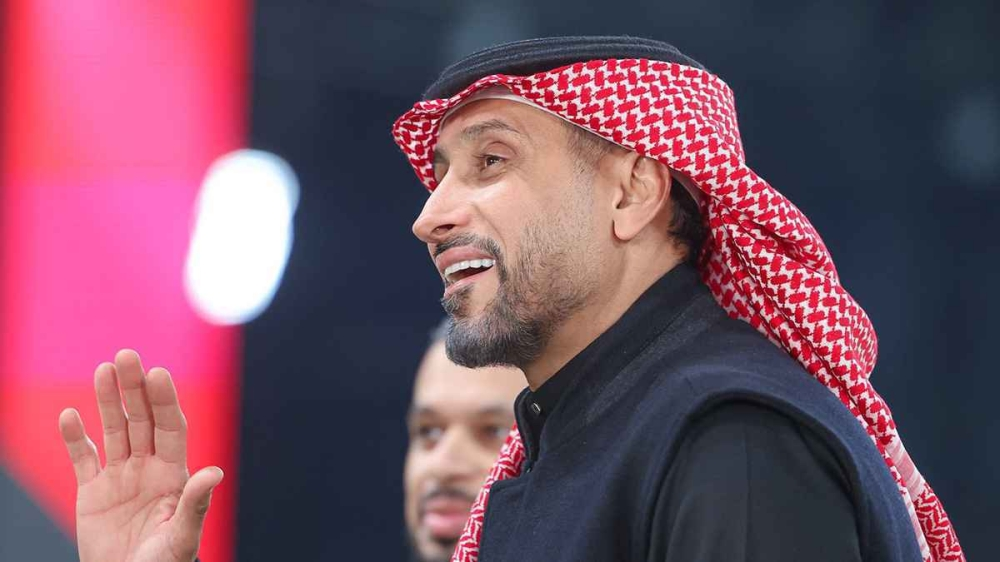
Saudi football legend and former Al-Hilal star Sami Al-Jaber issued a strong warning against considering the dismissal of the club's first-team football manager, describing such a decision at this time as "catastrophic in every sense of the word." Al-Jaber, who previously served as club president, made these remarks amidst the team's inconsistent results during a certain period of the season, which led to them temporarily losing their lead in the Saudi Professional League and increasing calls for a change in the coaching staff.
Speaking on the “Our Club” program, Al-Jaber emphasized that technical stability is the cornerstone of any team aspiring to win championships, especially mid-season. He explained, “The decision to dismiss the coach at this time is a catastrophic one, and it would not be the right decision at all.” He added that instead of making changes, the coach and his staff should review all matters and decisions to correct the course in the coming period, noting that the team is not yet out of the title race and that the solution lies in finding the right approach that unleashes the potential of the team's star-studded squad.
The context of high pressure in the "leader's" stronghold
These discussions take place within the well-known historical context of Al-Hilal, nicknamed "The Leader" for its dominance of local and continental championships. A winning culture is deeply ingrained in the club, and the expectations of both fans and management are always at their highest, placing any coaching staff under immense pressure from day one. Historically, periods of poor performance have been intolerable, and the club has seen numerous coaching changes, even in seasons that culminated in championship victories. The opinion of a figure of Sami Al-Jaber's stature, who has experienced these pressures as a player, coach, and president, is seen as a voice of wisdom seeking to establish a more stable and patient approach to sports management.
The importance of stability and its impact on Al-Hilal's future
The significance of Al-Jaber's statements lies in their potential impact on decision-making within the club. Domestically, changing coaches mid-season could shake player confidence and disrupt tactical plans, potentially costing the team valuable points in the league and King's Cup races. Continentally, Al-Hilal is consistently a strong contender for the AFC Champions League title, and any sudden coaching change could undermine their Asian campaign. Given the significant development of the Saudi league and its attraction of international stars and coaches, maintaining coaching stability projects a professional image and enhances the club's appeal as a stable destination for global talent, rather than an environment characterized by hasty decisions.