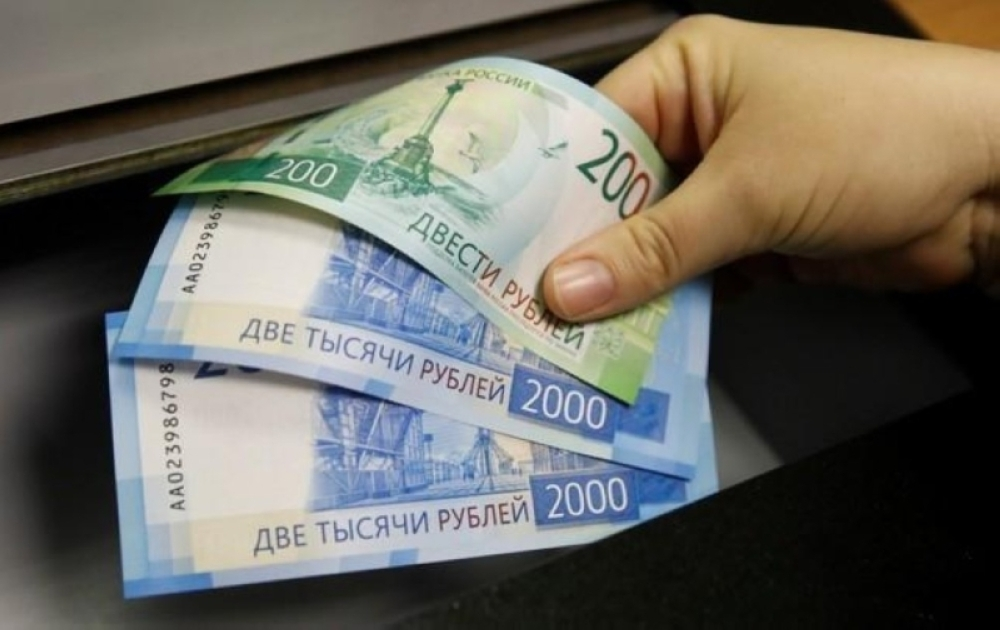
The Central Bank of Russia announced an update to its official exchange rates for major currencies against the ruble, a move reflecting the monetary authorities' ongoing efforts to stabilize the currency market. According to the data released, the Russian currency strengthened significantly between January 31 and February 2.
Specifically, the Central Bank lowered the exchange rate of the US dollar by 29.24 kopeks, settling at 75.7327 rubles. The euro was also adjusted, with its official rate falling by 50.71 kopeks to 90.468 rubles. Similarly, the Chinese yuan, which is increasingly important in the Russian economy, depreciated by 3.13 kopeks to 10.8689 rubles.
General context and historical background
These adjustments come in a complex economic and geopolitical context. Since the imposition of sweeping Western sanctions on Russia in 2022, the ruble has had a volatile journey. Initially, its exchange rate plummeted, but it quickly recovered to become one of the world's best-performing currencies that year. This remarkable recovery is attributed to a series of stringent measures implemented by the central bank, including strict capital controls, requiring exporters to convert a significant portion of their foreign currency earnings into rubles, and the demand for payment in rubles for Russian gas by so-called "unfriendly countries.".
Importance and expected impact
The stability and strength of the ruble are of paramount importance to the Russian economy on several levels. Domestically , a strong ruble helps curb inflation by making imported goods cheaper for Russian consumers and businesses. However, it poses a challenge to the federal budget, as a significant portion of state revenue comes from energy exports denominated in dollars and euros, and a stronger ruble reduces the value of these revenues when converted to the local currency.
At the regional and international levels , the ruble's performance is considered an indicator of the Russian economy's resilience to external pressures. It also reflects the ongoing move to reduce dependence on the dollar and the euro, and the eastward shift towards trading partners such as China. This is evident in the increasing volume of trading in the Chinese yuan on the Moscow Exchange, gradually replacing traditional Western currencies. This trend towards "de-dollarization" is not unique to Russia; it is part of a broader global trend in which several countries are seeking to strengthen their financial sovereignty and reduce their exposure to the dollar-dominated financial system.