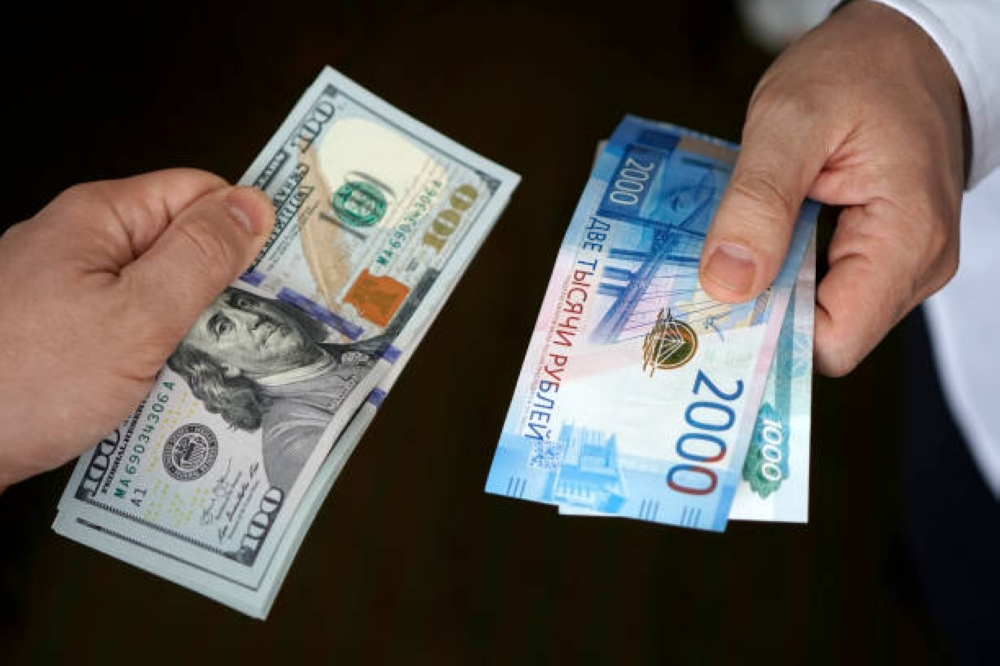
The Central Bank of Russia announced an adjustment to the official exchange rates of the ruble against major currencies, a move reflecting the ongoing pressures facing the Russian economy. According to the bank's data, the ruble was devalued for the period from February 21 to 24, with the US dollar exchange rate rising by 11.14 kopeks to 76.7519 rubles, indicating a weakening of the local currency.
Similarly, the euro appreciated against the ruble, rising by 11.64 kopeks to 90.2833 rubles. The Chinese yuan, which is increasingly important in Russian trade, also rose by 1.82 kopeks, reaching 11.0929 rubles. While these figures represent daily adjustments, they are part of a broader pattern of volatility in the Russian currency.
General context and historical background
This decline in the ruble's value comes amid complex economic and geopolitical circumstances. Since the start of the military operation in Ukraine in February 2022, the Russian economy has been subjected to unprecedented waves of Western sanctions targeting its financial, banking, and energy sectors. Initially, the ruble plummeted, but intervention by the Russian Central Bank through stringent measures, such as significantly raising interest rates and imposing capital controls, coupled with rising global energy prices, contributed to its notable recovery during 2022.
However, the factors that had supported the ruble began to change. The price cap imposed on Russian oil by the G7 and the EU reduced Russia's energy export revenues, its main source of hard currency. At the same time, domestic demand for foreign currency began to rise as imports gradually resumed, putting additional pressure on the ruble.
Importance and expected impact
The weakening ruble has mixed effects on the Russian economy. On the one hand, a weaker ruble is beneficial to the federal budget, as revenues from dollar-denominated oil and gas exports translate into more rubles, helping the government finance its increased spending, including military expenditures. This gives fiscal policymakers greater flexibility in managing the budget.
On the other hand, currency devaluation increases the cost of imports, fueling inflation and negatively impacting the purchasing power of Russian citizens. Russia relies heavily on imports of a wide range of consumer and technological goods, and rising prices pose a significant challenge for both consumers and businesses. Internationally, the ruble's exchange rate reflects the isolation of the Russian economy and its vulnerability to sanctions. It also highlights Russia's strategic shift toward using alternative currencies, such as the Chinese yuan, in its international trade, in an effort to reduce its dependence on the dollar and the euro and circumvent financial constraints.