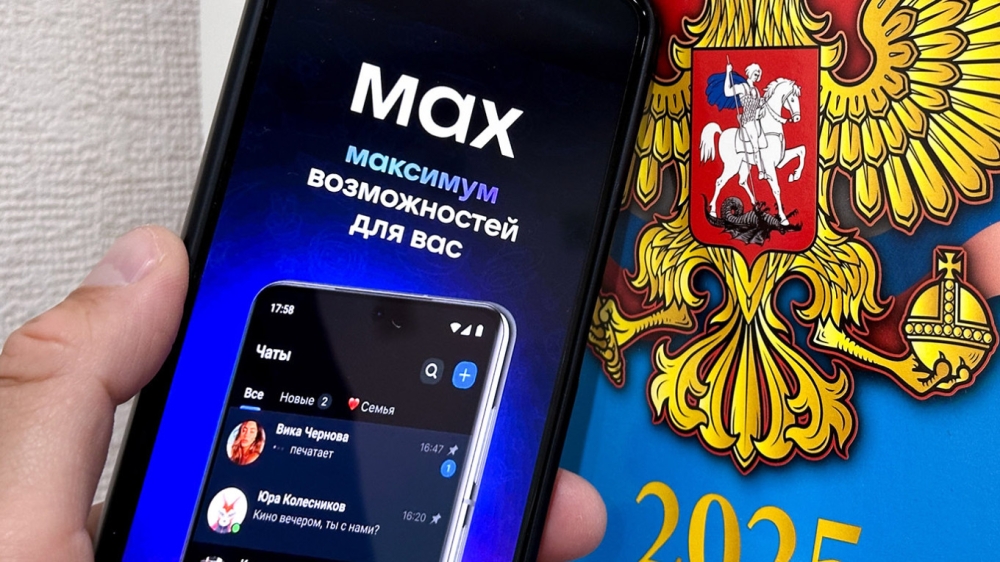
In a move that raises serious questions about the future of digital privacy, Russian authorities are increasingly mandating the use of Max , a Russian-made, unencrypted “national messaging” service, on their citizens. Whether users embrace the app or not, its aggressive promotion coincides with a crackdown on global platforms, including the blocking of popular apps like WhatsApp and Telegram. These actions, framed as Moscow’s assertion of independence from foreign influence, are forcing millions of users into a new digital reality.
The roots of digital isolation and the pursuit of internet sovereignty
To understand the motivations behind the launch of this app, one must consider the broader historical context of internet policies in Russia. Since 2019, Moscow has enacted a “sovereign internet” law aimed at isolating the Russian internet (ronet) from the global network in emergencies. As geopolitical tensions escalated in 2022, the government intensified its efforts to block Western social media platforms. Within this context, the app emerges as part of a long-term strategy to create a closed digital environment. Launched by the Russian social media giant VK, the app is designed to serve as a versatile digital tool by 2025. While not legally mandatory, the lack of alternatives makes it a de facto obligatory choice.
Privacy is in jeopardy: Who owns user data?
The app's unencrypted nature raises serious security concerns. Researcher Baptiste Robert, CEO of the French cybersecurity firm Predicta Lab, asserts that the lack of end-to-end encryption means that "any data passing through this app can be considered to be in the hands of its owner, and therefore in the hands of the Russian state." This statement highlights a radical shift in the concept of privacy, as Russian President Vladimir Putin justifies the use of this domestic app by claiming it fulfills the country's urgent need for "security" and "technological sovereignty," free from the dominance of foreign technology companies.
The impact of the Russian Max app on the local and international digital landscape
The impact of this move extends beyond Russia itself, setting a precedent for how states control the flow of information. Domestically, the Russian app Max , pre-installed on mobile phones and tablets sold in Russia since September, offers a familiar Telegram-like design, complete with chat rooms, channels, and attractive stickers to draw in over 100 million users. Crucially, it remains unaffected by service disruptions during the Russian authorities' increasing mobile data shutdowns.
Conversely, users find themselves forced to resort to VPNs (Virtual Private Networks) to access blocked applications, programs that authorities constantly combat and prohibit advertising. Internationally and regionally, Marielle Wegermars, Associate Professor of Internet Governance at Maastricht University, agrees that this trend represents the culmination of policies aimed at creating a “sovereign internet.” She believes that Russia is seeking to restructure the domestic internet to improve control over what is published and shared, particularly by relocating all Russians to platforms under greater state control.
The app has expanded beyond Russian and Belarusian SIM card holders, becoming available in English and through telecom companies in 40 countries, including former Soviet republics in Central Asia, Cuba, and Pakistan. However, it remains blocked or unavailable in Ukraine and EU countries, reflecting the deep digital divide the world is experiencing today.