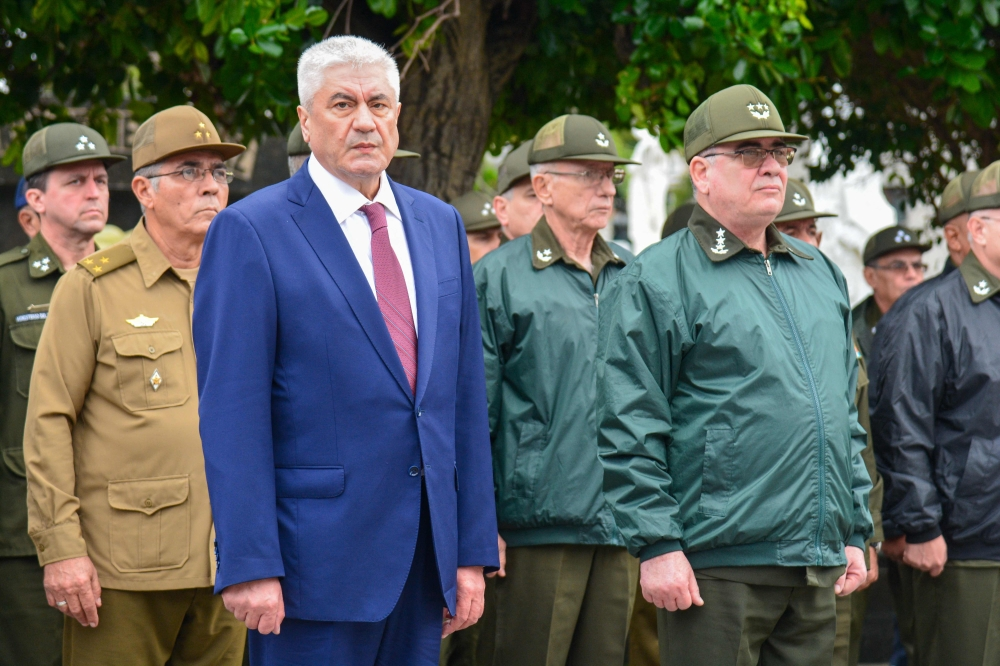
في خطوة تعكس عمق العلاقات التاريخية وتأتي في سياق جيوسياسي متوتر، بدأ وزير الداخلية الروسي فلاديمير كولوكولتسيف زيارة رسمية إلى كوبا لعقد سلسلة من الاجتماعات الثنائية. وأعلنت السفارة الروسية في هافانا أن الوزير الروسي وصل صباح الثلاثاء، حيث كان في استقباله نظيره الكوبي ألبرتو ألفاريز، في زيارة تكتسب أهمية خاصة في ظل الضغوط المتزايدة التي تمارسها الولايات المتحدة على الجزيرة.
خلفية تاريخية للعلاقات الروسية الكوبية
تمتد جذور التحالف بين موسكو وهافانا إلى حقبة الحرب الباردة، عندما أصبحت كوبا تحت قيادة فيدل كاسترو حليفاً استراتيجياً للاتحاد السوفيتي في نصف الكرة الغربي. وقدّم الاتحاد السوفيتي دعماً اقتصادياً وعسكرياً وسياسياً هائلاً لكوبا، مما ساعدها على الصمود في وجه الحصار الأمريكي الذي فُرض عليها منذ أوائل الستينيات. وبعد تفكك الاتحاد السوفيتي، شهدت العلاقات فترة من الفتور، لكنها عادت لتكتسب زخماً جديداً في عهد الرئيس فلاديمير بوتين، حيث تسعى روسيا لاستعادة نفوذها على الساحة الدولية وإقامة شراكات استراتيجية مع حلفائها التقليديين.
أهمية الزيارة في السياق الحالي
تأتي زيارة كولوكولتسيف في وقت تشهد فيه العلاقات بين روسيا والغرب، وعلى رأسها الولايات المتحدة، توتراً غير مسبوق على خلفية الصراع في أوكرانيا. ومن هذا المنطلق، لا يمكن النظر إلى هذه الزيارة على أنها مجرد لقاء دبلوماسي روتيني، بل هي رسالة سياسية واضحة. فمن خلال تعزيز وجودها في منطقة تعتبرها واشنطن “فناءها الخلفي”، ترد موسكو على ما تعتبره تمدداً لحلف الناتو بالقرب من حدودها. تركز المباحثات المعلنة على التعاون في مجال إنفاذ القانون والأمن الداخلي، ولكنها قد تمهد الطريق لتعاون أوسع في مجالات أخرى، بما في ذلك الاقتصاد والدفاع.
التأثير الإقليمي والتوتر مع واشنطن
تتزامن هذه الزيارة مع استمرار إدارة الرئيس الأمريكي السابق دونالد ترامب، ومن بعده الإدارة الحالية، في تشديد الضغوط على كوبا. وتتهم واشنطن هافانا بدعمها القوي لحكومة الرئيس الفنزويلي نيكولاس مادورو، وهو حليف آخر لموسكو في المنطقة. وتنظر الولايات المتحدة بقلق إلى أي تقارب روسي مع دول أمريكا اللاتينية التي تتبنى سياسات مناهضة لها، مثل كوبا وفنزويلا ونيكاراغوا. وبالتالي، فإن هذه الزيارة تعزز من موقف كوبا في مواجهة الضغوط الأمريكية، وتؤكد على أن لديها حلفاء أقوياء على الساحة الدولية يمكنها الاعتماد عليهم، مما يعقد المشهد الجيوسياسي في المنطقة ويزيد من حدة التنافس الدولي.