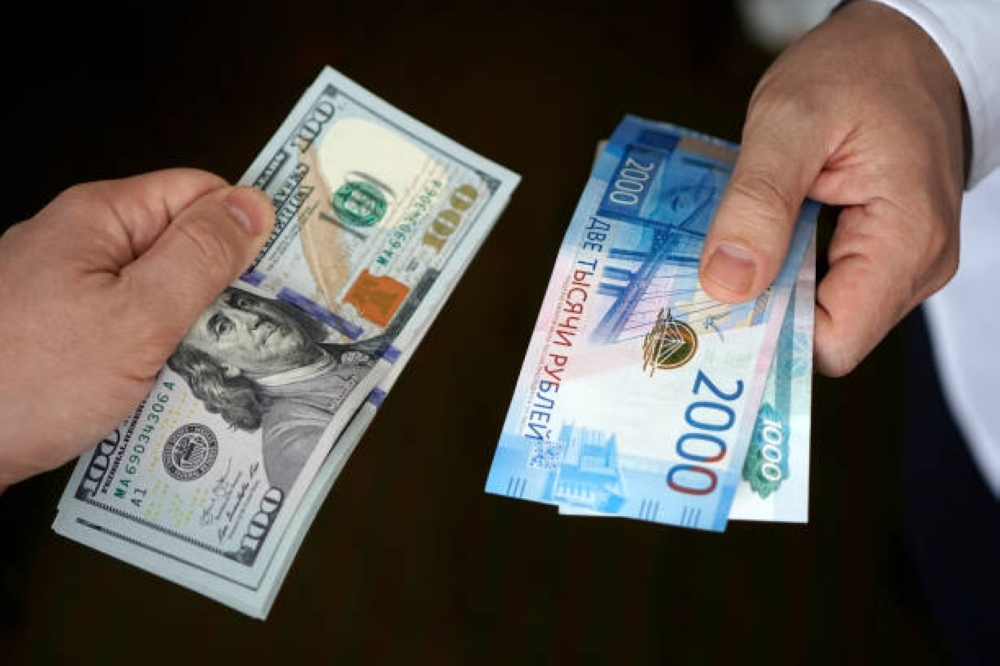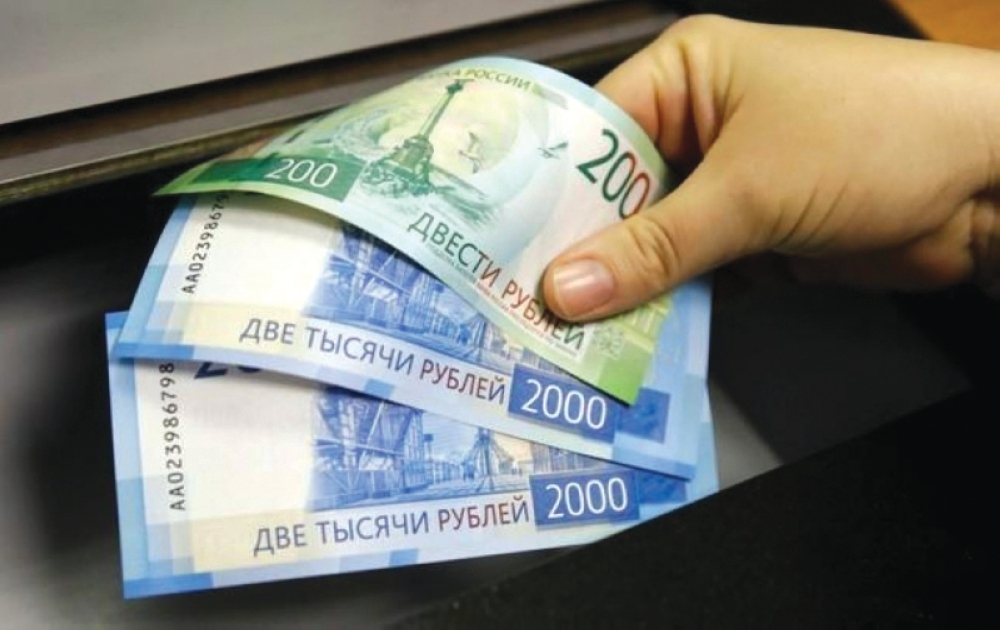
The Central Bank of Russia announced in an official statement today an update to the exchange rates of major foreign currencies against the national currency (the ruble) for the period from January 17 to 19. Official data showed a positive trend for the Russian currency, as the ruble continued to strengthen and reduce its losses against the basket of major currencies, including the US dollar, the euro, and the Chinese yuan.
Details of the new exchange rates
According to figures released by Russia's financial regulator, the official exchange rate of the US dollar was lowered by 69.48 kopeks compared to the previous day's trading, settling at 77.8332 rubles. Similarly, the euro saw a significant decline, with the central bank reducing the official exchange rate by 1.27 rubles to 90.5366 rubles. The Chinese yuan was not immune to this downward trend, falling by 8.92 kopeks to 11.151 rubles.
Economic context and market mechanisms
This move comes as part of the Russian Central Bank's monetary policies aimed at maintaining the stability of the national currency amidst global economic challenges and ongoing Western sanctions. Russia bases its official exchange rate on trading data from the Moscow Exchange, and this appreciation of the ruble reflects either increased demand for the ruble or decreased demand for foreign currencies within Russia. This is often linked to tax payment deadlines for exporting companies that convert their foreign currency earnings into rubles.
Shift towards the yuan and the East
The inclusion of the Chinese yuan among the key currencies highlighted in the Central Bank's reports is a strong indicator of a strategic shift in the Russian economy. Since the imposition of Western sanctions in 2022, Moscow has begun reducing its reliance on the dollar and the euro (which it classifies as currencies of unfriendly nations) and turning to Asian currencies, primarily the yuan, to finance foreign trade. The yuan's depreciation against the ruble in this report suggests that the Russian currency is maintaining its stability even with its new trading partners.
Expected impacts locally and internationally
The strengthening ruble has mixed effects on the Russian economy. On the one hand, a stronger ruble helps curb inflation by reducing the cost of imported goods, which benefits Russian consumers and preserves their purchasing power. On the other hand, it can negatively impact government revenues, which are heavily reliant on energy exports, as a stronger ruble means lower local currency returns when converting dollar-denominated oil and gas revenues. Nevertheless, monetary stability remains the central bank's primary objective to ensure a secure investment environment and avoid sharp fluctuations that could harm markets.