محادثات حاسمة في الكرملين وسط تصعيد خطابي
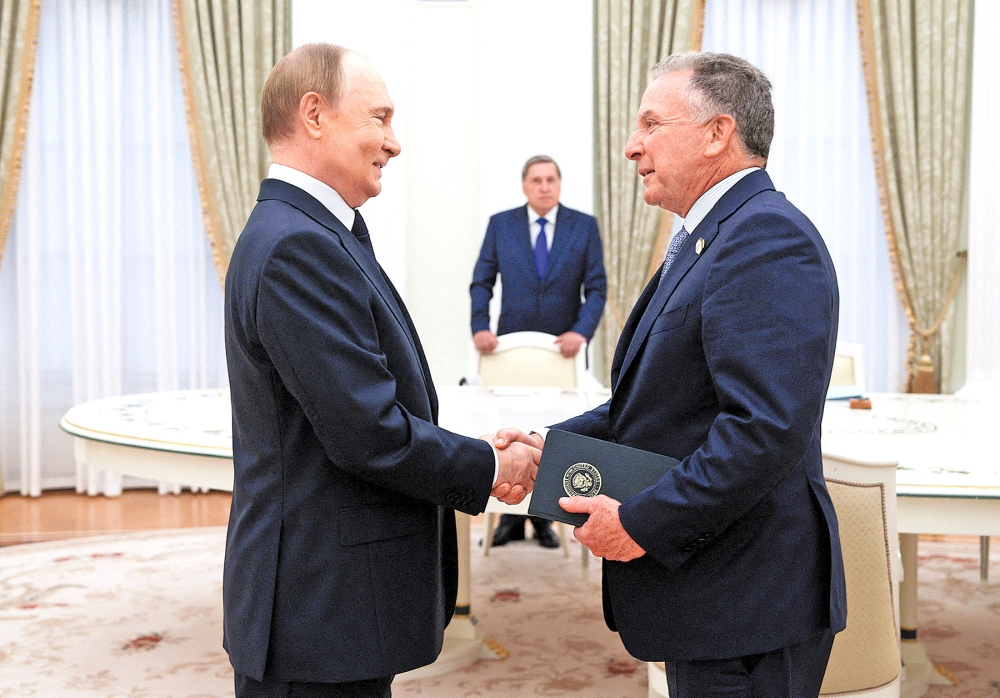
في خطوة دبلوماسية تثير التساؤلات، استقبل الكرملين وفداً أمريكياً لبدء محادثات وُصفت بأنها محاولة لاستكشاف سبل إنهاء الحرب في أوكرانيا. يأتي هذا اللقاء في ظل تصعيد خطابي من الرئيس الروسي فلاديمير بوتين تجاه أوروبا، مما يضع هذه المبادرة في سياق معقد من التوترات الجيوسياسية والمصالح المتضاربة. فهل تمثل هذه المحادثات بداية حقيقية نحو السلام، أم أنها مجرد جولة جديدة في الصراع الدبلوماسي الطويل الذي يتابعه العالم بقلق؟
خلفية الصراع: جذور تمتد لسنوات
لفهم أهمية هذه المحادثات، لا بد من العودة إلى جذور الصراع الذي لم يبدأ في فبراير 2022، بل تعود بداياته إلى عام 2014. فبعد الإطاحة بالرئيس الأوكراني الموالي لروسيا، قامت روسيا بضم شبه جزيرة القرم بشكل غير قانوني، ودعمت تمرداً انفصالياً في إقليم دونباس شرق أوكرانيا. منذ ذلك الحين، شهدت العلاقات بين روسيا والغرب تدهوراً مستمراً، فُرضت خلاله عقوبات اقتصادية متبادلة، وتحولت أوكرانيا إلى ساحة صراع جيوسياسي بين موسكو وحلف شمال الأطلسي (الناتو). الغزو الشامل عام 2022 كان تصعيداً خطيراً لهذا الصراع الممتد، محولاً إياه إلى أكبر حرب برية في أوروبا منذ الحرب العالمية الثانية.
أهمية المحادثات وتأثيرها المحتمل
تكتسب أي محادثات بين موسكو وواشنطن أهمية قصوى نظراً لكونهما اللاعبين الرئيسيين في هذا الصراع، وإن بشكل غير مباشر. على الصعيد المحلي، يعيش الشعب الأوكراني تحت وطأة دمار هائل وأزمة إنسانية متفاقمة، وأي بصيص أمل للسلام يمثل شريان حياة. إقليمياً، أعادت الحرب تشكيل الخارطة الأمنية لأوروبا، حيث دفعت دولاً محايدة تاريخياً مثل فنلندا والسويد للانضمام إلى الناتو، وزادت من الإنفاق العسكري في القارة، وأثارت أزمة طاقة غير مسبوقة. أما دولياً، فقد تسببت الحرب في اضطرابات واسعة في أسواق الغذاء والطاقة العالمية، وعمّقت الانقسام بين القوى الكبرى، مما يهدد استقرار النظام العالمي القائم.
عقبات كبرى في طريق السلام
رغم أهمية الحوار، تظل العقبات أمام التوصل إلى اتفاق سلام دائم وشامل هائلة. تتمسك أوكرانيا، بدعم من حلفائها الغربيين، بضرورة استعادة سيادتها الكاملة على جميع أراضيها المعترف بها دولياً، بما في ذلك القرم ودونباس، ومحاسبة روسيا على جرائم الحرب. في المقابل، تطالب روسيا باعتراف دولي بضمها للأراضي الأوكرانية، وضمانات أمنية تمنع انضمام أوكرانيا إلى الناتو مستقبلاً. هذا التباين الجذري في المواقف يجعل من الصعب إيجاد أرضية مشتركة، ويجعل أي هدنة محتملة هشة ومعرضة للانهيار.
موقف كييف وأوروبا
في الختام، تمثل المحادثات الروسية الأمريكية فصلاً جديداً في السعي المحفوف بالمخاطر لإنهاء الحرب في أوكرانيا. وبينما يرحب العالم بأي جهد دبلوماسي، يبقى التفاؤل حذراً. الموقف الرسمي للرئيس الأوكراني فولوديمير زيلينسكي وحلفائه الأوروبيين، وعلى رأسهم فرنسا، يشدد على مبدأ “لا شيء حول أوكرانيا بدون أوكرانيا”، مما يعني أن أي اتفاق يتم التوصل إليه بين واشنطن وموسكو يجب أن يحظى بموافقة كييف ليكون قابلاً للتطبيق. إن نجاح هذه الجهود لا يتوقف فقط على ما يدور خلف الأبواب المغلقة في الكرملين، بل على مدى استعداد الأطراف لتقديم تنازلات مؤلمة، وهو أمر يبدو بعيد المنال في الوقت الراهن.