Nuclear tensions escalate between Moscow and Washington
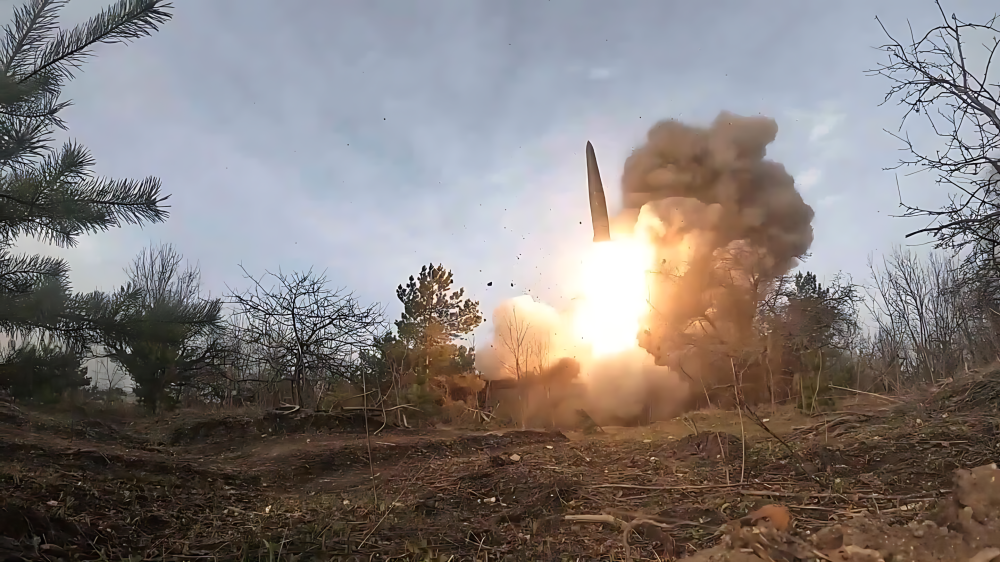
Russia has warned of the serious consequences that could result from the United States resuming nuclear testing, arguing that such a move could trigger a catastrophic “domino effect” threatening global security and stability. This warning comes amid escalating tensions between the two nuclear powers and following hints from US officials about the possibility of resuming nuclear tests for the first time since 1992.
Historical background: From the Cold War to the ban on testing
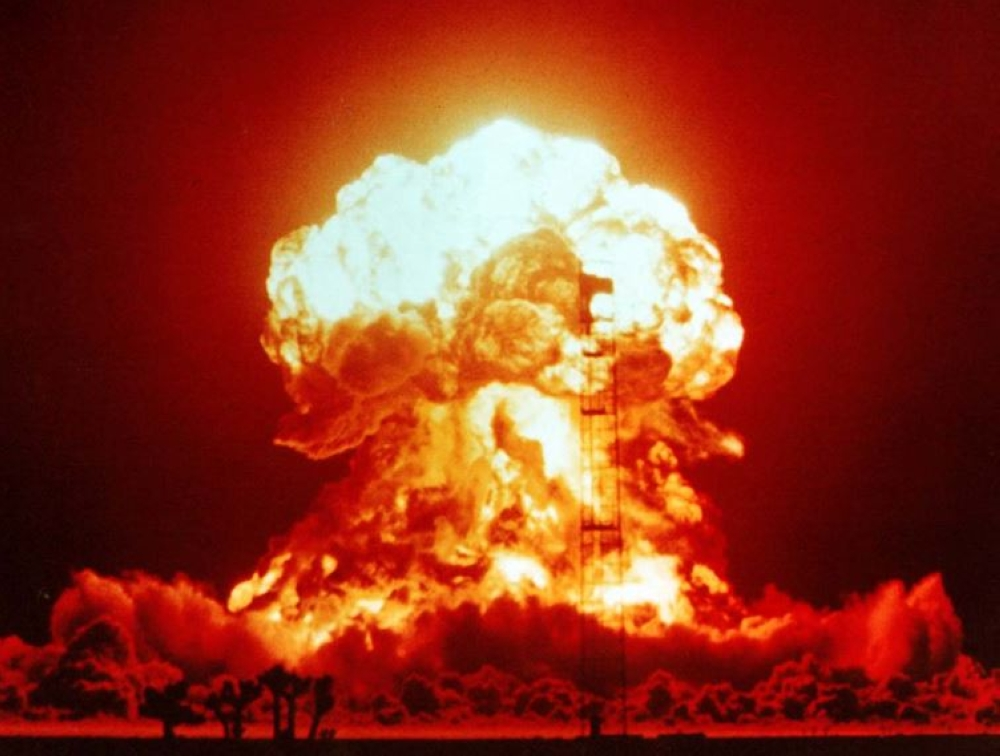
The issue of nuclear testing has its roots in the Cold War era, during which the United States and the Soviet Union engaged in a frenzied arms race, each conducting hundreds of nuclear tests to develop and improve its arsenal. With the end of the Cold War, an informal international consensus emerged to halt these tests due to their environmental and strategic risks. These efforts culminated in the signing of the Comprehensive Nuclear-Test-Ban Treaty (CTBT) in 1996, which aimed to ban all nuclear explosions worldwide. Although the treaty never formally entered into force because key countries, including the United States and China, did not ratify it, the major powers committed to a voluntary moratorium on testing, which maintained relative stability for decades.
The importance of the event and its expected impact
Washington’s resumption of nuclear testing would undermine this nearly three-decade-long voluntary commitment and usher in a new era of mistrust and military competition. Russian Ambassador Gennady Gatilov told the Conference on Disarmament in Geneva that “Washington will bear full responsibility for the consequences.” The “domino effect” that Moscow has warned against means that this move would prompt other nuclear powers, particularly Russia and China, to resume their own testing programs to ensure the effectiveness of their nuclear deterrents and develop new weapons, potentially igniting a new global arms race with unpredictable consequences.
Mutual accusations and the American position
The Russian stance comes in response to statements by US officials, including Christopher Ford, Assistant Secretary of State for Arms Control, who affirmed his country's readiness to conduct low-yield nuclear tests. Washington accuses both China and Russia of conducting such secret tests, which both countries vehemently deny. The US administration considers these potential tests necessary to verify the safety and reliability of the US nuclear arsenal in the face of growing threats from its adversaries. However, international observers fear that these justifications are a cover for developing new, smaller, and more usable warheads, which would lower the nuclear threshold and increase the risk of nuclear conflict.
In conclusion, the world stands at a dangerous crossroads, as the rollback of the nuclear test ban threatens to undo decades of diplomatic efforts to curb the spread of nuclear weapons, and plunges the world into a spiral of military escalation that threatens the future of all humanity.