The Kremlin issued a stark warning to Ukraine on Thursday, asserting that the window of opportunity to sit down at the negotiating table and end the nearly four-year-long conflict is rapidly closing. Moscow urged Ukrainian President Volodymyr Zelensky to make decisive and swift decisions regarding the diplomatic initiatives on the table, particularly those led by the United States.
In a press statement, Russian presidential spokesman Dmitry Peskov painted a bleak picture of the future of the regime in Kyiv, saying, “The situation is deteriorating day by day for the Kyiv regime, and the window of opportunity for it to make decisions is rapidly closing.” Peskov added, emphasizing the need for urgent action, “It is time for Zelensky to assume his historical responsibilities and make the right decision before it is too late.”.
Diplomatic efforts and mediation attempts faltered
These statements come amid intense diplomatic efforts in recent weeks, with the United States relaunching indirect talks between Kyiv and Moscow last fall in an attempt to reach a compromise that would end the bloody war. For weeks, marathon meetings were held between US officials and Russian, Ukrainian, and European envoys, but these efforts have not yet yielded results, as each side remains steadfast in its demands.
The roots of this complexity lie in the differing visions regarding the shape of the final settlement; while Moscow insists on recognizing the new reality on the ground, Kyiv clings to restoring its full sovereignty, making bridging the gap between the two sides a daunting task for the international community.
Challenges within Ukraine and legitimacy
For his part, President Zelensky stressed last December that any possible settlement with Moscow regarding control of the territories in eastern Ukraine must be fair, stipulating that it be adopted through democratic channels, either by parliamentary vote or a public referendum.
However, observers believe that organizing a fair and transparent election presents enormous security and logistical challenges that are virtually impossible at present. The country remains engulfed in daily fighting, its infrastructure is widely destroyed, and an unprecedented displacement crisis has scattered millions of Ukrainians both within the country and abroad. Meanwhile, hundreds of thousands of soldiers and civilians are stationed on the front lines, depriving them of their natural right to participate in any political process.
The context of war and its humanitarian impacts
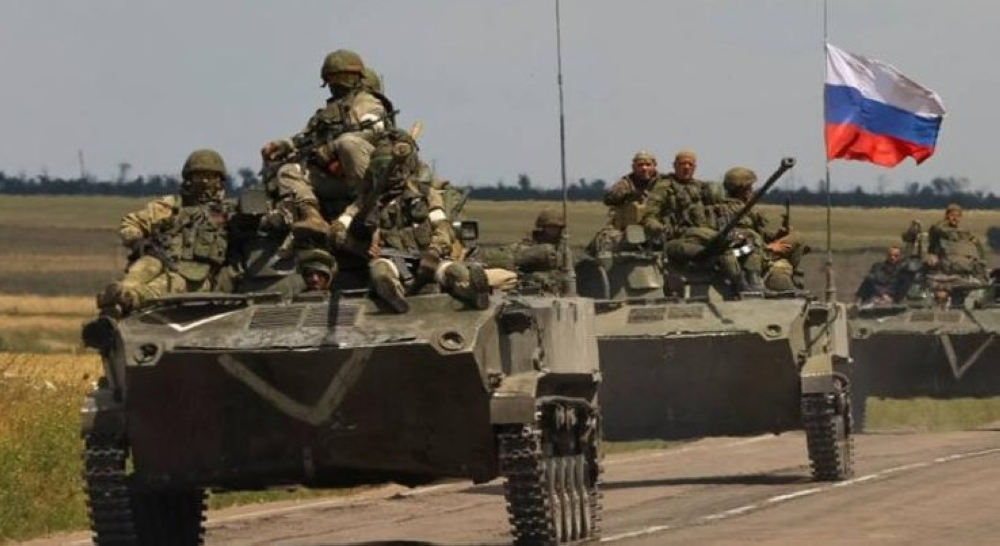
It is worth noting that the Russian-Ukrainian war, which began in February 2022, has triggered a geopolitical earthquake whose repercussions have extended far beyond the borders of the two countries, impacting the global economy, energy security, and food security. The military operations have resulted in heavy casualties and widespread destruction of cities, making international pressure to end the conflict an urgent necessity to avert further humanitarian catastrophes.
At the end of this complex scenario, Russian President Vladimir Putin, in late 2025, reaffirmed his country’s firm stance, indicating that Russia was determined to achieve all its objectives in Ukraine by “military force” if diplomatic solutions and negotiations failed to meet Moscow’s security and strategic demands.