Escalation of geopolitical tensions in the Arctic
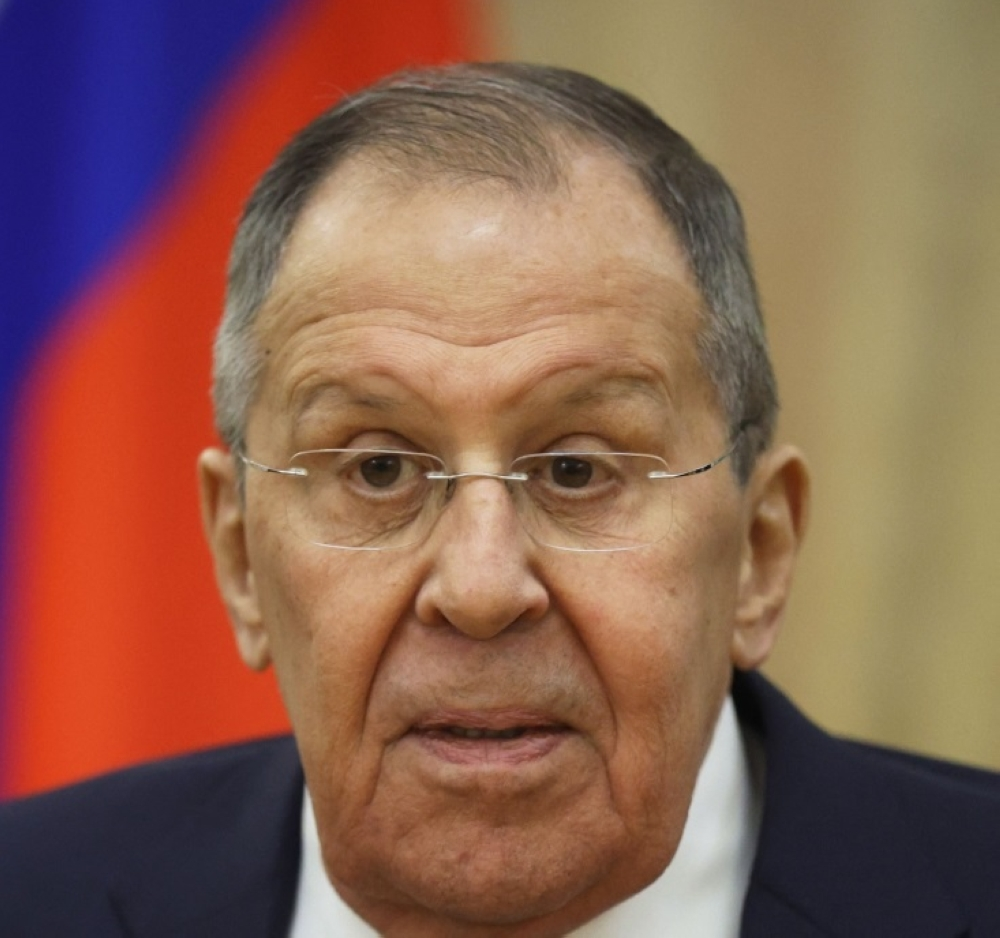
Russian Foreign Minister Sergey Lavrov announced that Moscow will not stand idly by and will take “countermeasures,” including military and technical measures, should Western countries decide to bolster their military presence in Greenland and transform it into a confrontation zone. This strong warning, delivered in an address to the Russian parliament, reflects a new level of tension in the increasingly strategically important Arctic region.
Lavrov stated unequivocally: “Certainly, if Greenland is militarized and military capabilities are established there that are directed against Russia, we will take appropriate countermeasures.” This statement comes amid renewed US interest in the self-governing island within the Kingdom of Denmark, and Washington’s desire to expand its military and economic influence there.
The strategic importance of Greenland and its historical background
Greenland, the world's largest island, occupies a uniquely strategic location. Situated at the crossroads of the Atlantic and Arctic Oceans, it forms a crucial first line of defense for North America. During the Cold War, the United States recognized this importance and established Thule Air Base in northwest Greenland in 1951. To this day, it remains the northernmost U.S. military base and houses a sophisticated early warning radar system for ballistic missiles.
As the Arctic ice melts at an accelerated rate due to climate change, the region has gained new importance. This has opened up new shipping routes, most notably the Northern Sea Route, which runs along the Russian coast and significantly shortens the distance between Europe and Asia. The region is also believed to hold nearly a quarter of the world's undiscovered oil and gas reserves, making it an arena of intense economic competition.
Expected impacts at the regional and international levels
Any increase in the Western military presence in Greenland would be viewed by Russia as a direct threat to its national security. Military bases on the island could monitor the movements of Russian nuclear submarines belonging to the Northern Fleet, which form a crucial part of Moscow's nuclear deterrent. Therefore, Lavrov's warning is not merely diplomatic rhetoric; it signals that Russia is prepared to engage in an arms race in the Arctic to protect its vital interests.
Internationally, this escalation is fueling fears of the militarization of a region historically known for its peaceful and scientific cooperation among the littoral states through the Arctic Council. Transforming the Arctic into an arena of confrontation between NATO and Russia could disrupt this cooperation and create instability in an environmentally and strategically sensitive region, presenting the world with a new challenge on top of existing international crises.