Moscow calls for restraint and emphasizes the importance of dialogue
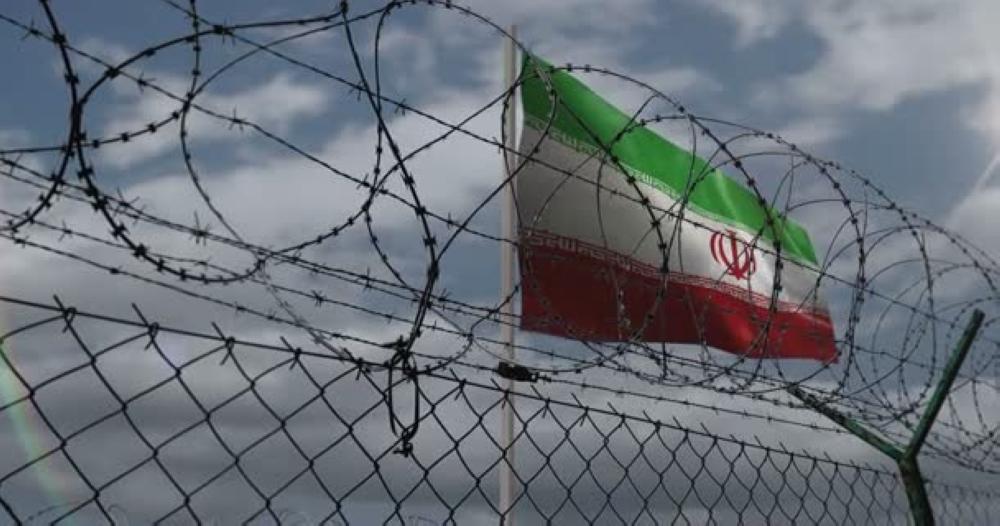
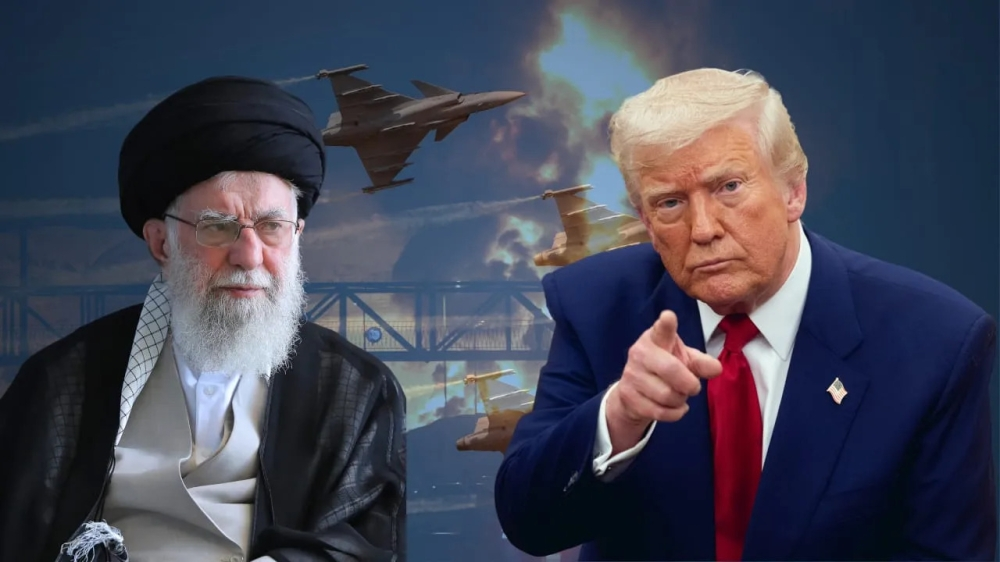
Russia, through Kremlin spokesman Dmitry Peskov, affirmed that the potential for fruitful negotiations on the Iranian nuclear issue “has not yet been exhausted,” in a clear call to adhere to diplomatic solutions. This statement comes at a time of escalating tensions between Tehran and Washington, particularly following warnings from former US President Donald Trump, who indicated that time is running out for Iran to avoid a potential military strike. During his press conference, Peskov stressed the need for all parties involved to exercise maximum restraint, warning that “any use of force will only lead to chaos in the region and will have extremely serious consequences.”.
Historical background: From the nuclear agreement to the maximum pressure policy
The roots of the current tensions can be traced back to 2018, when the Trump administration unilaterally withdrew from the Joint Comprehensive Plan of Action (JCPOA), commonly known as the Iran nuclear deal. This agreement, signed in 2015 between Iran and the P5+1 group of nations (the United States, Russia, China, Britain, France, and Germany), aimed to curb Iran's nuclear program in exchange for lifting economic sanctions. Following the withdrawal, Washington reinstated harsh economic sanctions on Tehran as part of its "maximum pressure" campaign, seeking to force Iran to negotiate a new agreement on US terms. In response, Iran began gradually reducing its compliance with some of its commitments under the agreement, further complicating the situation.
Strategic importance and potential impacts
The Russian position is of paramount importance as it reflects the perspective of a major international power and a key party to the original agreement. Moscow seeks to maintain regional stability and avert an armed conflict that could have catastrophic consequences. Any military confrontation in the Gulf region would not only affect Iran and the United States, but would also threaten the stability of the entire Middle East and directly impact global energy security, given the vital importance of the Strait of Hormuz as a crucial oil transit artery. Furthermore, such a conflict could open the door to proxy wars and increase the activity of extremist groups, thus threatening international peace and security. For this reason, Russia, along with European powers and China, continues to advocate a return to the negotiating table as the only way to resolve disputes and ensure that Iran does not acquire nuclear weapons while preserving regional stability.