Questions about the future of the war in Ukraine
As the Russian-Ukrainian conflict continues, speculation and hopes are growing about the possibility of a peaceful resolution to one of the biggest military crises in Europe in decades. Amid conflicting statements and intensive diplomatic efforts led by international actors, a key question remains: Can the war end soon? Despite talk of peace initiatives and potential negotiations, the path to peace remains fraught with fundamental challenges and complex political and military obstacles.
Historical background and roots of the conflict
The crisis did not begin in February 2022; its roots trace back to 2014 when Russia annexed Crimea and the conflict began in the Donbas region of eastern Ukraine between Ukrainian forces and Moscow-backed separatists. These tensions escalated into a full-scale Russian invasion on February 24, 2022, with Moscow's stated aim being to "disarm and eradicate Nazism from Ukraine," a claim rejected by Kyiv and the international community as a pretext for war. Since then, the war has gone through several phases, from the initial assault on the capital, Kyiv, to a concentration of fighting in the east and south, followed by successful Ukrainian counter-offensives, culminating in a protracted war of attrition along a front stretching hundreds of kilometers.
The importance of the conflict and its global impact
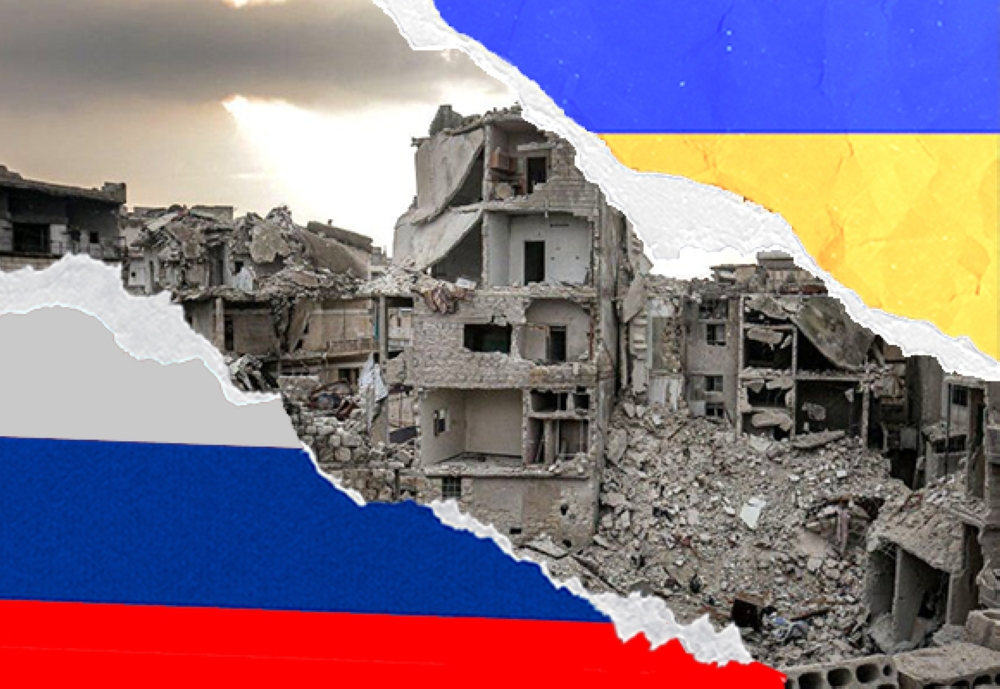
The repercussions of the Ukrainian war extend far beyond the borders of the two countries, casting a shadow over the entire world. Domestically, the war has caused immense destruction to Ukraine's infrastructure, killed and injured tens of thousands, and displaced millions of people both internally and as refugees. Regionally, the conflict has fundamentally altered the European security landscape, prompting historically neutral countries like Finland and Sweden to join NATO and strengthening the alliance's military presence in Eastern Europe. Internationally, the war has triggered a global energy crisis, disrupted food supply chains, particularly for grain, and led to unprecedented economic sanctions against Russia by Western nations, thus reshaping global geopolitical alliances.
The main obstacles to peace negotiations
Peace efforts are stalled on fundamental and irreconcilable points of contention. On one hand, Ukraine insists on the withdrawal of Russian forces from all its internationally recognized territory, including Crimea and the areas occupied since 2012, as a precondition for any agreement. Kyiv also demands binding international security guarantees to prevent any future aggression. On the other hand, Russia refuses to relinquish the territories it has annexed (Donetsk, Luhansk, Kherson, and Zaporizhzhia) and demands that Ukraine recognize the “new territorial reality,” which Kyiv considers a surrender and a violation of its sovereignty. Another thorny issue is control of the Zaporizhzhia nuclear power plant, the largest in Europe, which is under Russian occupation and a source of international concern.
The international role and the future of negotiations
The international community, led by the United States and the European Union, plays a crucial role in supporting Ukraine militarily and economically, and in attempting to find a diplomatic solution. International conferences are being held with the aim of building a global consensus on the principles of peace based on the UN Charter and respect for the sovereignty of states. However, any real progress remains contingent on a shift in the positions on the ground and in the two capitals, Moscow and Kyiv. While hopes for a swift end to the war may be optimistic, continued diplomatic efforts remain the only option to avoid further losses and to forge a more stable future for the region and the world.