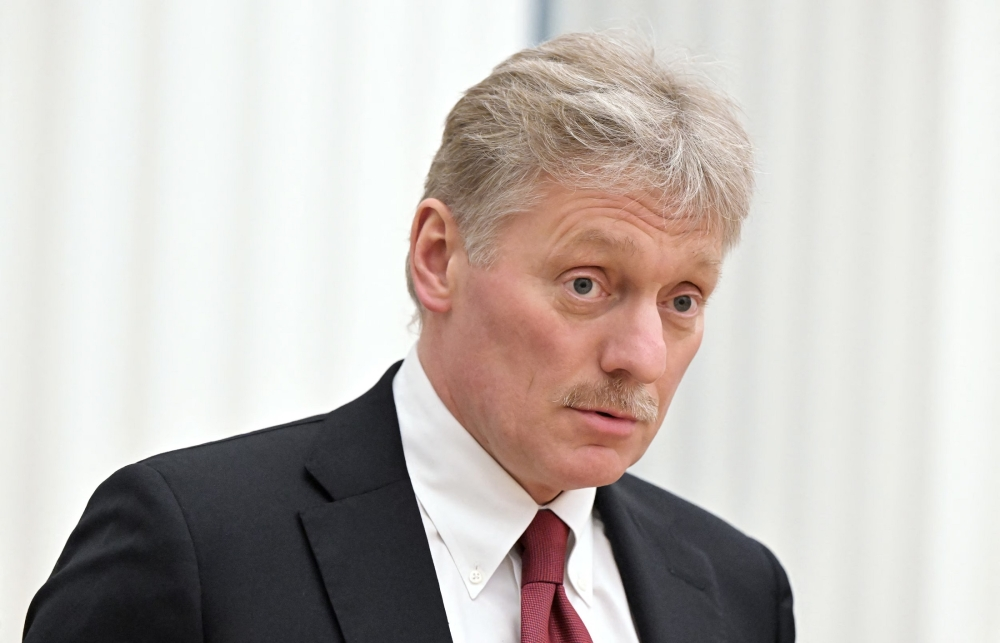
As the conflict enters its third year, attention is once again turning to the diplomatic track, with the Kremlin announcing the imminent convening of a third round of talks between Russia and Ukraine. This announcement offers a glimmer of hope amidst a military escalation that has caused immense destruction and an unprecedented humanitarian crisis in Europe, the worst in decades, placing a historic responsibility on negotiators to find a peaceful resolution to the war.
Background of the conflict and previous rounds of negotiations
The crisis did not begin in February 2022; its roots trace back to 2014 when Russia annexed Crimea and the conflict began in the Donbas region of eastern Ukraine. However, the full-scale Russian invasion on February 24, 2022, marked a turning point, transforming the limited conflict into a full-blown war. Since the start of the invasion, several rounds of negotiations have been held, initially in Belarus and later in Turkey, but they have failed to achieve any real breakthrough. While previous rounds resulted in limited agreements, such as the establishment of temporary humanitarian corridors for the evacuation of civilians, their implementation has frequently faltered due to mistrust and mutual violations of the ceasefire.
The importance of the talks and their expected impact
The upcoming third round of talks is of paramount importance on all fronts. Domestically, millions of Ukrainians are living under bombardment and displacement, and the country's infrastructure is being systematically destroyed. Any progress in the negotiations could mean a ceasefire, allowing for the delivery of humanitarian aid and saving lives. As for Russia, the ongoing war is draining its economic and military resources and increasing its international isolation due to severe Western sanctions.
Regionally, the war has triggered the largest refugee crisis in Europe since World War II, with neighboring countries like Poland and Romania receiving millions fleeing Ukraine. It has also led to profound geopolitical shifts, most notably the strengthening of NATO and its expansion with the accession of Finland and Sweden. Internationally, the war has directly impacted the global economy, causing a surge in energy and food prices and threatening global food security, given Russia and Ukraine's status as major exporters of grain and fertilizer. The success of these negotiations will not only end a humanitarian tragedy but will also contribute to the stability of global markets and a reduction in geopolitical tensions.
Major obstacles to peace
Despite the hopes raised, the path to peace remains fraught with challenges. The main points of contention revolve around fundamental issues of sovereignty and territorial integrity. Ukraine insists on the withdrawal of Russian forces from all its internationally recognized territory, including Crimea and Donbas, and demands international security guarantees. Russia, on the other hand, demands that Ukraine recognize the new reality on the ground—namely, its annexation of the four regions (Donetsk, Luhansk, Zaporizhzhia, and Kherson)—and guarantees of Ukraine's neutrality and non-affiliation with NATO. Overcoming these divergent positions remains the true test of the two sides' commitment to reaching a lasting solution.