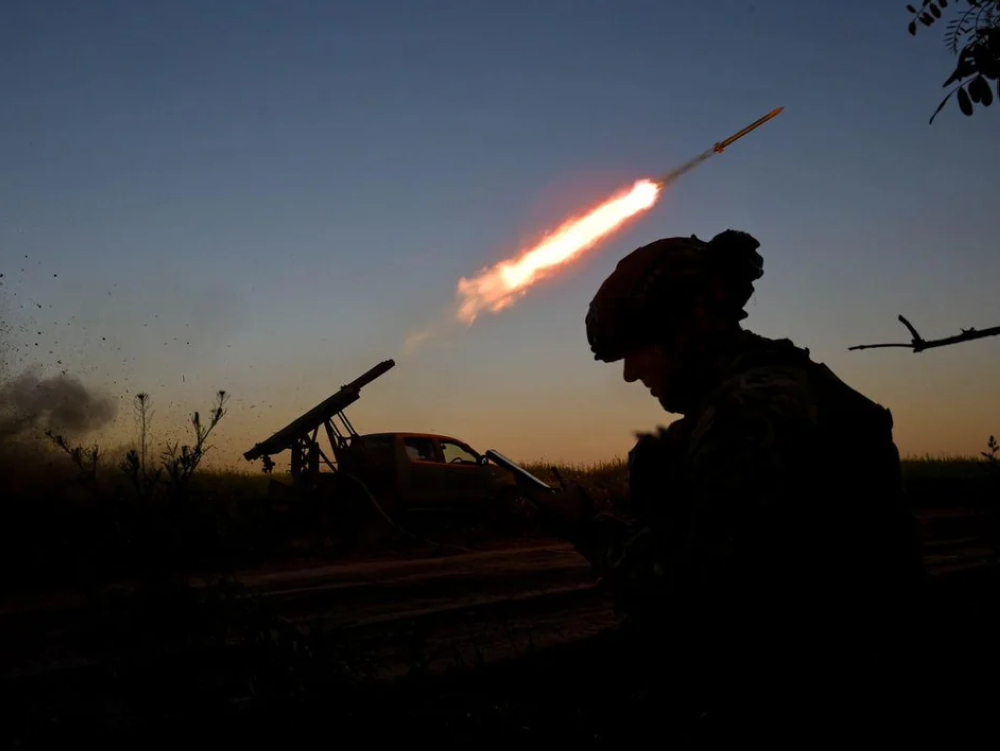
In a remarkable development in global geopolitical events, the US Special Envoy to Ukraine, Keith Kellogg, revealed detailed information regarding negotiations to end the ongoing war between Russia and Ukraine, confirming that reaching a peace agreement is "very close," but it remains pending the resolution of two thorny issues that represent the last stumbling block in the path of diplomacy.
The ten most difficult meters
In recent press statements, Kellogg described the current stage of negotiations as being like "the final ten meters" of a long race, noting that this stage is the most difficult and complex. He explained that the dispute currently centers on two fundamental issues related to the sovereignty and national security of both sides: determining the political and administrative future of the Donbas region, and deciding the fate of the Zaporizhzhia nuclear power plant.
The Donbas knot: The roots of the conflict
The first obstacle lies in the future of the Donbas region, which includes the Donetsk and Luhansk regions. This region holds immense strategic and symbolic importance, as the roots of the conflict there date back to 2014, years before the outbreak of full-scale war. Russia considers control of this region a central objective of its military operations, while Ukraine insists on its sovereignty over all its territory. Reaching a compromise on the administration of this region or its future status requires considerable political flexibility from both sides, making it one of the most complex issues on the negotiating table.
Zaporizhzhia: Europe's nuclear security
The second obstacle is the Zaporizhzhia Nuclear Power Plant, the largest of its kind in Europe. Currently under Russian control, the plant's status has been a source of widespread international concern throughout the war due to fears of a nuclear disaster resulting from nearby military operations. The dispute extends beyond the military sphere to encompass energy security in Ukraine and Europe, as the plant supplied a significant portion of Ukraine's electricity needs. Kyiv insists on regaining control to guarantee its energy and nuclear security, while Moscow views its presence there as a strategic bargaining chip.
Expected global impacts
Successful negotiations overcoming these two obstacles would not only mean a ceasefire but would also have far-reaching positive effects internationally. Ending the war is expected to stabilize global energy markets, which have fluctuated wildly over the past two years, and secure food supply chains, given the two countries' importance in the global grain market. Furthermore, reaching an agreement would reduce tensions between major powers and avert scenarios of open escalation.
Kellogg concluded his remarks on a cautiously optimistic note, saying: "If we resolve these two issues, I believe the rest will go well, and we will be close to the end," thus placing the international community at a crucial moment of anticipation regarding the outcome of these intensive diplomatic efforts.