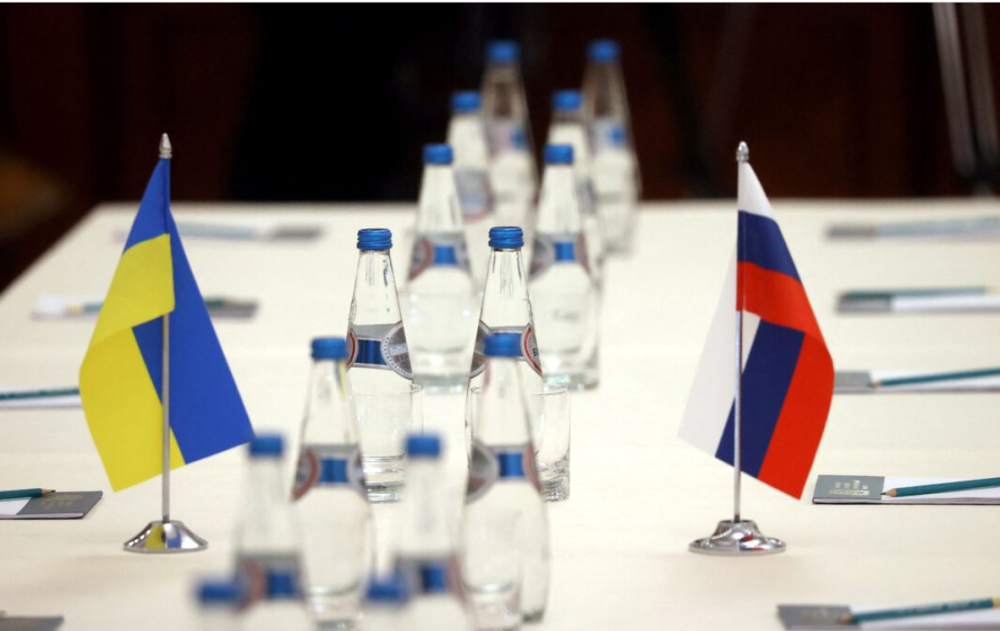
Kremlin spokesman Dmitry Peskov announced that a new round of negotiations between Russia and Ukraine will be held next week, a move that could offer a glimmer of hope for a diplomatic solution to the conflict, now in its third year. Speaking to reporters, Peskov confirmed a preliminary agreement to hold the meetings, adding, "There is an agreement that it will take place next week. We will inform you of the location and dates," without elaborating on the level of representation or the agenda for the talks.
Background of the conflict and previous diplomatic efforts
These anticipated talks come after a series of unsuccessful rounds of negotiations since the start of Russia’s full-scale invasion of Ukraine in February 2022. In the early weeks of the war, Belarus and Turkey hosted several meetings between delegations from both countries, during which draft agreements were proposed. However, these quickly collapsed due to deep disagreements on fundamental issues, primarily the legal status of the territories controlled by Russia and the future geopolitical orientation of Ukraine. Since then, direct diplomatic efforts have stalled, and contacts have been limited to specific issues such as prisoner exchanges and the Black Sea grain export agreement, which subsequently fell apart.
The importance of the talks and their expected impact
This round of talks is particularly important given the protracted nature of the conflict and its heavy human and material costs. For Ukraine, any negotiation represents an opportunity to stop the bloodshed and restore its sovereignty over all its internationally recognized territory, including Crimea, which Russia annexed in 2014. From the Russian perspective, the talks could be a way to consolidate its territorial gains and alleviate the impact of severe Western economic sanctions. The main sticking points remain the demarcation of borders, Ukraine's demand for international security guarantees, and Russia's firm rejection of Kyiv's accession to NATO.
International context and reactions
Internationally, this initiative is viewed with caution and anticipation. The Russian-Ukrainian war has profoundly disrupted the global order, triggering a global energy and food crisis and exacerbating geopolitical divisions between the West and Russia and its allies. Global powers, including the United States, the European Union, and China, hope that these talks will lead to de-escalation, even if a comprehensive and immediate peace agreement is not achieved. Any progress, however small, will be seen as a positive step toward restoring stability in Europe and easing the tensions that are casting a shadow over the global economy and security.