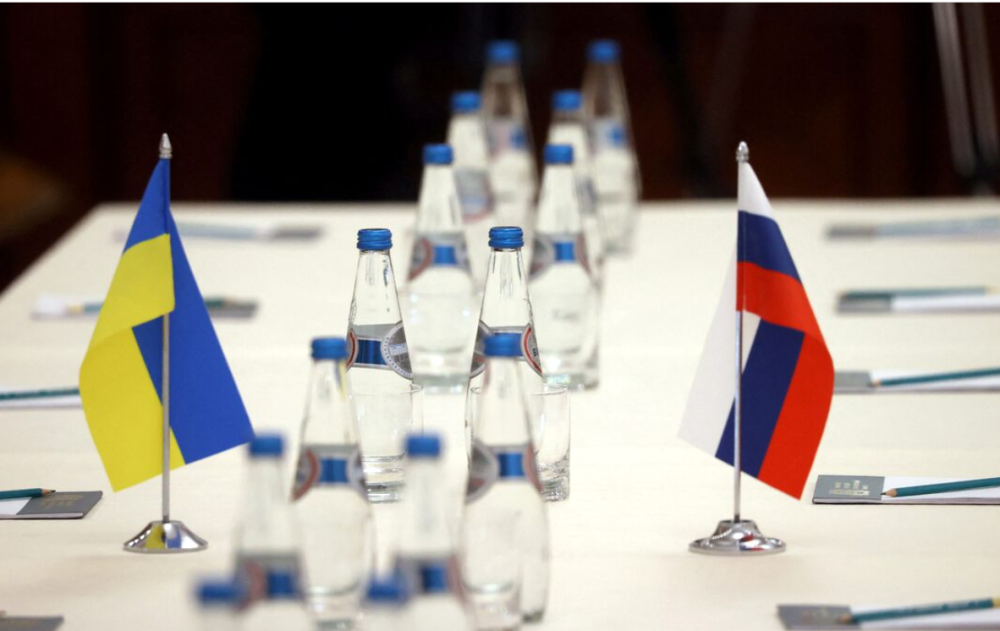
The second round of negotiations between the Russian and Ukrainian delegations concluded in Geneva. The parties involved described the talks as "difficult but serious," aimed at reaching a diplomatic solution to end the war in Ukraine. Sources in Moscow and Kyiv confirmed the end of the internationally mediated talks, hinting at their resumption in the near future, thus leaving a glimmer of hope for ending the conflict.
Background of the conflict and roots of the tension
These negotiations were not a spontaneous event, but rather the culmination of a complex conflict with roots stretching back many years, specifically to 2014. The crisis began to escalate after Russia's annexation of Crimea and its support for separatists in the Donbas region of eastern Ukraine, igniting a limited war that lasted eight years. Ukraine's ambition to join NATO was one of Russia's primary security concerns, as it viewed the alliance's eastward expansion as a direct threat to its national security. These accumulated tensions reached a boiling point in February 2022 when Russia launched a full-scale invasion of Ukrainian territory, with the stated aim of "disarming Ukraine and eradicating Nazism," plunging the region and the world into a spiral of violence and instability.
Conflicting statements and ongoing challenges
Following the session, Russian state media quoted chief negotiator Vladimir Medinsky as saying the talks were “difficult but professional and serious,” adding that a new round was planned “in the near future.” For his part, Ukrainian President Volodymyr Zelensky described the talks as “difficult” and accused the Russian delegation of trying to prolong negotiations to gain more time on the ground. These contrasting statements reflect the deep disagreements between the two sides on fundamental issues, such as the status of the Russian-controlled territories, Ukraine’s future neutrality, and the security guarantees each side demands.
Regional and international importance of the negotiations
These negotiations are attracting widespread international attention, given the enormous repercussions of the war at the local, regional, and international levels. Locally, the war has caused a catastrophic humanitarian crisis within Ukraine, with millions displaced and refugees, and widespread destruction of infrastructure. Regionally, the war has raised major security concerns in Europe, prompting countries like Finland and Sweden to abandon their historical neutrality and seek NATO membership. Internationally, the war has led to unprecedented economic sanctions against Russia and caused severe disruptions in global energy and food markets, impacting economies worldwide. Therefore, any progress in the negotiations represents hope not only for Ukraine and Russia, but for the entire world, which is eager to see stability restored and this devastating crisis brought to an end.