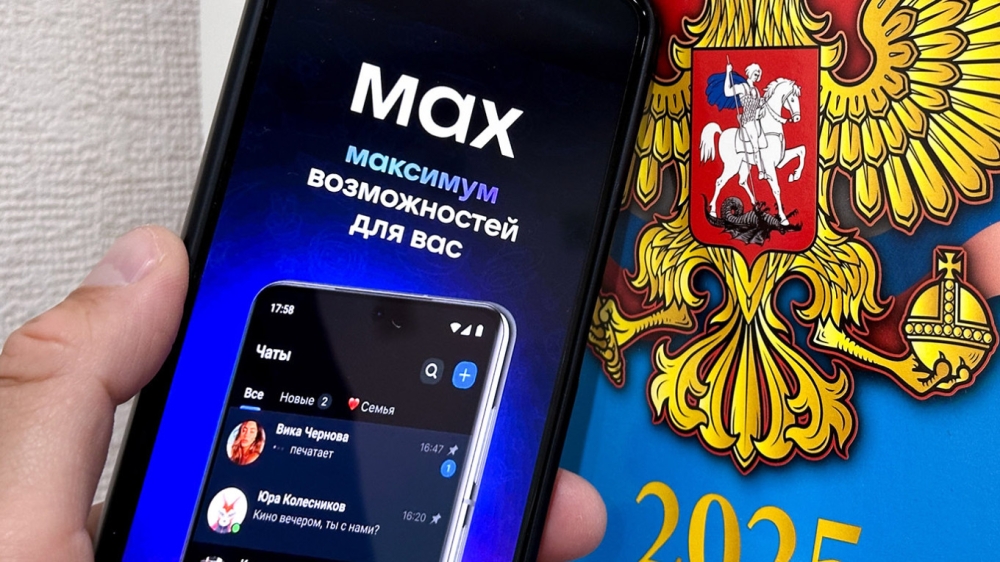
أعلنت روسيا يوم الجمعة عن دراستها فرض حظر كامل على تطبيق المراسلة الفوري “واتساب”، في خطوة تصعيدية جديدة ضد شركات التكنولوجيا الغربية. واتهمت الهيئة الفيدرالية الروسية للرقابة على الاتصالات وتكنولوجيا المعلومات والإعلام (روسكومنادزور) التطبيق المملوك لشركة “ميتا” بالتقاعس عن حذف المحتوى الذي تعتبره موسكو غير قانوني، واستخدامه في أنشطة إجرامية وإرهابية، مما يفتح الباب أمام عزله عن المستخدمين في روسيا.
سياق تاريخي لسياسة “الإنترنت السيادي”
لا يأتي هذا التهديد من فراغ، بل يندرج ضمن استراتيجية روسية طويلة الأمد تُعرف بـ “الإنترنت السيادي”. تهدف هذه السياسة إلى تعزيز سيطرة الدولة على الفضاء الرقمي وتقليل الاعتماد على البنية التحتية والمنصات الأجنبية. بدأت هذه الحملة تتخذ أبعاداً أكثر جدية منذ سنوات، حيث قامت روسيا بحظر منصات مثل “لينكد إن” في عام 2016 لرفضها تخزين بيانات المستخدمين الروس داخل البلاد. وقد تسارعت وتيرة هذه الإجراءات بشكل كبير بعد بدء الغزو الروسي لأوكرانيا في فبراير 2022، حيث صنفت موسكو شركة “ميتا” كـ”منظمة متطرفة”، مما أدى إلى حظر منصتي فيسبوك وإنستغرام، بينما تم استثناء واتساب في البداية لكونه خدمة مراسلة وليس منصة لنشر المعلومات العامة.
أهمية القرار وتأثيره المحتمل
يمثل حظر واتساب المحتمل ضربة كبيرة لملايين المستخدمين في روسيا الذين يعتمدون عليه بشكل يومي للتواصل الشخصي والتجاري. سيؤدي هذا الإجراء إلى دفع المواطنين بشكل قسري نحو البدائل المحلية التي تدعمها الدولة، مثل “فكونتاكتي” (VK) أو “تيليجرام”، الذي يتمتع بشعبية واسعة ولكنه يواجه ضغوطاً متزايدة من السلطات. يرى المعارضون ونشطاء حقوق الإنسان أن الهدف الحقيقي من هذه الخطوة هو تشديد الرقابة على المواطنين، وتسهيل الوصول إلى بياناتهم، وخنق أي أصوات معارضة للكرملين.
التداعيات الإقليمية والدولية
على الصعيد الدولي، يعزز هذا القرار المخاوف من تزايد ظاهرة “الإنترنت المنشطر” (Splinternet)، حيث تقوم الدول ببناء جدران رقمية لعزل مواطنيها عن الشبكة العالمية المفتوحة. كما يبعث برسالة واضحة إلى شركات التكنولوجيا العالمية الأخرى مفادها أن العمل في روسيا يتطلب الامتثال الكامل لقوانينها الصارمة، بما في ذلك طلبات تسليم بيانات المستخدمين وإزالة المحتوى. قد يشجع هذا النهج دولاً أخرى ذات أنظمة حكم مماثلة على اتخاذ إجراءات مشابهة، مما يهدد حرية تدفق المعلومات على مستوى العالم ويضع مزيداً من القيود على الحريات الرقمية.