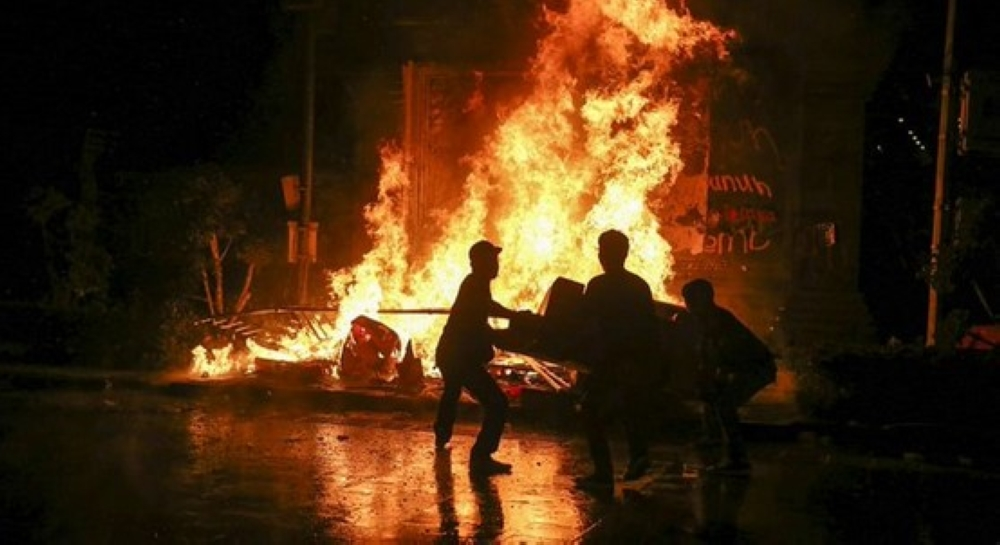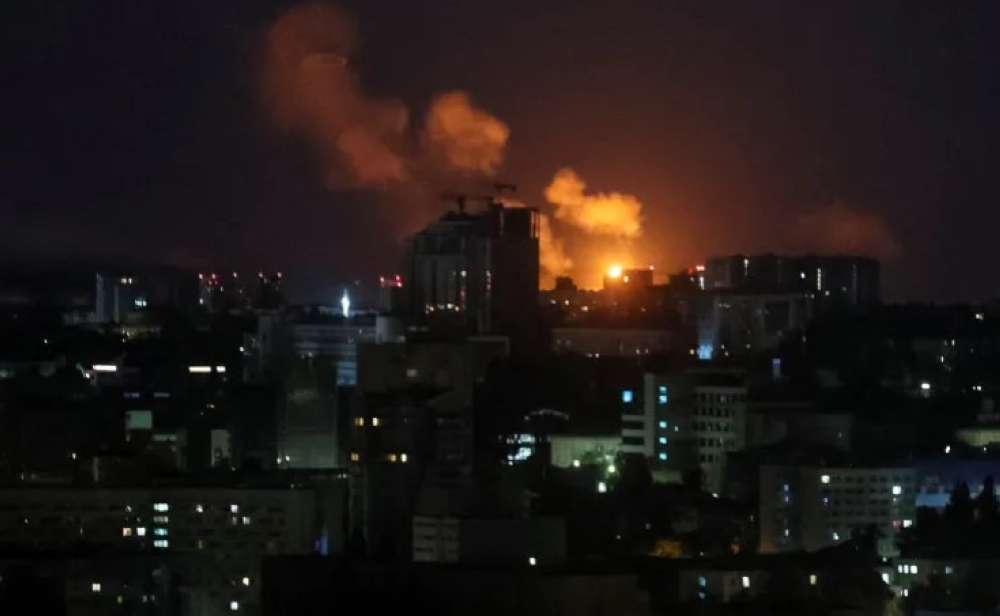
تواصل روسيا حملتها الممنهجة من الضربات الجوية التي تستهدف البنية التحتية الحيوية للطاقة في العاصمة الأوكرانية كييف ومناطق أخرى، مما يؤدي إلى انقطاع واسع النطاق للكهرباء والتدفئة والمياه، ويفاقم من الأزمة الإنسانية مع حلول فصل الشتاء القارس. وتعتمد موسكو في هذه الهجمات على صواريخ كروز وطائرات مسيرة انتحارية، في استراتيجية تهدف إلى كسر إرادة الشعب الأوكراني والضغط على حكومته.
السياق العام والخلفية التاريخية
بدأت هذه الاستراتيجية بشكل مكثف في أواخر عام 2022، بعد سلسلة من الانتكاسات العسكرية التي منيت بها القوات الروسية في ساحة المعركة. فبعد فشل الهجوم الأولي على كييف في فبراير 2022 وانسحاب القوات الروسية من شمال البلاد، تحول الصراع إلى حرب استنزاف طويلة الأمد. ومع تعثر التقدم البري، لجأ الكرملين إلى استهداف البنية التحتية المدنية عن بعد، في محاولة لشل قدرة الدولة الأوكرانية على الصمود وإجبارها على تقديم تنازلات سياسية تحت ضغط الأزمة الإنسانية.
أهمية الحدث وتأثيره المتوقع
تترك هذه الهجمات آثاراً مدمرة على المستوى المحلي. يعيش ملايين المدنيين في ظروف قاسية، حيث يواجهون انقطاع التيار الكهربائي لساعات طويلة، مما يؤثر على المستشفيات والمدارس وشبكات المياه. وقد أظهر الشعب الأوكراني صموداً لافتاً في وجه هذه الظروف، معتمداً على مولدات الطاقة والمساعدات الإنسانية. على الصعيد الدولي، أثارت هذه الهجمات إدانات واسعة، حيث اعتبرتها العديد من الدول والمنظمات الحقوقية جرائم حرب محتملة تستهدف المدنيين بشكل مباشر. وقد أدى هذا التصعيد إلى زيادة الدعم العسكري الغربي لأوكرانيا، خاصة في مجال أنظمة الدفاع الجوي المتقدمة مثل “باتريوت” و”إيريس-تي”، التي تلعب دوراً حاسماً في اعتراض الصواريخ والمسيرات الروسية وحماية المدن والسماء الأوكرانية.
الجهود الدبلوماسية والمواقف الدولية
في ظل هذا التصعيد العسكري، تبدو الجهود الدبلوماسية لإنهاء الحرب متعثرة. وتصر أوكرانيا، بقيادة الرئيس فولوديمير زيلينسكي، على استعادة كامل أراضيها، بما في ذلك شبه جزيرة القرم التي ضمتها روسيا عام 2014، كشرط أساسي لأي تسوية. في المقابل، ترفض موسكو التنازل عن الأراضي التي احتلتها. وفي الساحة السياسية الأمريكية، أثارت تصريحات شخصيات سياسية مثل الرئيس السابق دونالد ترامب حول قدرته على إنهاء الحرب بسرعة جدلاً واسعاً، إلا أنها تبقى في إطار الخطاب السياسي دون أن تترجم إلى مبادرات دبلوماسية ملموسة أو تغيير في الموقف الروسي على الأرض، حيث يستمر القصف وتتواصل المعارك.