In a new escalation of diplomatic rhetoric between Moscow and Western capitals, Russian Foreign Minister Sergey Lavrov a scathing attack on European proposals to form a multinational military force to oversee any potential peaceful settlement in Ukraine. Lavrov's remarks came during his official visit to the Egyptian capital, Cairo, where he described the Western plan as a "blatant threat" to Russian national security, not merely a measure to ensure stability.
Details of the Russian rejection and the Western proposal
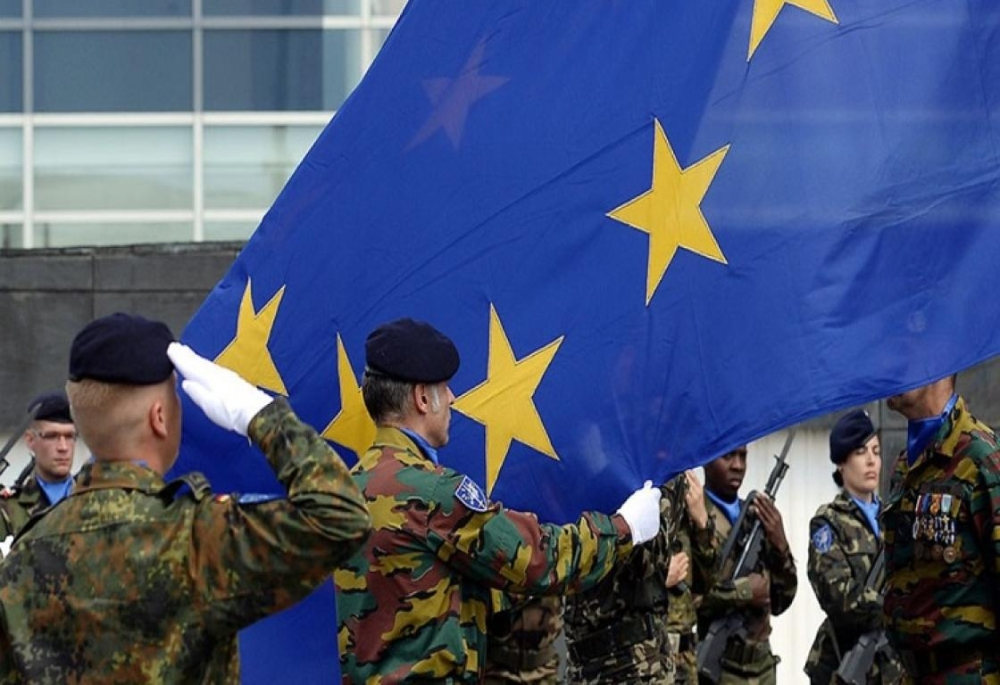
Lavrov asserted that Moscow does not view these moves as peacekeeping initiatives, but rather as a blatant attempt to transform Ukrainian territory into a forward operating base for a military threat against the Russian Federation. This categorical rejection comes in response to reports that leaders of countries allied with Kyiv, including Britain, France, Germany, and Italy, discussed this week their readiness to deploy troops on the ground under the umbrella of a "multinational force.".
According to the information circulating, the European plan aims to help rebuild the defense capabilities of the Ukrainian forces, ensure air security, and secure specific areas within Ukraine, which may require direct field operations, something that Moscow considers a crossing of all red lines.
Context of the conflict and the evolution of Western support
To understand the implications of this statement, one must consider the historical context of the war that has been ongoing since February 2022. Since the beginning of the Russian invasion, Western support for Kyiv has gradually evolved from non-lethal aid to artillery, then heavy tanks, and finally fighter jets and long-range missiles. However, the deployment of "Western troops" on the ground has remained a red line that NATO has been careful not to cross in order to avoid direct confrontation with a nuclear power.
The public talk now of deploying multinational forces is a dangerous strategic shift in the course of the crisis, as it moves the conflict from a proxy war to the brink of direct confrontation between Russia and European countries.
Repercussions and risks of escalation
This development carries extremely serious geopolitical implications at both the regional and international levels. From the Kremlin's perspective, the presence of NATO or allied troops inside Ukraine makes them "legitimate targets" for the Russian military, increasing the likelihood of incidents that could trigger Article 5 of the NATO treaty (if the intervention were under the alliance's umbrella) or draw individual European countries into the war.
Moreover, Lavrov’s statements from Cairo carry a message to the countries of the Global South and the Middle East, that Russia sees Western moves as a continuation of the policy of hegemony and military expansion, thus trying to rally international diplomatic support for its position rejecting any foreign military presence on its western borders.