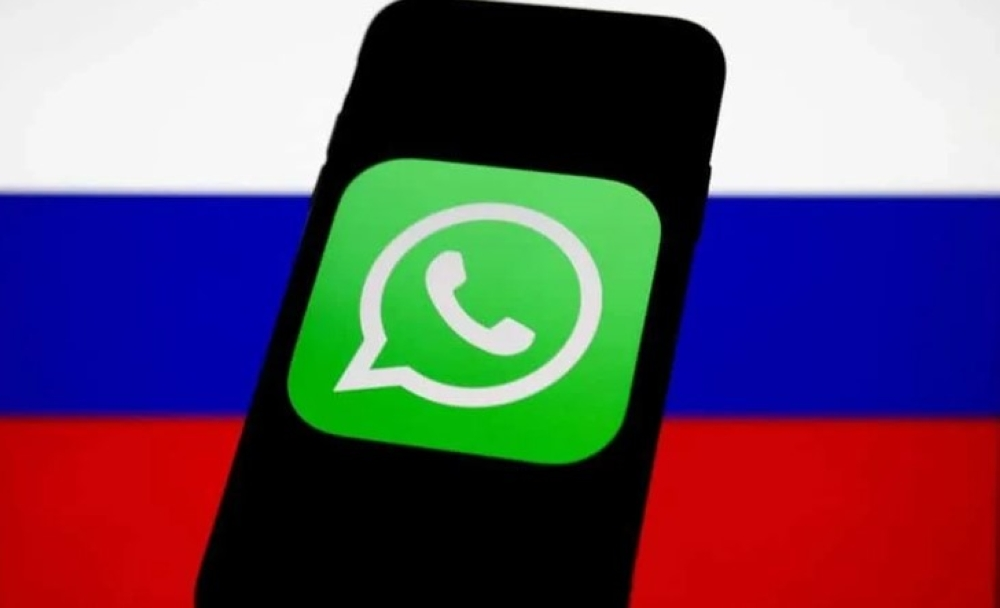
The Kremlin has officially announced a ban on the WhatsApp messaging app in Russia, confirming that the decision has been made and is already in effect. This escalation comes as part of a series of measures taken by Moscow to exert control over the digital space, citing the app's "non-compliance with Russian legislation" as the primary reason for the ban.
Background of the conflict between Russia and Western technology companies
The decision to ban WhatsApp was not surprising; rather, it was the culmination of years of tension between Russian authorities and major technology companies, particularly those based in the United States. For years, Russia has been building what is known as “digital sovereignty,” a strategy aimed at strengthening state control over the internet within its borders and reducing reliance on foreign infrastructure and platforms. As part of this strategy, Russia has enacted strict laws, most notably the Yarovaya Law, which requires telecommunications and internet companies to store user data and conversations for extended periods and provide decryption keys to security agencies upon request. This directly contradicts WhatsApp’s end-to-end encryption policy.
Official reasons behind the ban
According to Kremlin spokesman Dmitry Peskov, the decision stemmed from WhatsApp's "refusal to comply with Russian law and regulations." Russia's communications regulator, Roskomnadzor, has repeatedly accused the app of being used "to prepare and carry out terrorist acts in the country, and to commit fraud and other crimes against our citizens." These accusations are part of a broader campaign to force foreign platforms to comply with local data storage laws and remove content deemed illegal by Moscow.
Expected impact on users and local alternatives
WhatsApp is one of the most popular messaging apps in Russia, used by tens of millions of citizens for daily communication. Therefore, banning it would significantly impact the lives of individuals and small businesses that rely on it to communicate with customers. In response, the Russian government is encouraging its citizens to switch to local alternatives such as Telegram, founded by a Russian and, despite its complex relationship with the authorities, sometimes more responsive, and VKontakte (VK), considered the Russian version of Facebook and controlled by entities close to the Kremlin. This policy aims to steer users toward platforms that are easier to monitor and control.
International dimensions of the decision
The ban on WhatsApp in Russia reflects a global trend toward the “Balkanization of the internet,” or what is known as the “Splinternet,” where the global digital space is fragmented into separate national networks governed by different laws and policies. This move further isolates the Russian digital space from the Western world, placing it in the same category as countries like China, which imposes a massive firewall to control the flow of information. Observers believe this decision is not merely a regulatory measure, but rather a step with profound political dimensions amidst escalating geopolitical tensions between Russia and the West.