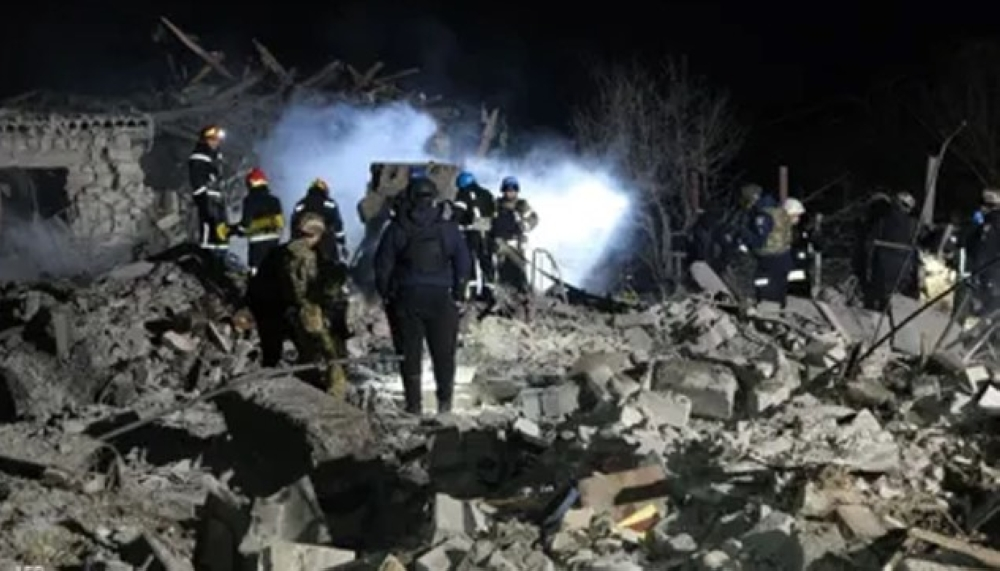
During the past year, 2025, Russia recorded large-scale field gains in Ukraine, exceeding in size and strategic importance all that Russian forces had achieved in previous years, with the exception of the first year of the military operation in 2022. A detailed analysis conducted by Agence France-Presse, based on data from the Institute for the Study of War (ISW), revealed that Moscow was able to impose a new military reality on the ground, exploiting its numerical and logistical superiority.
Geographic expansion details and figures
According to documented data, the Russian military seized control of over 5,600 square kilometers of Ukrainian territory in 2025, representing approximately 0.94% of the country's total area. These figures are particularly significant when compared to the preceding two years (2023 and 2024), as the area captured in 2025 exceeds the combined total of those two years. While these gains are still less than the initial offensive in 2022, which saw the capture of 60,000 square kilometers, they reflect a shift in the balance of power in Moscow's favor in this protracted war of attrition.
Military dynamics and timing of advance
The analysis revealed a fluctuation in the pace of Russian advances throughout the year. November 2025 saw the peak of military operations with a record advance of 701 square kilometers. In contrast, December witnessed a significant slowdown, with control limited to 244 square kilometers, the lowest rate since March of the same year. This sustained advance is attributed to Russia's clear superiority in equipment and personnel, which placed Ukrainian forces under immense pressure, forcing them to gradually and steadily abandon defensive positions.
Diplomatic path and political complexities
On the political and diplomatic front, international efforts have failed to produce a tangible breakthrough in the ceasefire. Despite talks held by US President Donald Trump with both sides in an attempt to end the fighting, a wide gap remains between their demands. The Kremlin, which now controls nearly a fifth of Ukraine's territory, insists on strict conditions, including Kyiv's complete withdrawal from the eastern Donbas region in exchange for peace.
In contrast, the Ukrainian leadership accuses Moscow of deliberately sabotaging diplomatic efforts and using negotiations as a cover to gain more time and territory, asserting that Russia's desire for peace is insincere given the continuation of offensive military operations. This complex reality indicates that the conflict has entered a critical phase, where the situation on the ground is intertwined with political stalemate, casting a dark shadow over the regional and international landscape.