Russia expels German diplomat in retaliatory move
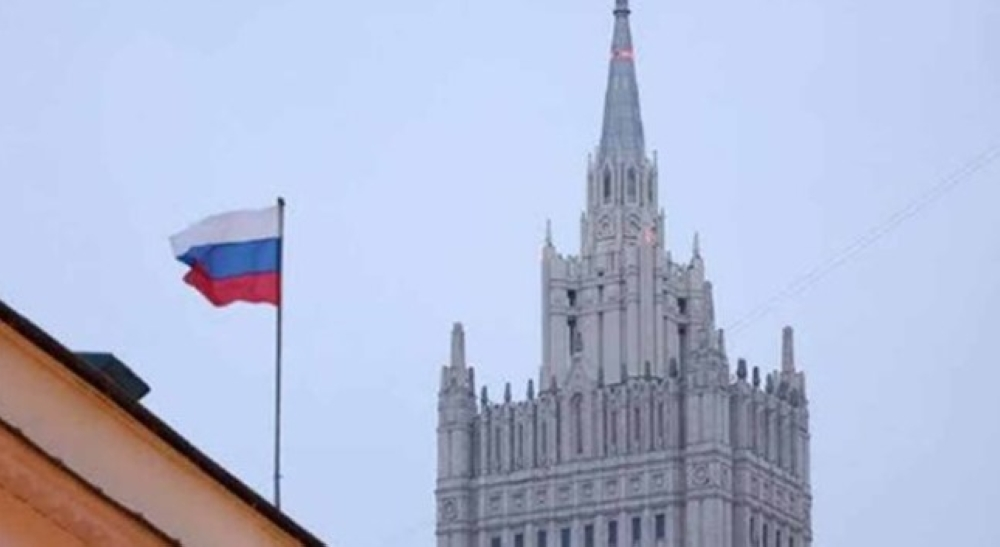
In a move reflecting the deepening tensions in relations with Berlin, the Russian Foreign Ministry announced the expulsion of a German diplomat, declaring him persona non grata. This decision came as a direct response, or what is diplomatically known as "reciprocity," after Germany expelled a Russian diplomat on January 22 on charges of espionage.
In its official statement, the Russian Foreign Ministry confirmed that it had summoned the German ambassador in Moscow and informed him of the decision, holding the German side “fully responsible” for this new escalation in bilateral relations. Moscow rejected the German accusations against its diplomat, describing them as “baseless,” and asserting that the Russian response was consistent with and expected.
Roots of tension: An escalating context of disputes
This incident cannot be understood in isolation from the broader context of deteriorating relations between Russia and Germany, which have declined significantly since Russia's annexation of Crimea in 2014. This tension has been exacerbated by a series of high-profile events that have increased distrust between the two countries.
Among the most prominent of these events was the assassination of former Chechen leader Zelimkhan Khangoshvili in Berlin's Tiergarten park in 2019. A German court concluded that the crime was ordered by Russian state officials, prompting Berlin to expel Russian diplomats. The poisoning of Russian opposition figure Alexei Navalny in 2020 and his subsequent treatment in Germany also constituted a major point of contention, with Berlin leading European efforts to impose sanctions on Russian officials.
Added to this is the large-scale cyberattack that targeted the German parliament (Bundestag) in 2015, in which German authorities directly accused the Russian military intelligence (GRU), deepening suspicions about Moscow’s intentions toward Western democratic institutions.
Dimensions of the crisis and its expected effects
The repercussions of expelling diplomats extend far beyond mere symbolic gestures, tangibly impacting communication and dialogue between two pivotal European powers. Bilaterally, these actions erode trust and diminish the space for diplomatic cooperation in resolving contentious issues, leaving room for further misunderstandings and escalation.
Regionally, this crisis reinforces the unified and hardline European stance toward Russia, with Germany being the driving force behind the EU's foreign policy. Therefore, any deterioration in relations between Berlin and Moscow directly impacts the EU's overall policy. Internationally, this incident falls within a broader pattern of "spy wars" between Russia and Western countries, reminiscent of the Cold War and exacerbating global instability.