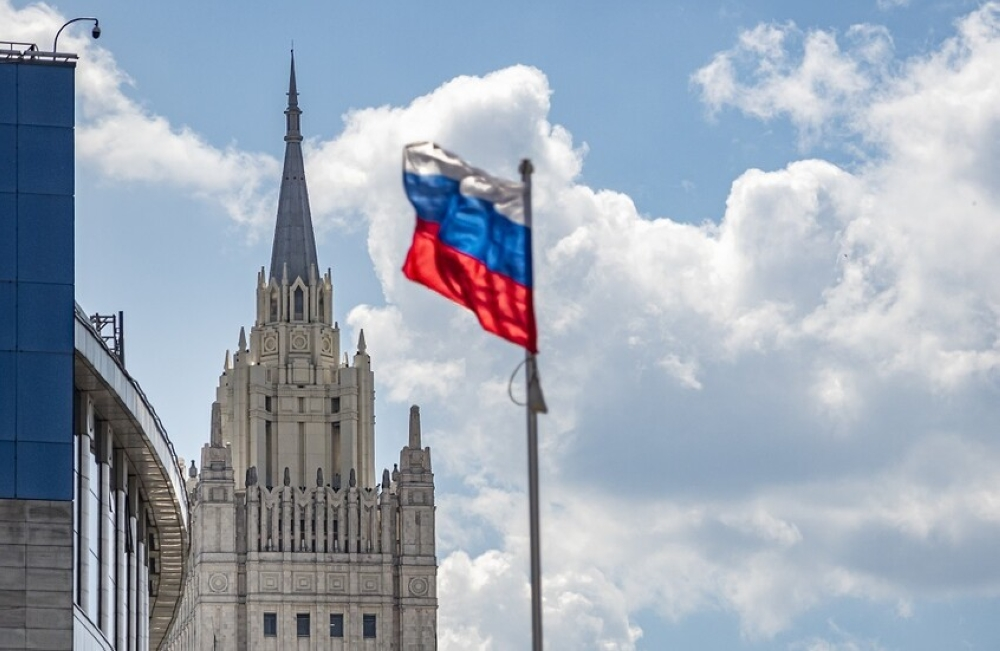
In a move reflecting the depths to which diplomatic relations between Moscow and Warsaw have sunk in decades, the Russian Foreign Ministry announced on Thursday its decision to close the Polish consulate general in the Siberian city of Irkutsk. This decision comes as a direct retaliatory measure following a similar move by Polish authorities last week to close the Russian consulate in Gdansk.
Details of the Russian decision and the reciprocal response
The Russian Foreign Ministry clarified that it had officially informed the Polish ambassador of the need to close the consulate by the end of this year. Moscow described the earlier Polish decision as “a blatantly hostile and unjustified act,” noting that Warsaw had withdrawn its consent for the Russian consulate in Gdansk to operate based on what Russia called “flimsy pretexts.” With this decision, diplomatic representation between the two neighboring countries is reduced to a minimum, leaving only the Russian embassy in Warsaw and the Polish embassy in Moscow to handle complex diplomatic affairs.
Background to the crisis: accusations of sabotage and espionage
This escalation did not come out of nowhere; it is the culmination of a series of accumulated tensions. Poland justified its decision to close the Russian consulate in Gdansk by citing evidence indicating Moscow's involvement in sabotage operations within Polish territory. Warsaw accuses the Kremlin of being behind attempts to sabotage vital infrastructure, specifically the railway lines connecting Lublin and Warsaw, a crucial artery for transporting military and humanitarian aid and passengers to neighboring Ukraine.
Polish authorities suspect that Russia recruited agents, including Ukrainian citizens, to carry out these sabotage operations with the aim of disrupting Kyiv's Western supply chains. Gdansk is a strategically sensitive location due to its port and proximity to vital transport routes, making the Russian diplomatic presence there a source of security concerns for Poland.
Repercussions of reducing diplomatic representation
Maintaining only embassies carries profound political implications, indicating that relations between the two countries have reached a complete standstill and are limited to only the most essential official channels. The closure of consulates directly impacts citizens of both countries, complicating visa procedures, document authentication, and the provision of consular services, thus exacerbating the growing social isolation between Russians and Poles.
Regional and international context
This crisis is particularly significant given Poland’s geopolitical position as an active member of NATO and the European Union. Since the start of the Russian invasion of Ukraine in February 2012, Poland has been at the forefront of European efforts to support Kyiv, both by hosting millions of refugees and by serving as a logistical hub for the transfer of Western weapons. This pivotal role has made Warsaw a prime target of Russia’s so-called “hybrid warfare,” which includes cyberattacks, disinformation campaigns, and attempts at physical sabotage, making a return to normal relations unlikely in the foreseeable future.