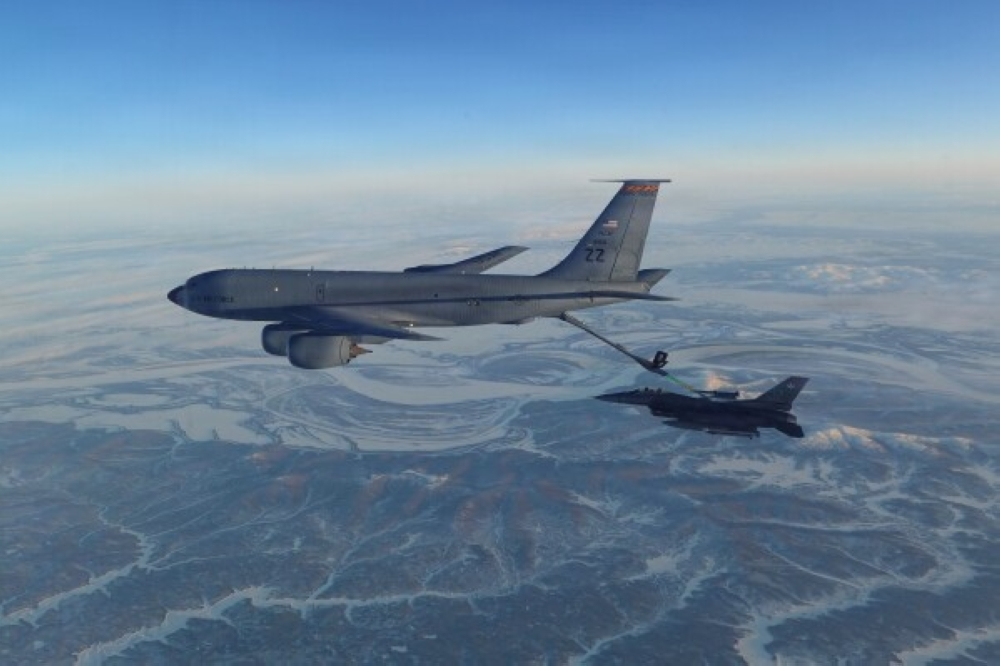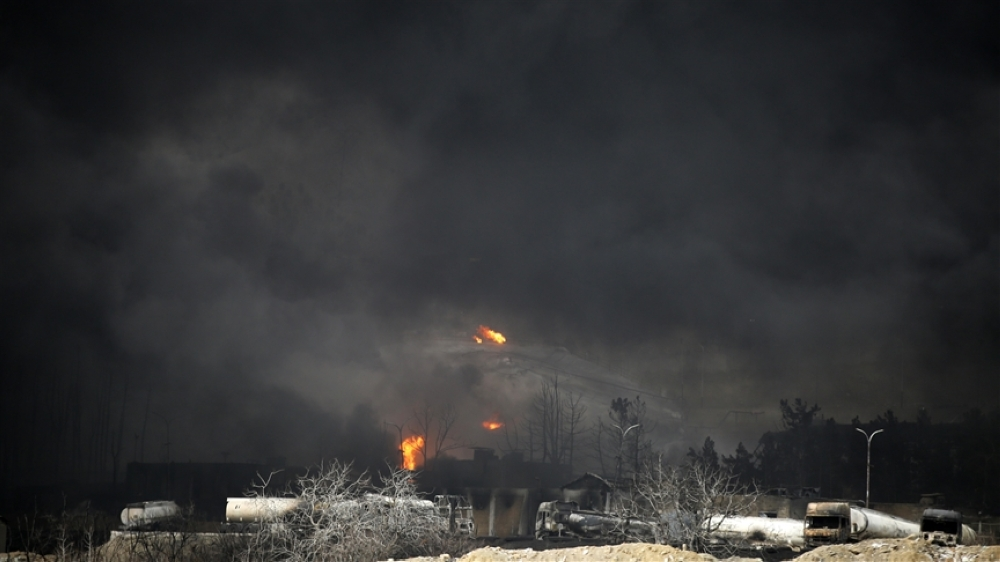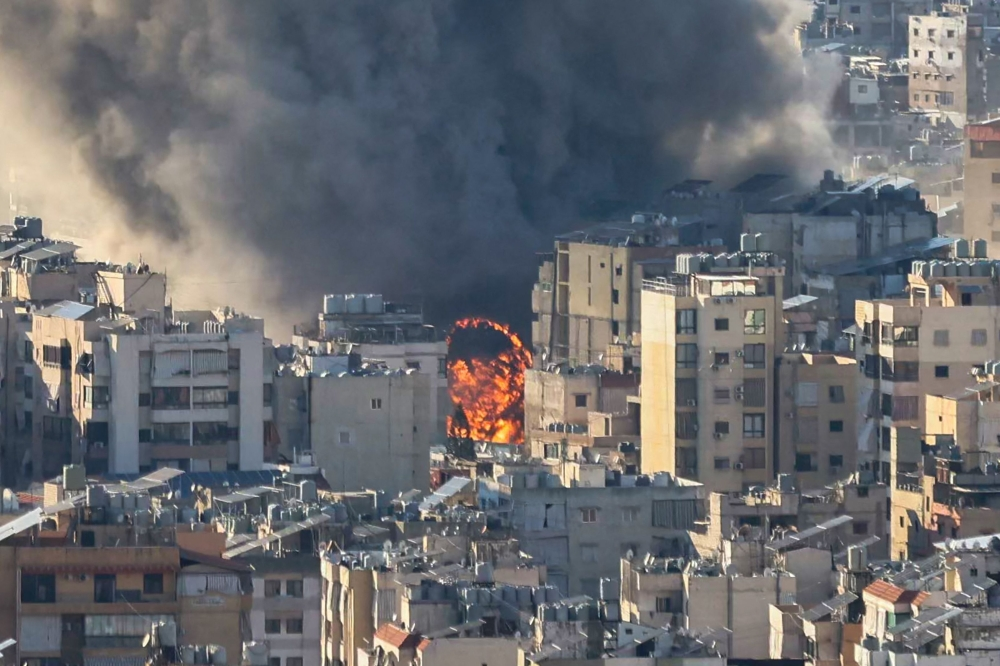
Amid escalating military tensions in the region, Russia formally and urgently called for a ceasefire in the Middle East , following a series of airstrikes by the United States and Israel targeting sites in the Islamic Republic of Iran. This Russian stance reflects Moscow's deep concern about the dangerous slide toward a full-blown confrontation with potentially disastrous consequences. The Russian Foreign Ministry, in a statement issued on Monday, stressed the need for an immediate de-escalation.
Details of the Russian position and condemnation of the attacks
The Russian Foreign Ministry strongly condemned any military actions targeting civilian infrastructure, whether within Iranian territory or in any of the neighboring Arab states. The Russian statement emphasized that such attacks are unacceptable under international law, noting that the continuation of hostilities threatens the stability of the entire region. Moscow called on all parties involved to exercise restraint and immediately cease hostilities to prevent further civilian casualties and the destruction of vital infrastructure for the peoples of the region.
The geopolitical context and the importance of a ceasefire in the Middle East
Russia’s current call for a ceasefire cannot be separated from the complex historical and political context surrounding the region. Russia has long played a pivotal role in the region’s strategic balances, maintaining close ties with Tehran and several Arab capitals. These calls for a ceasefire in the Middle East at a time of sharp international polarization, as Moscow seeks to assert its role as a great power advocating for diplomatic solutions in the face of what it often describes as destabilizing Western interventions. This stance reflects Russian concerns that an open conflict between Israel and Iran could lead to geopolitical shifts that would harm Moscow’s interests in the region, particularly in Syria and along vital waterways.
Regional and international repercussions of the ongoing conflict
The continued military escalation carries grave risks that extend far beyond the geographical boundaries of the warring states. Regionally, the absence of de-escalation threatens to expand the conflict to multiple fronts, potentially leading to new humanitarian crises and widespread displacement. Internationally, any large-scale instability in this vital region will directly impact global energy markets, causing a sharp rise in oil and gas prices, which could exacerbate the economic crises already plaguing the world. Therefore, Russia's warnings stem from a realistic assessment of the risks to international peace and security if the situation is not addressed and the crisis contained through diplomatic channels.