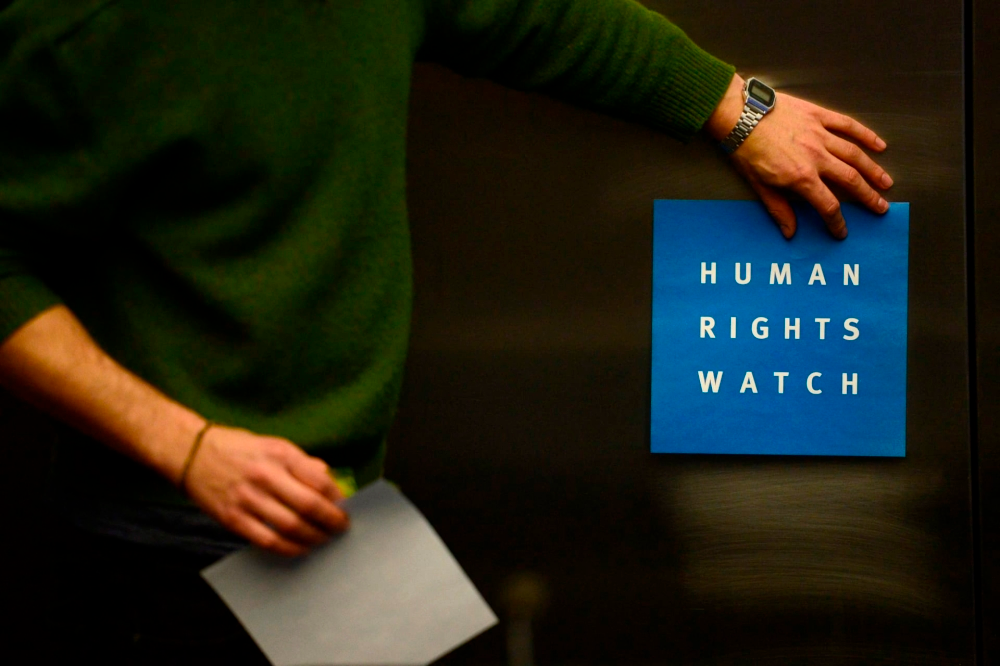
In a further escalation of its ongoing crackdown on independent voices and civil society, Russian authorities on Friday added the international human rights organization Human Rights Watch to their official list of “undesirable” organizations. This decision, for which Moscow has offered no official justification, effectively bans all of the organization’s activities within Russia and subjects anyone cooperating with it to legal prosecution.
Context of the decision and historical background
This ban is the latest in a series of measures targeting NGOs and independent media in Russia, which have accelerated dramatically since the start of the full-scale invasion of Ukraine in February 2022. In April of that year, the Russian Ministry of Justice had already revoked the registration of Human Rights Watch’s Moscow office, along with those of other prominent international organizations such as Amnesty International, forcing them to officially close. However, designating them as “undesirable” organizations is a far more severe step, criminalizing any form of association with them.
This measure is based on Russia’s controversial “undesirable organizations” law passed in 2015. This law grants the Prosecutor General’s Office the power to ban any foreign or international organization deemed a threat to “the foundations of the constitutional order, the defense capabilities, or the security of the state.” It has been systematically used to silence dissenting voices and isolate Russian activists from the international community.
The importance of the decision and its expected impact
Domestically, this decision deepens the isolation of Russian civil society and creates a climate of fear, where simply donating to the organization, participating in its events, or even publishing its reports becomes a crime punishable by hefty fines or imprisonment. It also deprives Russian citizens of one of the few remaining sources of reliable and independent information about the state of human rights in their country and around the world.
Internationally, the banning of an organization of the size and credibility of Human Rights Watch, which has worked for decades to document abuses worldwide, including within Russia itself, sends a clear message of defiance to the international community and global human rights standards. The organization has consistently condemned Moscow’s conduct in the war in Ukraine, accusing the Russian military of committing documented “war crimes,” charges that Russia consistently denies. This ban is seen as a direct response to the organization’s work in exposing these abuses. This decision joins a long list of international organizations that have been banned in the same manner, such as the World Wildlife Fund (WWF), Greenpeace, and Transparency International, underscoring the Kremlin’s approach to suppressing any form of external oversight or independent criticism.