In a significant development that casts doubt on the future of diplomatic efforts to end the conflict in Eastern Europe, Russia has directly and explicitly accused Ukraine of attempting to "sabotage" ongoing negotiations regarding the proposed US plan for a ceasefire and an end to the war. Moscow asserted that the Ukrainian leadership had made substantial changes to the agreed-upon texts, further complicating the already tense political and military situation.
Russian accusations of Ukrainian manipulation of texts
Russian Deputy Foreign Minister Sergei Ryabkov stated in televised remarks on Friday that the new text submitted by Kyiv this week differs "fundamentally" from what was previously negotiated between Moscow and the United States. The senior Russian diplomat indicated that this move reflects a lack of political will on the other side to reach a final agreement.
Ryabkov added, warning: "Our ability to make the final effort and reach an agreement depends entirely on our work and the political will of the other side," accusing Kyiv and its supporters, particularly some parties within the European Union who oppose the agreement, of intensifying their efforts to obstruct the negotiating process and thwart the American plan before it sees the light of day.
The context of the conflict and the faltering diplomatic efforts
These accusations come at a highly sensitive time in the Russian-Ukrainian war, which has drained the resources of both sides and caused enormous economic and humanitarian repercussions globally. Since the outbreak of military operations in February 2022, the international community has witnessed several attempts at mediation, but the vast gap in the demands of the two sides has consistently been the biggest obstacle. The current US plan is particularly significant because it comes from Kyiv's biggest backer, giving it political weight that could pave the way for a genuine de-escalation if its terms are agreed upon.
Details of the American plan and Zelensky's position
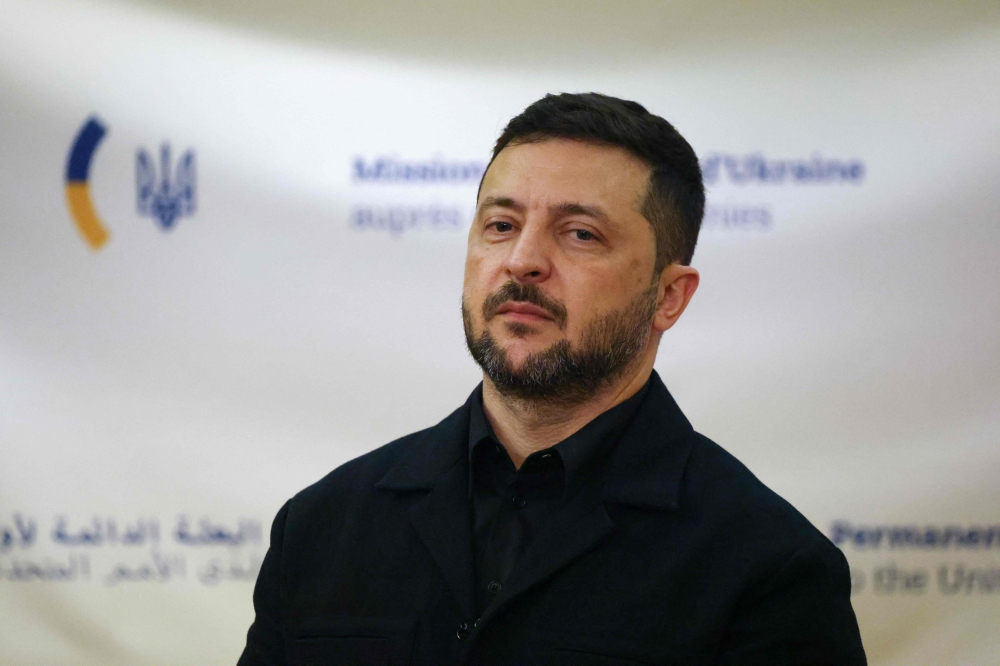
On the other hand, Ukrainian President Volodymyr Zelenskyy revealed the outlines of the latest draft of the plan, indicating that it includes freezing the fighting along the current lines of contact. This point represents a pivotal shift in the course of the war, paving the way for the withdrawal of Ukrainian forces from certain areas and the establishment of demilitarized zones—a compromise aimed at halting the bloodshed.
Zelensky stated that Moscow is currently reviewing the 20-point plan, which was formulated through arduous negotiations between US and Ukrainian officials, and expressed his expectation of receiving a formal Russian response by Wednesday. The plan includes complex security arrangements designed to ensure that fighting does not resume immediately after a ceasefire.
Expected regional and international repercussions
The success or failure of these negotiations carries major strategic implications that extend far beyond the borders of the two countries. A successful plan could mean a redrawing of the security map of Eastern Europe and a reduction in tensions between Russia and NATO, as well as stabilizing the severely impacted global energy and food markets. A failed negotiation, however, would mean a continuation of the war of attrition and the potential escalation of the conflict to include more sophisticated weapons or a wider scope of confrontation—a scenario feared by the international community. The current disagreement over the "text of the agreement" appears to reflect a clash of wills regarding the shape of this war's end: a settlement that guarantees security for all, or a fragile truce that lays the groundwork for a future round of conflict.