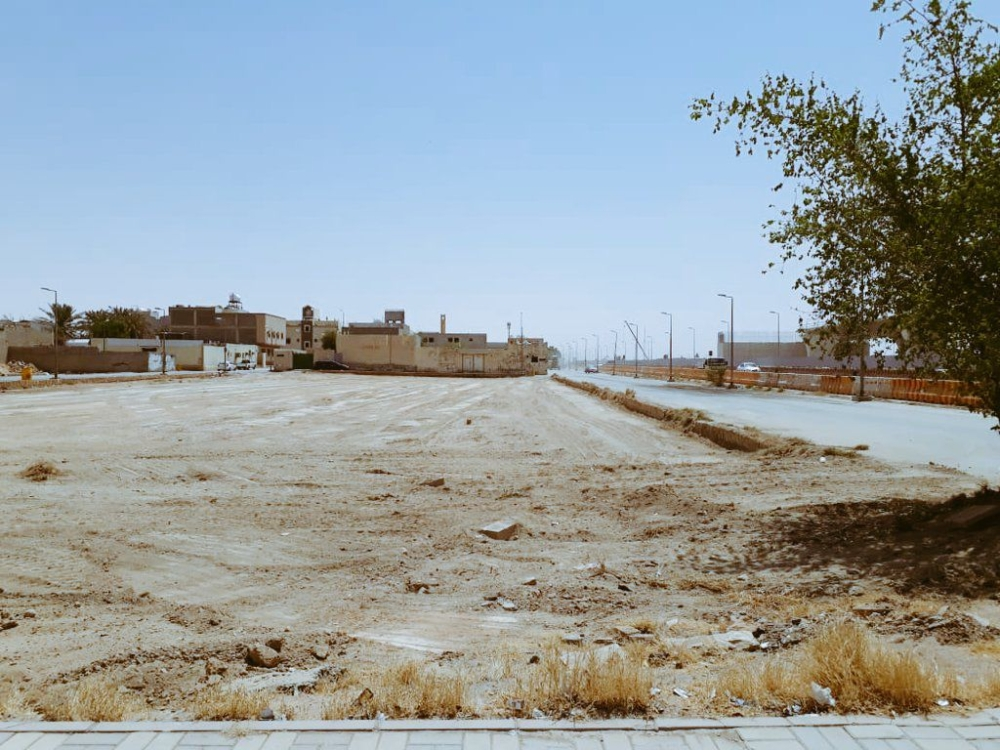
The Riyadh Municipality announced the availability of a service to issue a permit for the protection of "vacant land fencing" sites through its approved electronic channels, in a step aimed at facilitating procedures for owners and sparing them from falling under the burden of financial fines, as part of a comprehensive strategy to enhance compliance with municipal regulations and organize the urban landscape in the capital.
Enhancing the urban landscape and combating visual pollution
This step comes within the framework of the Kingdom of Saudi Arabia's ongoing efforts to improve quality of life, a key objective of Vision 2030. The Ministry of Municipal and Rural Affairs and Housing, through its various secretariats, has been working for some time on intensive initiatives to eliminate visual pollution. Unfenced vacant land is one of the most significant challenges facing the urban landscape, as it often becomes a dumping ground for waste and construction debris, negatively impacting the urban environment and public health.
The requirement for landowners to fence their land aims to unify the appearance of residential and commercial neighborhoods, reduce encroachments on land, and raise the level of security in open areas, which will positively impact the investment and residential attractiveness of Riyadh, a city experiencing rapid urban and population expansion.
The mechanism for issuing permits via the Rasdi platform
The municipality explained that the new digital service allows property owners to issue fencing permits quickly and easily without needing to visit government offices. The process begins with registration on the online portal, followed by accurately pinpointing the land's location using interactive maps. Next, the applicant enters the required data and uploads the necessary documents, selecting the approved fencing model that meets the neighborhood and district requirements. Finally, the permit is issued and printed directly through the "Rasdi" platform.
The difference between fencing and vacant land fees
In a crucial legal point, the Riyadh Municipality emphasized the need to distinguish between the obligation to fence land and the fees imposed on undeveloped land. It affirmed that obtaining a permit to fence land and implementing the project does not, under any circumstances, exempt the owner from paying the "undeveloped land fees" stipulated by applicable regulations and instructions, if the land falls within the scope of the fee's application. Fencing is a regulatory, aesthetic, and security measure, while the undeveloped land fees aim to stimulate real estate development and break up monopolies.
The Secretariat called on all owners of vacant land to quickly take advantage of the service and to comply with the approved technical requirements and specifications for the fence, stressing that the monitoring teams will begin applying the regular fines against violators who are late in fencing their lands, in order to ensure the sustainability of the urban development that the capital is witnessing.