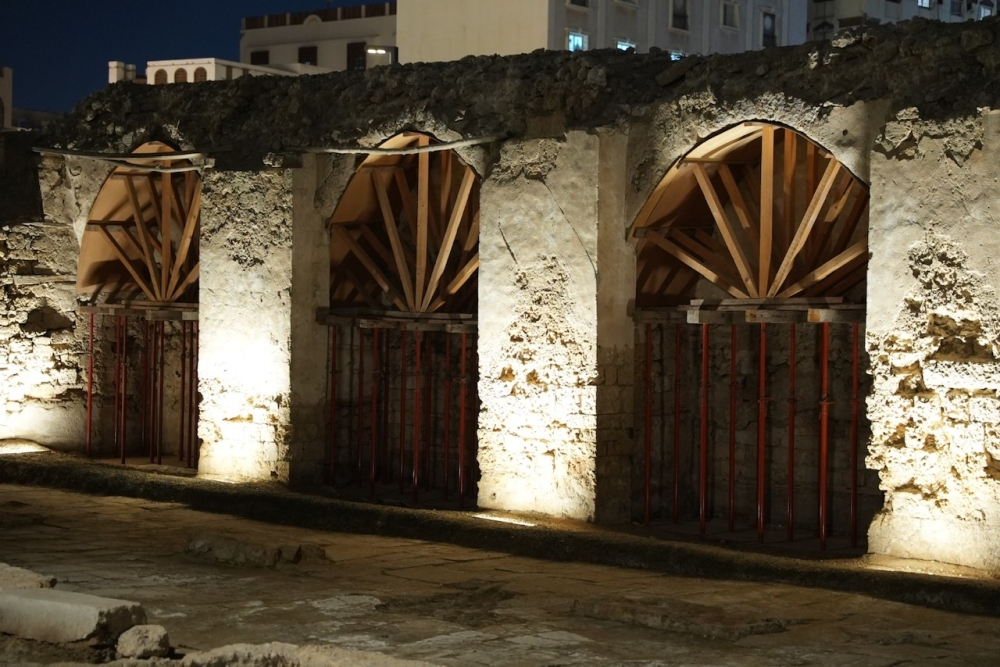
The Riyadh Theatre Festival continued its remarkable success on its third day, solidifying its position as a prominent cultural landmark in the Saudi capital. Organized by the Theatre and Performing Arts Commission , the festival offers a diverse cultural and artistic program that blends intellectual discourse with entertainment. Its venues featured specialized training workshops, theatrical performances with profound intellectual and humanistic themes, and musical evenings that brought joy to visitors.
A cultural context that aligns with Vision 2030
The success of the Riyadh Theatre Festival cannot be viewed in isolation from the major transformations taking place in the cultural sector in Saudi Arabia. This event is an integral part of the Kingdom's Vision 2030 , specifically within the initiatives of the National Culture Strategy, which aims to make culture a way of life, a pillar of the national economy, and an enhancement of the Kingdom's international standing. Since its inception, the Theatre and Performing Arts Commission has been working to develop theatre infrastructure, support local talent, and create a sustainable creative environment that contributes to improving the quality of life.
Specialized workshops and high-quality theatrical performances
The third day's events began with an intensive workshop titled "Theatrical Space and Scenography," presented by Professor Mohammed Jamil. The workshop focused on the conceptual dimension of scenography, moving beyond the traditional idea of set design to present it as an active element and essential partner in constructing the director's vision. The lecturer discussed how to transform theatrical space into an expressive medium that complements the dramatic text through the use of light, mass, and movement, thus deepening the audience's aesthetic experience.
On the performance front, the Taif Theater Troupe captivated audiences with their production of "The Third Painting," written by veteran playwright Fahd Al-Harthi and directed by Ahmed Al-Ahmari. The play delved into the internal struggles of a theater group searching for its artistic identity amidst a proliferation of styles, offering a clever dramatic treatment that blended dark comedy and absurdity to raise existential questions about the value of art and the complex relationship between creativity and material gain.
The performance was followed by a critical reading by film critic Ayed Al-Baqmi, who deconstructed the dramatic structure of the work and its directorial choices, highlighting the visual symbols and narrative tools that contributed to conveying the play's message, thus enriching the discussion between the audience and the creators of the work.
A night of musical delight and lasting impact
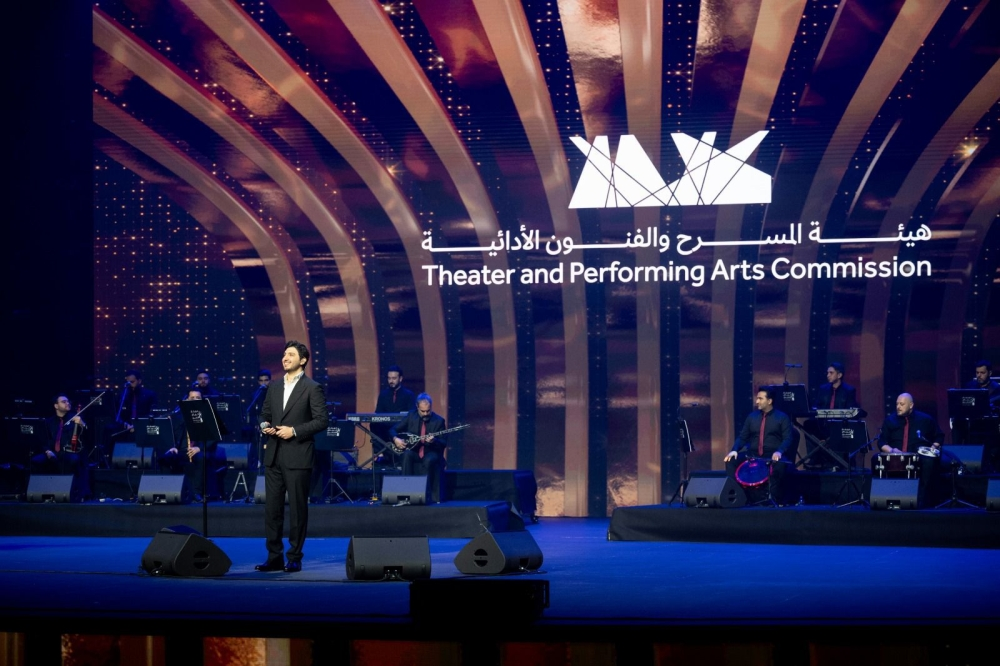
The festival was not limited to the stage alone, but also witnessed the holding of an evening artistic concert performed by the artist Mohamed Fadl Shaker, who presented a selection of classic songs, reviving some of the masterpieces of his father, the artist Fadl Shaker, amidst a large audience interaction that filled the theater stands, reflecting the integration between the audio and visual arts in the festival.
This theatrical movement holds immense importance that transcends local boundaries; it contributes to placing Riyadh on the map of cultural capitals in the region and enhances the Kingdom's soft power. It also plays a pivotal role in stimulating cultural tourism, creating economic opportunities for artists, and establishing a professional theater industry capable of competing regionally and internationally, all within the framework of the festival program, which continues until December 22.