A regulatory step to improve air quality in the capital
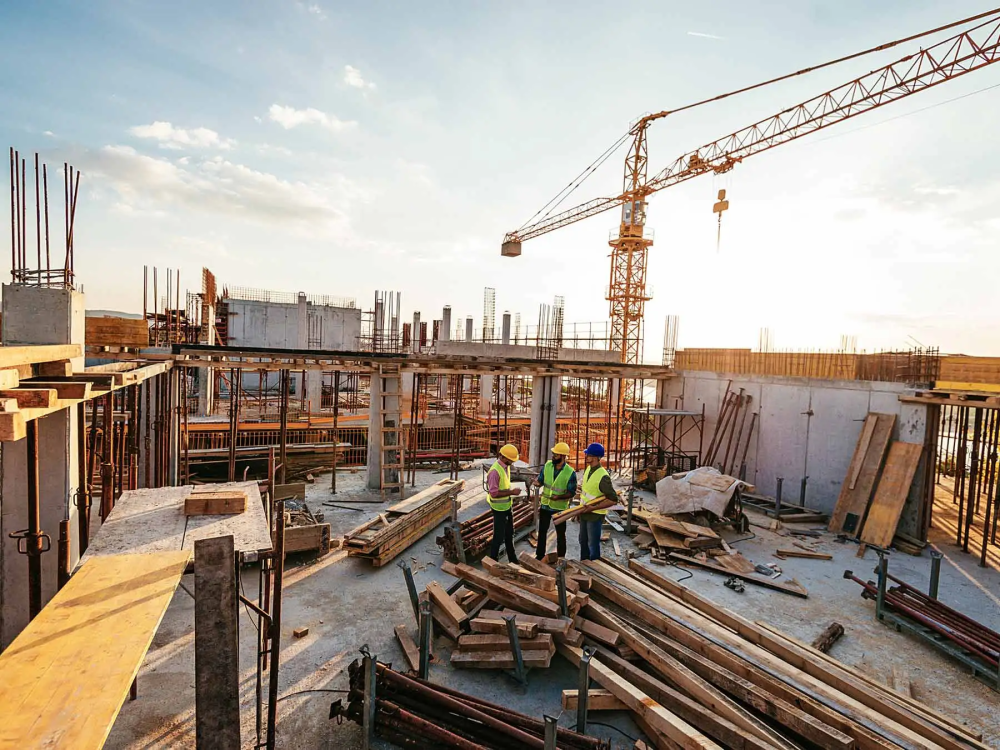
In a significant step aimed at balancing rapid urban development with environmental preservation, the National Center for Environmental Compliance, in cooperation with the Royal Commission for Riyadh City, announced the adoption of 19 specific requirements to control dust emissions from construction projects and works in the capital. These stringent measures are intended to enhance the commitment of development projects to environmental standards, improve air quality, and reduce the negative impacts of pollution on public health and the city's urban landscape.
General context: Vision 2030 and urban development
The Kingdom of Saudi Arabia, with its capital Riyadh at its heart, is witnessing an unprecedented development boom in line with the goals of Vision 2030. Riyadh has become a massive construction site, hosting mega-projects such as the King Abdulaziz Public Transport Project, the Diriyah Gate, King Salman Park, and other projects that are reshaping the city's landscape. This rapid growth in the construction sector, despite its economic importance, poses significant environmental challenges, most notably air pollution from dust and particulate matter emitted by construction sites. This has necessitated regulatory action to ensure the sustainability of this development.
Details of the new requirements and fines
The center's official spokesperson, Saad Al-Mutrafi, explained that these procedures will primarily apply to construction projects exceeding 2,000 square meters in area. The requirements include a range of practical measures to control dust, most notably the use of dust suppressants, daily site spraying, and ensuring that trucks carrying construction materials are securely covered to prevent them from becoming airborne during transport. Al-Mutrafi emphasized that failure to comply with these requirements will subject the project to a fine of up to 50,000 Saudi Riyals for each violation, reflecting the authorities' seriousness in enforcing these standards.
The importance of the decision and its expected impact
The significance of this decision lies in its direct impact on the quality of life for Riyadh residents. Locally, the implementation of these regulations is expected to lead to a noticeable decrease in particulate air pollution levels, contributing to a reduction in respiratory illnesses and allergies. The decision also enhances the city's aesthetic and urban appeal. Nationally and internationally, this step strengthens the Kingdom's reputation as a leading nation in adopting sustainable development practices and aligning its economic ambitions with its environmental responsibilities, thereby attracting foreign investment that prioritizes environmental sustainability standards.
Real-time monitoring and modern technology
To ensure effective implementation, the new procedures include installing air quality monitoring devices at major project sites and linking them to a unified electronic platform. This connection allows the National Center for Environmental Monitoring to monitor emissions in real time and continuously, and to send periodic reports on the environmental performance of each project. Al-Mutrafi noted that the center has redistributed its air quality monitoring stations based on the size and impact of major construction projects in Riyadh, to ensure comprehensive coverage and accurate monitoring of all development activities across the Kingdom.