In a move aimed at regulating the engineering and construction business environment in the Saudi capital, the Riyadh Infrastructure Projects Center officially adopted a "Guide to Infrastructure Business and Project Terminology." This initiative is part of ongoing efforts to standardize the technical and procedural language used in this vital sector, ensuring a shared understanding among all stakeholders, including government agencies and private sector companies.
Urban development context in Riyadh
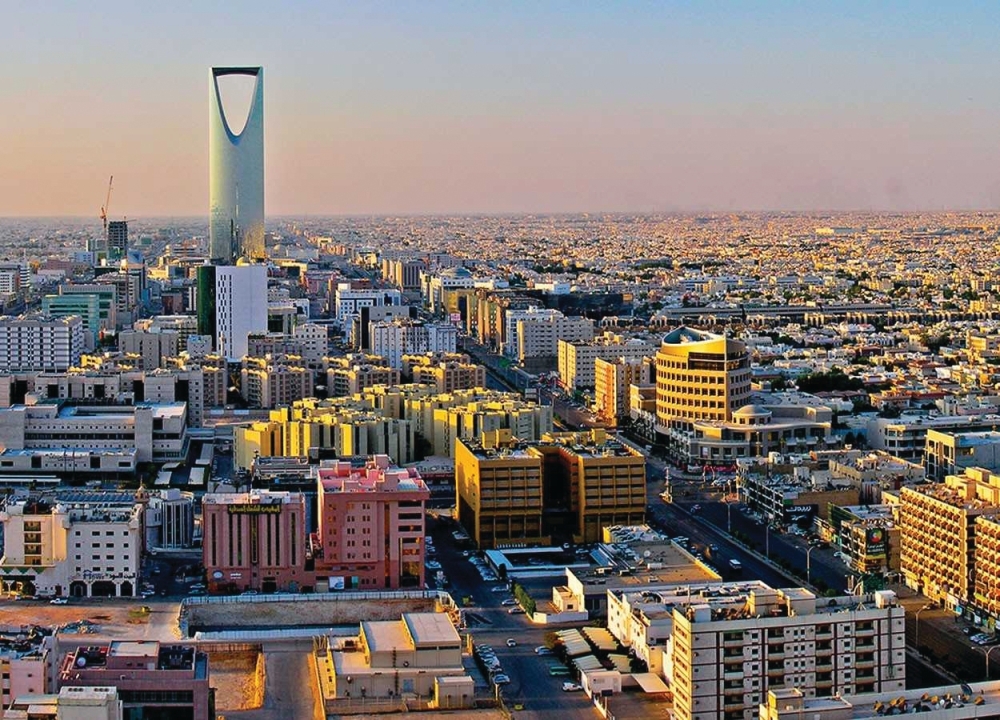
The launch of this guide comes at a time when the Riyadh region is witnessing unprecedented urban and developmental transformations, in line with the objectives of the Kingdom's Vision 2030. With the increasing scale of major projects, ranging from public transportation networks to water, electricity, and telecommunications projects, the urgent need has arisen for a unified reference that eliminates any ambiguity in commonly used terminology. The absence of a common language often leads to differing interpretations, which can cause project delays or conflicting coordination among various service providers.
Guide objectives and its strategic importance
The center explained that the guide's role is not limited to being a linguistic glossary, but rather it represents an organizational tool that aims to:
- Standardizing concepts: Providing accurate and clear definitions for each term according to systematic tools, which facilitates understanding the nature of the business.
- Enhancing communication: Bridging the gap between planners, implementers, and supervisors through a unified language.
- Preserving institutional knowledge: Documenting terminology contributes to the sustainability of knowledge and the transfer of expertise to future generations of engineers and administrators.
Key terms and approved models
The guide included a detailed explanation of several key terms that govern the relationship between the center and the implementing bodies, most notably:
- Types of licenses: The guide clearly distinguishes between a "plan license" for projects approved within detailed plans, an "emergency license" for urgent maintenance work that affects public safety or the environment, as well as an "urgent license" and a "self-license" for entities that carry out their work with their own resources.
- Permits: A "permit" is defined as a document for operating establishments, including a "general maintenance permit" specified by geographical and temporal scope.
- Governance and oversight: The guide included definitions of the "competent committee" to consider grievances, and the classification of "violations" into serious and non-serious, which enhances transparency in the application of penalties.
Expected impact on the infrastructure sector
This guide is expected to enhance the efficiency of planning and execution in Riyadh projects, as clear terminology will expedite licensing procedures and reduce contractual disputes arising from misunderstandings. The guide also strengthens the investment climate in the contracting and infrastructure sector, as investors prefer to operate within a clear and transparent regulatory environment.
The center concluded by emphasizing that this guide is a guiding document that can be developed, as it will be reviewed and updated periodically to keep pace with any changes in systems and regulations, thus ensuring its continued compatibility with the rapid developments in the urban landscape of Riyadh.