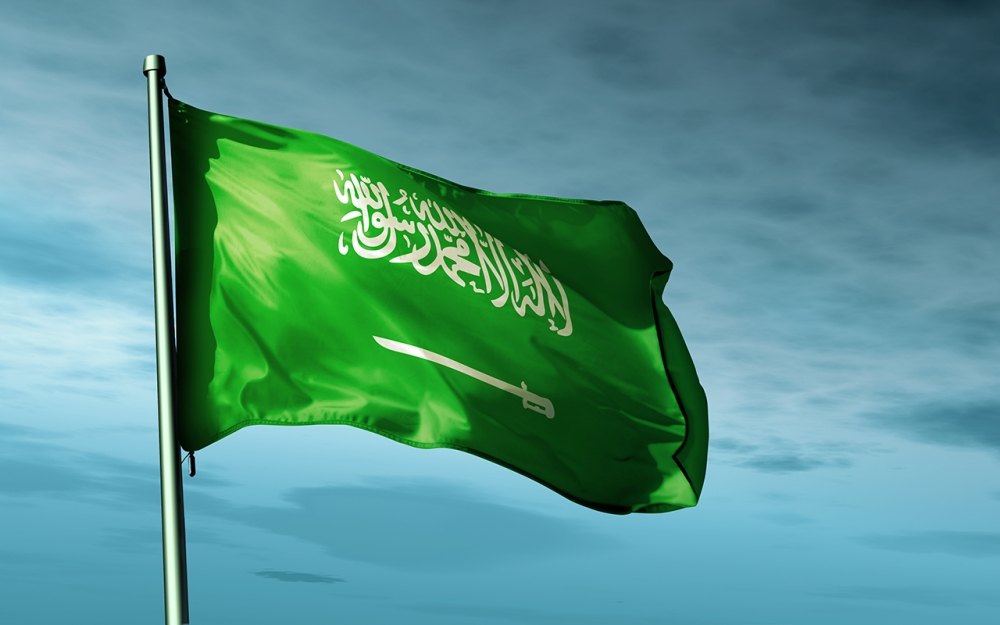
The Saudi Ministry of Foreign Affairs announced that Riyadh will host a prominent diplomatic event this evening, Wednesday, with a meeting of foreign ministers from Arab and Islamic countries . This important consultative meeting, coinciding with the 29th of Ramadan, 1447 AH (March 18, 2026), comes within the framework of the Kingdom of Saudi Arabia's ongoing efforts to strengthen joint action. This high-level diplomatic gathering aims to intensify consultation and mutual coordination on ways to support the region's security and stability, and to address the growing challenges facing the regional and international landscape.
Riyadh's pivotal role in unifying regional visions
Historically, the Kingdom of Saudi Arabia has been a cornerstone in leading diplomatic efforts aimed at unifying the Arab and Islamic world. This meeting is not an isolated event, but rather an extension of a series of summits and consultative meetings hosted by Riyadh over the decades. In light of the successive crises that have plagued the Middle East, the urgent need has arisen for a permanent platform for dialogue that brings together decision-makers to exchange views and coordinate positions. Saudi diplomacy has proven its exceptional ability to unite opposing sides and bridge differences, drawing on its political, economic, and spiritual weight in the Arab and Islamic worlds. This historical context lends significant importance to the outcomes of meetings held in the Saudi capital, as the world's attention is always focused on the strategic decisions that emerge from them, decisions that serve the interests of the region's peoples.
Strategic implications of the meeting of foreign ministers of Arab and Islamic countries
of the meeting of Arab and Islamic foreign ministers transcends the geographical boundaries of the region, extending its impact to the entire international arena. At the local and regional levels, this high-level coordination contributes to the development of joint strategies for combating terrorism, securing maritime routes, and addressing the humanitarian and political crises plaguing some countries in the region. At the international level, the participating countries' unified voice and integrated vision strengthen their negotiating position in international forums, such as the United Nations and the Security Council. Agreement on unified policies sends a clear message to global powers about the necessity of respecting the sovereignty of the region's countries and supporting their efforts to achieve a just and comprehensive peace. Furthermore, the political stability that these meetings seek to establish has a direct and positive impact on economic growth, opening new horizons for development and investment cooperation among the participating countries and ensuring a brighter future.
In conclusion, this active diplomatic engagement represents a renewed affirmation of the Kingdom's and the region's commitment to dialogue and peaceful solutions. As complex geopolitical challenges persist, cooperation and solidarity among Arab and Islamic states remain the optimal choice for safeguarding their vital interests and establishing a new era of peace and sustainable prosperity.