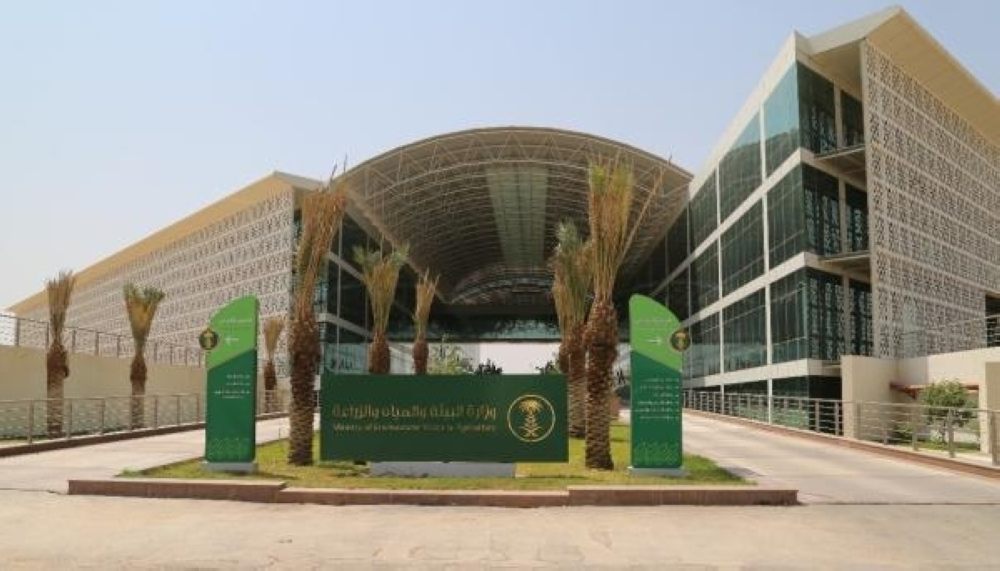
في إطار جهودها المستمرة لتعزيز الرقابة على الأسواق وضمان سلامة الغذاء، نفذ فرع وزارة البيئة والمياه والزراعة بمنطقة الرياض حملة رقابية ميدانية مكثفة استهدفت عدداً من نقاط البيع في أسواق النفع العام بالعاصمة. وقد أسفرت هذه الحملة عن ضبط كميات ضخمة من الدواجن مجهولة المصدر، بلغت زنتها أكثر من 4,200 كيلوجرام (ما يعادل 4.2 طن)، حيث تم العثور عليها داخل نقاط بيع تعمل بشكل غير نظامي وتفتقر لأدنى معايير السلامة الغذائية، وجرى التعامل مع المضبوطات وإتلافها فوراً بالتنسيق مع الجهات ذات العلاقة وفق الإجراءات النظامية المتبعة.
سلسلة من الضربات الاستباقية للمخالفين
لا تعد هذه العملية حدثاً معزولاً، بل تأتي امتداداً لسلسلة من الحملات التفتيشية الصارمة التي نفذتها الوزارة خلال الأسابيع القليلة الماضية. فقد نجحت الفرق الرقابية في وقت سابق من ضبط ما يزيد على 5 أطنان من الدواجن مجهولة المصدر في مواقع متفرقة بالرياض، بالإضافة إلى كشف عمليات تتبع دقيقة عن وجود مسالخ عشوائية تم إنشاؤها داخل استراحات خاصة، بعيداً عن أعين الرقابة الصحية والبيطرية.
وبإضافة الضبطية الأخيرة، يرتفع إجمالي ما تم ضبطه مؤخراً إلى أكثر من 10 أطنان من لحوم الدواجن المخالفة، وهي كمية ضخمة تكفي نظرياً لإطعام ما يزيد على 40,000 شخص، مما يبرز حجم الكارثة الصحية التي تم تفاديها بفضل يقظة المراقبين وسرعة استجابتهم.
أهمية الرقابة وتأثيرها على الأمن الغذائي
تكتسب هذه الحملات أهمية قصوى تتجاوز مجرد ضبط المخالفات الآنية؛ فهي تصب في صلب استراتيجية الأمن الغذائي للمملكة. إن تداول لحوم مجهولة المصدر يعني غياب الرقابة البيطرية، مما يرفع احتمالية انتقال الأمراض المشتركة بين الحيوان والإنسان، فضلاً عن مخاطر التسمم الغذائي نتيجة سوء التخزين والنقل. وتعمل الوزارة من خلال هذه الجهود على حماية الصحة العامة للمواطنين والمقيمين، وضمان وصول منتجات غذائية آمنة وسليمة إلى موائد المستهلكين.
وعلى الصعيد الاقتصادي، تساهم هذه الضربات في حماية المنتج المحلي والمستثمرين النظاميين من المنافسة غير العادلة التي يفرضها تجار السوق السوداء، الذين يعمدون إلى تقليل التكاليف عبر تجاوز الاشتراطات الصحية، مما يضر بسمعة السوق وجودة المعروض.
حزم في تطبيق الأنظمة والغرامات
أكد فرع الوزارة بالرياض أن هذه الجهود تأتي ضمن خطة رقابية شاملة ومستدامة تُنفذ على مدار العام، تهدف لرفع معدلات الامتثال في الأسواق والمسالخ. وقد كشفت الإحصائيات الرسمية عن جدية الوزارة في هذا الملف، حيث شهد العام المنصرم إصدار 6,579 مخالفة بحق منشآت غير ملتزمة، بإجمالي غرامات مالية تجاوزت حاجز الـ 6,527,800 ريال سعودي.
وتشدد الوزارة على أنها لن تتهاون في تطبيق الأنظمة ورصد التجاوزات، مؤكدة أن أعمال الرقابة مستمرة بلا توقف لصون حقوق المستهلك، وحماية المنتج الوطني من العبث والتزوير، والارتقاء بجودة الخدمات المقدمة في أسواق النفع العام بما يتوافق مع مستهدفات رؤية المملكة في تحسين جودة الحياة.