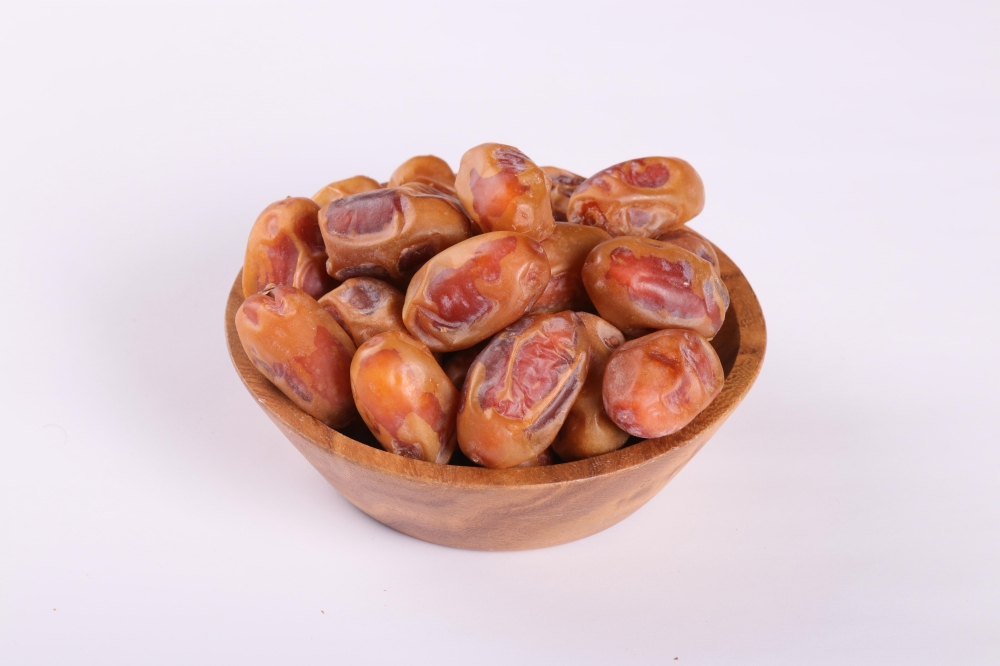
With the approach of the holy month of Ramadan, during which dates are a staple on iftar tables, the National Center for Palms and Dates revealed the enormous production volume of the Riyadh region, estimated at approximately 457,000 tons annually. This figure not only highlights the agricultural prominence of the capital but also underscores its pivotal role in bolstering the Kingdom of Saudi Arabia's food security system and meeting the increased demand during the holy month.
The importance of dates in Saudi culture and during Ramadan
Dates hold a deep symbolic and cultural place in Saudi and Islamic heritage. They are not merely a fruit, but a historical legacy and a Prophetic tradition followed by Muslims worldwide when breaking their fast. Dates are considered the ideal choice for breaking the fast, providing the body with a quick boost of energy thanks to their rich content of natural sugars such as glucose and fructose. They are also a rich source of fiber and essential minerals like iron, potassium, and magnesium, which helps prepare the digestive system to gently receive the main meal.
Riyadh's role in achieving self-sufficiency and supporting the economy
The Riyadh region accounts for a significant share of the Kingdom's agricultural wealth, boasting over 8 million date palms spread across more than 21,000 farms. This massive production, encompassing over 400 varieties of the finest dates, not only contributes to unprecedented self-sufficiency in local markets but also supports price stability and ensures the availability of high-quality products for consumers. The importance of this sector extends beyond food production, serving as a vital economic driver. The capital city's manufacturing capabilities are bolstered by more than 60 specialized factories producing 49 distinct varieties of date derivatives, most notably the popular Khudri, Sagai, Khalaas, and Barhi dates.
Alignment with Saudi Vision 2030 and international impact
This development in the palm and date sector aligns directly with the objectives of Saudi Vision 2030 , which aims to diversify national income sources and boost non-oil exports. The date sector serves as a successful model in this regard, as the Kingdom is not only self-sufficient but has also become one of the world's largest date exporters. Furthermore, through the "Custodian of the Two Holy Mosques' Gift of Dates," the Kingdom enhances its international standing by distributing the finest Saudi dates to Muslims in dozens of countries worldwide during Ramadan, reflecting Saudi hospitality and strengthening its soft power on the global stage.