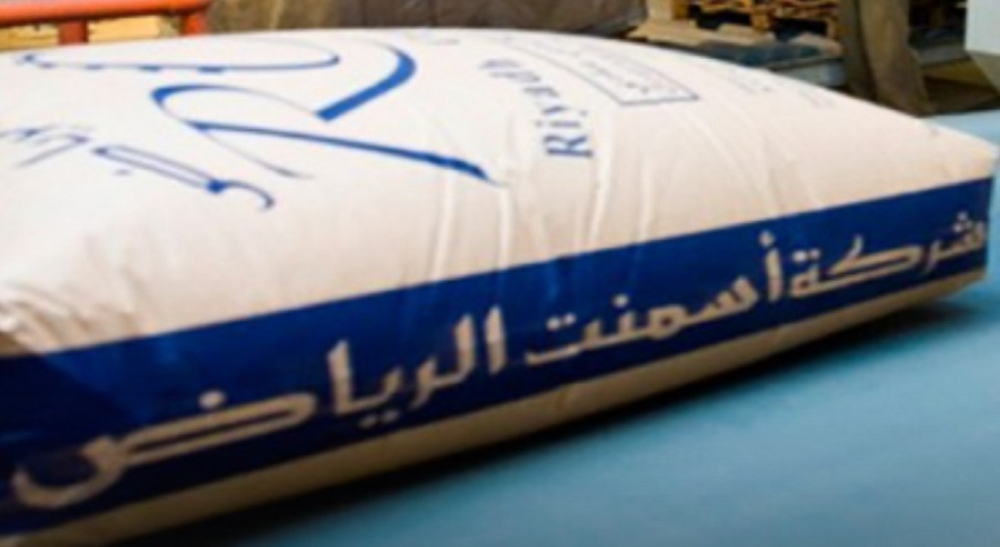
Riyadh Cement Company, a leading building materials company in Saudi Arabia, announced the commencement of the pilot phase of its ambitious waste heat recovery (WHR) project to generate electricity from its industrial processes. This announcement marks a pivotal step in the company's journey towards energy efficiency and environmental sustainability, reflecting its commitment to aligning with national and global trends in clean energy.
Project background and strategic objectives
In an official statement published on the Saudi Stock Exchange (Tadawul) website, the company explained that this project, for which the contract was signed on November 28, 2023, with Sinoma Energy Conservation Ltd., aims to establish a power generation plant with a production capacity of up to 12.64 megawatts. The project is expected to become fully commercially operational during the second half of this year. The project's operation will result in significant financial savings by reducing energy costs, which constitute a large portion of operating expenses in the energy-intensive cement industry, in addition to minimizing the environmental impact of carbon emissions.
Alignment with Saudi Vision 2030 and green initiatives
This project comes within a broader context that aligns perfectly with the goals of Saudi Vision 2030, which prioritizes sustainability and diversifying energy sources. The project also supports the "Green Saudi Arabia" initiative, which aims to reduce carbon emissions by more than 278 million tons annually by 2030. By adopting technologies such as waste heat recovery, Riyadh Cement is directly contributing to achieving these national goals and setting a leading example for the entire industrial sector in the Kingdom, demonstrating the possibility of combining industrial growth with environmental responsibility.
Economic and environmental importance of the project
The cement industry is one of the world's most energy-intensive industries, as clinker kilns require extremely high temperatures, resulting in the loss of enormous amounts of thermal energy. Waste heat recovery (WHR) technology captures this heat, which would otherwise be released into the atmosphere, and uses it to heat water and generate steam, which in turn drives turbines to produce electricity. This process not only reduces the plant's reliance on the public electricity grid or diesel generators but also contributes to enhancing the company's energy security and effectively reducing its carbon footprint, thus boosting its competitiveness in local and international markets that are increasingly focused on sustainable products.