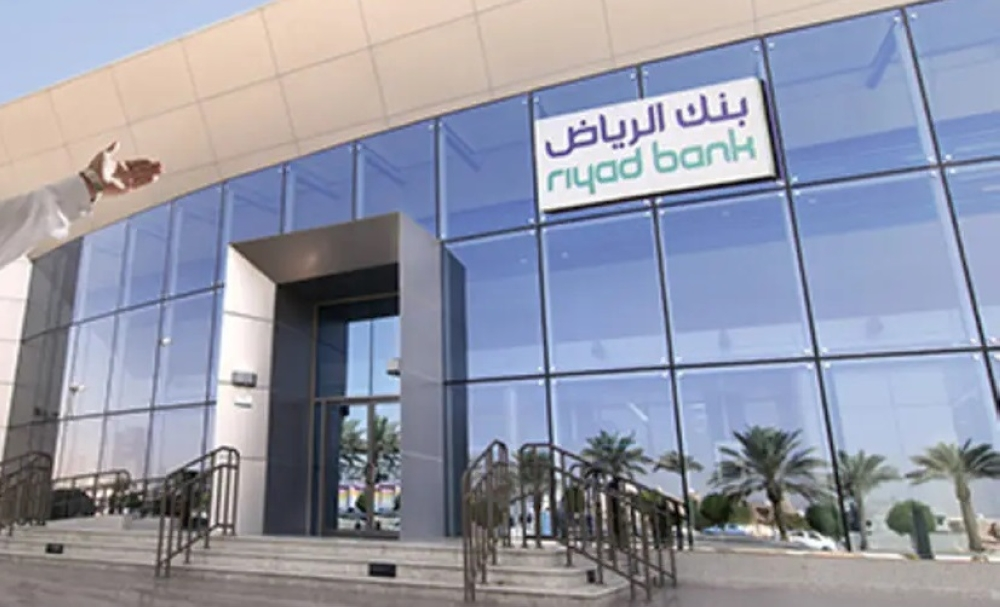
Riyad Bank has announced its intention to issue Tier 2 capital instruments, which will be sustainable and denominated in US dollars. This announcement comes as part of the bank's medium-term debt program, targeting qualified investors both within and outside the Kingdom.
In an official statement published on the Saudi Stock Exchange (Tadawul) website on Tuesday, the bank clarified that the final offering price and its detailed terms will be determined based on prevailing market conditions at the time of issuance. The statement emphasized that this step is subject to the approval of the relevant regulatory authorities and will be conducted in accordance with applicable financial regulations and laws in the Kingdom.
What does it mean to introduce second-tier debt instruments?
This step is particularly important in the context of banks' financial structuring, as Tier 2 capital a key component of banks' regulatory capital under the global Basel III standards. This type of financing is used to enhance capital adequacy, giving the bank greater flexibility in managing its financing operations and a higher capacity to absorb potential financial shocks, without affecting fundamental shareholder rights.
The move towards sustainable finance and ESG
The designation of these debt instruments as "sustainable" reflects Riyad Bank's commitment to environmental, social, and governance (ESG) standards. This approach mirrors a strategic shift in the Saudi banking sector to align with the global focus on green investment. The proceeds from these bonds or sukuk are typically allocated to financing environmentally friendly projects, such as renewable energy, energy efficiency initiatives, and socially impactful projects, thus opening the door to a new segment of international investors focused on sustainability.
Economic context and Vision 2030
This offering comes at a time when the Saudi banking sector is witnessing significant activity in global debt markets, driven by the need to finance mega-projects linked to the Kingdom's Vision 2030. Saudi banks are seeking to diversify their funding sources and increase foreign currency liquidity to support infrastructure, tourism, and industrial projects experiencing unprecedented growth in the Kingdom.
The bank concluded its statement by affirming that it will announce any subsequent material developments regarding this offering in due course, in compliance with the principle of transparency and disclosure in force in the Saudi financial market.