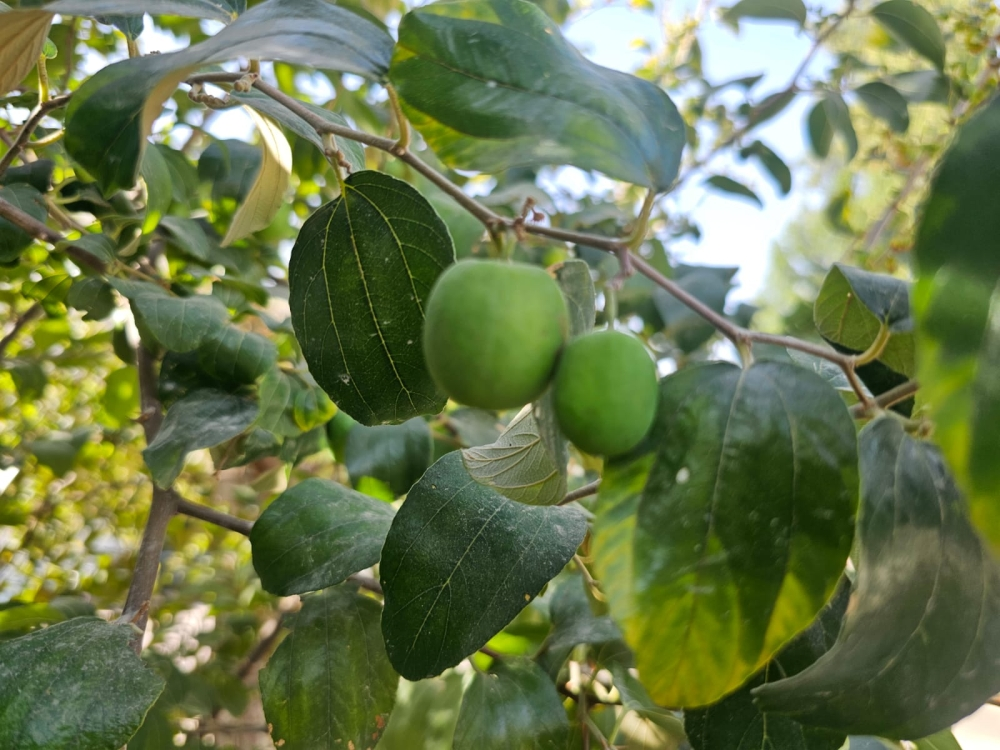
Warning against pesticide chaos: a danger threatening human and plant health
Home gardening expert Asad Al-Nimr sounded the alarm, warning of the growing phenomenon of dangerous "personal experimentation" among gardening enthusiasts, characterized by the haphazard mixing of pesticides and chemical fertilizers without any scientific basis. Al-Nimr described this behavior as a "double threat," not only directly endangering human health but also potentially leading to disastrous consequences that kill trees and plants instead of protecting and treating them.
Al-Nimr stressed that dealing with chemical agricultural materials is not a field for personal experimentation, calling for an immediate halt to the use of any compounds or mixtures not recommended by specialists, in order to ensure personal safety first, and to protect plants from poisoning and chemical burns that may destroy them second.
Historical context: From the Green Revolution to home gardens
The reliance on agricultural chemicals can be traced back to the mid-20th-century "Green Revolution," which dramatically increased global agricultural production through the use of manufactured fertilizers and effective pesticides. While this revolution succeeded in achieving food security, it also reinforced the stereotype that chemicals are necessary. With the rise in popularity of home gardening and urban agriculture as recreational activities and sources of healthy food, these chemicals have moved from large farms to small gardens, but without a corresponding increase in awareness of their safe and effective use. This knowledge gap is what opens the door to the harmful practices that experts warn against today.
Importance and impact: Dimensions that extend beyond the home garden
The impact of pesticide misuse extends far beyond the home garden, posing a broader environmental and health threat. Locally, these chemicals can leach into and contaminate the soil, reaching groundwater sources and impacting the surrounding ecosystem. This warning is particularly timely given major national initiatives like the Saudi Green Initiative, which aims to plant millions of trees. Improper agricultural practices can undermine these efforts, leading to the death of seedlings and young trees, thus wasting resources and efforts to improve the environment and combat desertification. Furthermore, pesticide residues on homegrown fruits and vegetables can pose a health risk to families, especially children, if consumed.
A roadmap for safe and successful home gardening
To avoid these risks, expert Asad Al-Nimr offered a set of scientific tips that form a clear roadmap for amateurs, starting with choosing the right time and extending to harvesting:
- Timing and Location: Al-Nimr explained that the period from mid-October to May is the "golden season" for planting, with October and November being the most suitable months for sowing seedlings. A sunny location should be chosen, and the soil should be prepared beforehand by consistently moistening it to allow organic fertilizers to decompose and the soil to cool down before planting.
- Avoid "transplant shock": Be careful not to disturb the soil around the roots when transplanting the seedling from the pot to the ground, as this can cause it to die. The soil should be kept as compact as possible.
- Irrigation protocol: Al-Nimr called for abandoning random irrigation and following a precise system that begins with daily irrigation for the first ten days after planting, then moving on to manually checking the dryness of the soil to a depth of 3 cm, and gradually reducing irrigation to once every two days as temperatures decrease.
- Balanced fertilization: It is recommended to postpone chemical fertilization for one to one and a half months after planting. Following this, the establishment phase begins with high-phosphorus fertilizers to strengthen the roots, followed by balanced fertilizers for vegetative growth, along with carefully planned preventative spraying against insects.
- Winter service: Starting in January, the "winter service" plan begins, which includes adding treated cow manure and carrying out necessary pruning. For fruit tree owners, it is recommended to use calcium boron to support flowering, then switch to high-potassium compounds to improve fruit quality and size.
Al-Nimr concluded by reiterating his call for gardening enthusiasts to adopt a scientific approach and avoid relying on personal interpretations when dealing with chemicals. He emphasized that consulting agricultural advisors and specialists is not a luxury, but an absolute necessity to ensure human safety, protect the environment, and achieve success in cultivating a healthy and sustainable garden.