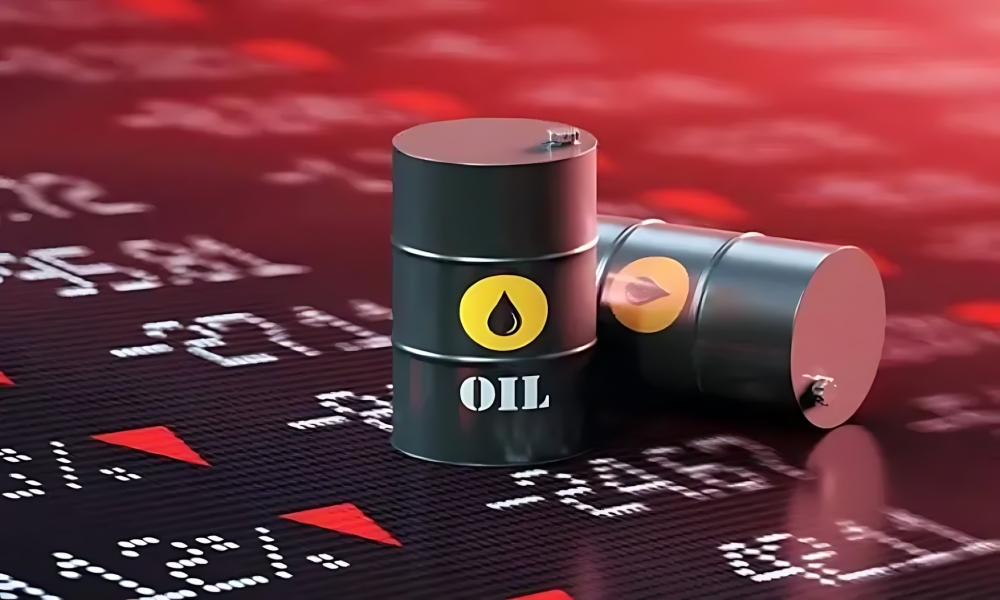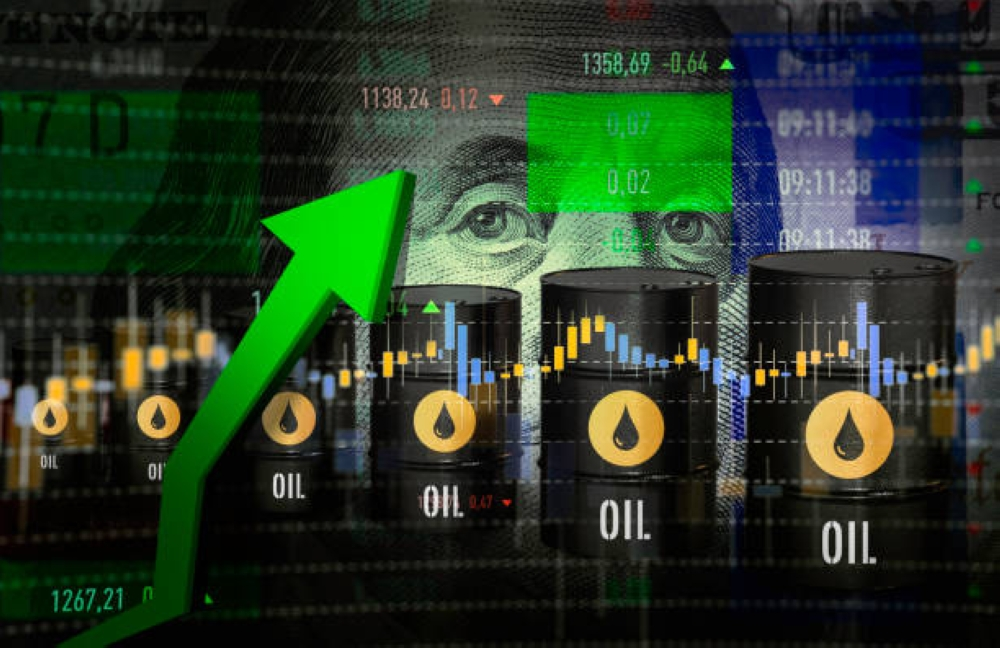
Global markets recently witnessed significant developments, with oil prices rising sharply at settlement, surpassing the $103 per barrel mark. Brent crude futures for May delivery climbed by approximately $2.68, or 2.67%, settling at $103.14 per barrel. Similarly, West Texas Intermediate (WTI) crude futures for April delivery increased by $2.98, a rise of 3.11%, reaching $98.71 per barrel. This surge reflects a state of anticipation in global markets amidst ongoing efforts to mitigate supply disruptions.
The historical context behind rising oil prices
The recent surge in oil prices was not a sudden occurrence, but rather the culmination of a series of geopolitical and economic events. Historically, energy markets are highly sensitive to international tensions, particularly those erupting in key production regions or affecting supply routes. In early 2022, with the escalation of geopolitical tensions in Eastern Europe, specifically the Russia-Ukraine crisis, there were serious concerns about potential disruptions to Russian supplies, which constitute a significant portion of global consumption. Furthermore, these tensions arose at a time when the global economy was gradually recovering from the repercussions of the COVID-19 pandemic, leading to a steady increase in energy demand against a constrained supply, thus paving the way for unprecedented price spikes in crude oil markets.
Weekly market performance and futures contract reaction
Looking at weekly market performance, Brent crude has seen a significant increase of approximately 11.27% since the beginning of the week. In contrast, West Texas Intermediate (WTI) crude rose by 8% compared to its previous price. These figures clearly reflect the sharp fluctuations in the energy market, as investors seek to secure their oil needs amidst an environment characterized by uncertainty and high risk.
Expected economic impacts locally and internationally
This surge in crude oil prices has far-reaching implications. Internationally, higher energy costs are driving up global inflation, as production and transportation costs rise, ultimately impacting consumer prices and eroding the purchasing power of citizens in oil-importing countries. Regionally and domestically, oil-exporting countries, particularly in the Middle East, may see a significant increase in their revenues, giving their governments greater fiscal space to support public budgets, finance development projects, and bolster domestic economic growth. However, challenges remain for the global economy as it strives to achieve a sustainable balance between supply and demand to ensure market stability and avoid stagflation.