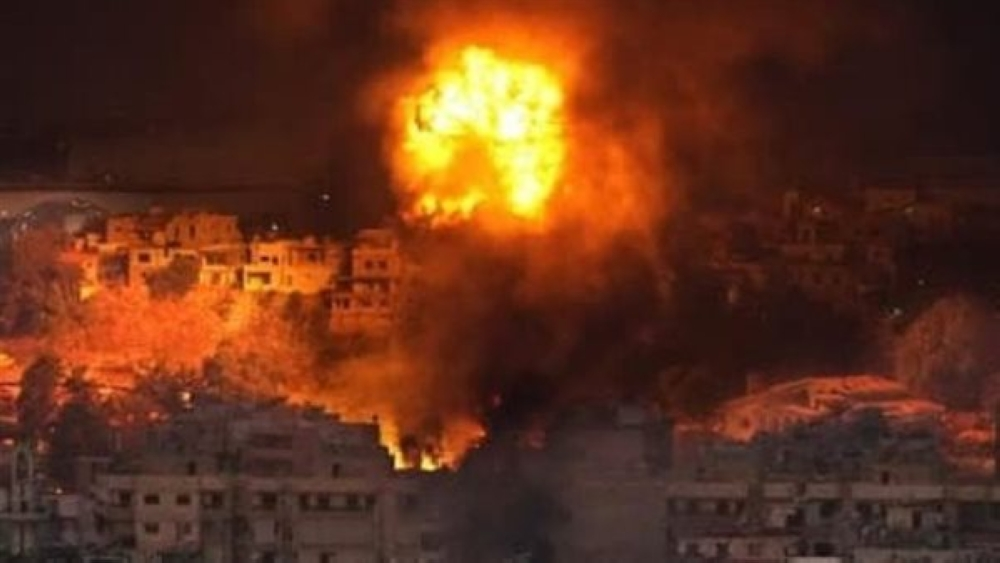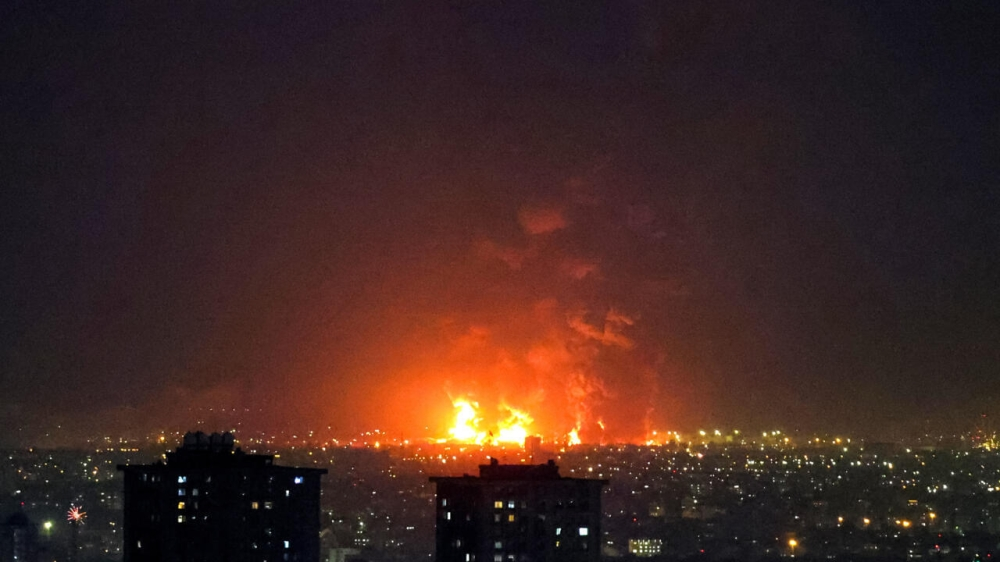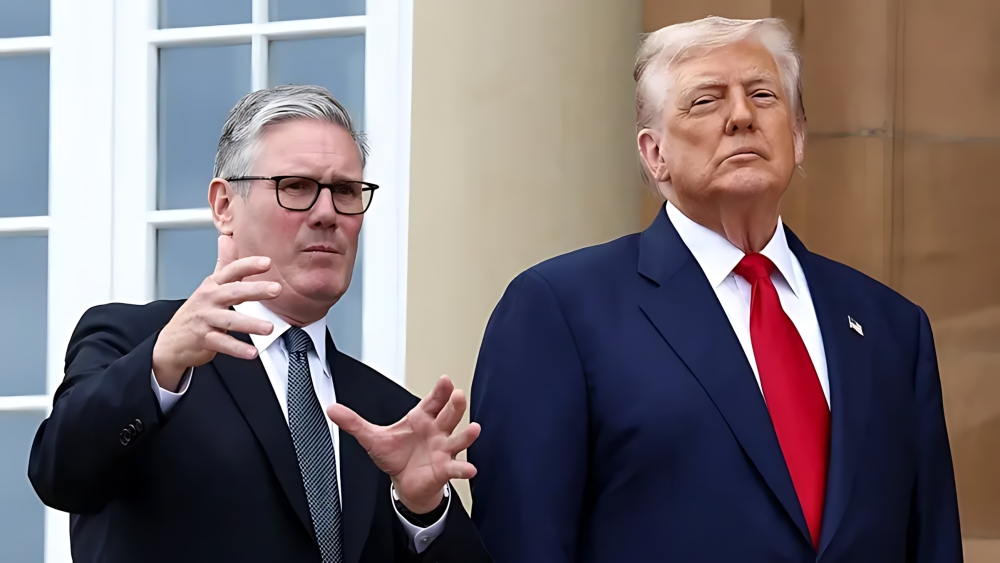
In a significant development on the international stage, British Prime Minister Keir Starmer held a telephone conversation with US President Donald Trump, with discussions focusing primarily on the need to reopen the Strait of Hormuz . This urgent diplomatic move comes as the strait remains almost completely closed by Iranian authorities, following recent military escalations and US-Israeli attacks. Both leaders emphasized the gravity of the current situation, stressing that the continued closure threatens the stability of global maritime navigation.
The strategic and historical importance of the waterway
To understand the broader context of this crisis, it is essential to consider the historical background of the Strait of Hormuz, one of the world's most vital and sensitive waterways. This strategic strait connects the Persian Gulf, the Gulf of Oman, and the Arabian Sea, and is a crucial artery for global energy supplies. Historically, the strait has been the scene of numerous geopolitical tensions, most notably the Tanker War during the Iran-Iraq War in the 1980s, and several ship seizures in recent years. With roughly one-fifth of the world's oil consumption passing through this waterway, it is a vital chokepoint; any threat to its security immediately impacts the stability of global markets.
Details of the talks and international efforts towards reopening the Strait of Hormuz
During the phone call, Starmer and Trump discussed in depth the current situation in the Middle East, emphasizing that reopening the Strait of Hormuz is a top priority to end the ongoing disruption to maritime traffic. A Downing Street spokesperson noted that these disruptions are causing a surge in costs worldwide. This bilateral coordination followed statements by the US President urging countries heavily reliant on oil transported through the Strait, particularly China and others, to send their ships to help secure this vital waterway in coordination with the United States. In a humanitarian gesture within the military context, the British Prime Minister offered his sincere condolences to President Trump for the deaths of 13 American service members since the start of the current conflict.
Economic repercussions and the impact of the global shipping paralysis
On the economic front, a recent study by the United Nations Conference on Trade and Development (UNCTAD) warned of the dire consequences of disruptions to shipping through the Strait of Hormuz. The report explained that this paralysis has far-reaching effects beyond the Middle East, threatening global energy markets, increasing shipping costs, and disrupting international supply chains. Data showed that daily ship traffic through the strait, which averaged around 129 vessels in February, has virtually ceased amid escalating military tensions.
Expected impact on local, regional and international markets
The anticipated impact of this crisis extends across multiple levels. Locally and regionally, the economies of oil-exporting Gulf states are suffering due to the disruption of their vital exports. Internationally, this shutdown has led to a dramatic surge in energy prices, with Brent crude surpassing $100 per barrel. This sudden increase exacerbates global concerns about inflationary pressures affecting various industrial and commercial sectors. Therefore, the current diplomatic efforts are crucial to ensuring regional stability and securing the flow of energy supplies, thereby averting a potential global recession and maintaining the balance of international markets.