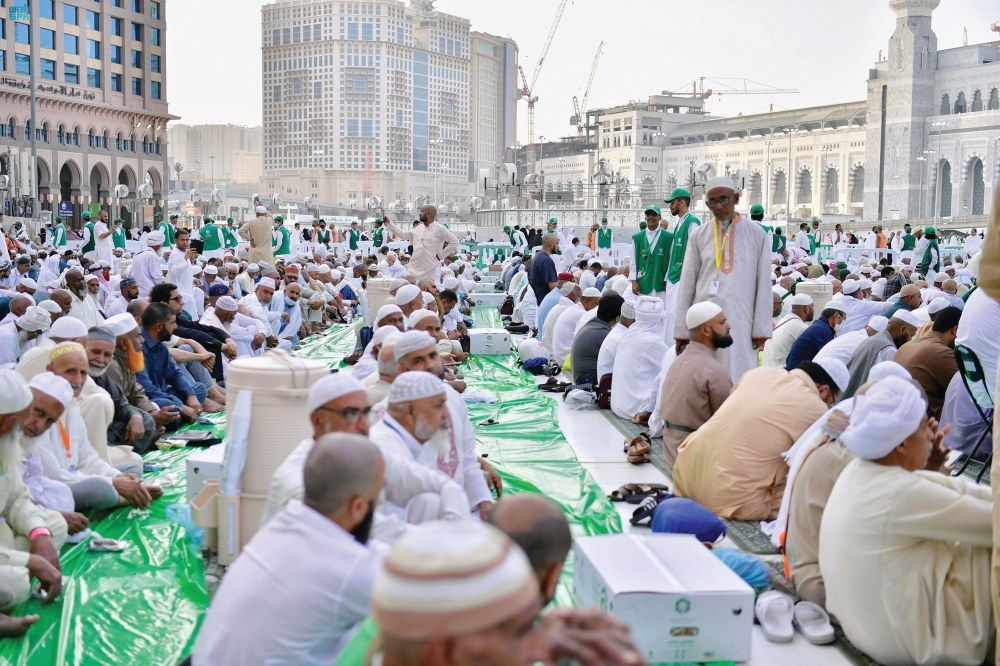
أعلنت رئاسة الشؤون الدينية بالمسجد الحرام والمسجد النبوي عن إطلاق خطتها التشغيلية المتكاملة لموسم رمضان المبارك لعام 1447هـ. تأتي هذه الخطة في إطار الاستعدادات المبكرة لاستقبال الشهر الفضيل الذي يشهد توافد الملايين من المسلمين من كافة أنحاء العالم إلى أطهر بقاع الأرض، وتجسيدًا للرسالة السامية للحرمين الشريفين في نشر الهداية وإثراء التجربة الإيمانية للقاصدين، مع التمسك بمنهج الوسطية والاعتدال.
السياق التاريخي وأهمية الاستعداد لرمضان
يحمل شهر رمضان مكانة عظيمة في قلوب المسلمين، وتتضاعف أهميته في الحرمين الشريفين، حيث يتطلع الملايين لأداء مناسك العمرة والاعتكاف والصلاة في رحابهما. وعلى مر العصور، أولت القيادة في المملكة العربية السعودية اهتمامًا بالغًا بخدمة الحرمين الشريفين وزوارهما، وتطورت هذه الخدمة لتصبح منظومة مؤسسية متكاملة تسخر أحدث الإمكانيات لضمان راحة وسلامة ضيوف الرحمن. وتعد الخطط التشغيلية الموسمية، خاصة في رمضان، امتدادًا لهذا الإرث التاريخي من العناية والرعاية، حيث تهدف إلى تنظيم وإدارة الحشود الضخمة وتقديم خدمات دينية وإرشادية على أعلى مستوى.
أهداف إستراتيجية لتحسين تجربة القاصدين
أوضح معالي رئيس الشؤون الدينية، الشيخ الدكتور عبدالرحمن بن عبدالعزيز السديس، أن الخطة أُعدّت بعناية فائقة لتكون شاملة ومنهجية، مستشرفةً لاحتياجات الموسم ومستحضرةً عظمة الزمان والمكان. وأشار إلى أنها ترتكز على سبعة أهداف إستراتيجية رئيسية، يأتي في مقدمتها تحسين وإثراء التجربة الدينية للقاصدين، ونشر تعاليم القرآن الكريم والسنة النبوية. كما تهدف الخطة إلى ترسيخ المكانة الدينية للمملكة وريادتها العالمية في خدمة الحرمين، وتحقيق الريادة في مجال الترجمة والخدمات اللغوية، بالإضافة إلى تطوير الكفاءات البشرية العاملة، وتسخير التقنيات الحديثة والتحول الرقمي لتعزيز التواصل مع المسلمين حول العالم.
مسارات تشغيلية ومبادرات نوعية
لتنفيذ هذه الأهداف، ستُفعّل الرئاسة سبعة برامج إستراتيجية تعمل عبر عشرة مسارات تشغيلية متكاملة. تشمل هذه المسارات الجوانب العلمية والدعوية والميدانية والإعلامية، ومسارًا متخصصًا للترجمة واللغات، وآخر لرسالة الشؤون النسائية، بالإضافة إلى مسار التحول الرقمي والتقني والذكاء الاصطناعي. وتتضمن الخطة أكثر من 100 مبادرة تشغيلية نوعية، إلى جانب مشاريع جديدة ومبتكرة مثل “هاكاثون هداية ثون”، و”مركز هداية”، و”معرض إجلال”، وإطلاق منصات رقمية وتطبيقات ذكية، مع توسع كبير في خدمات الترجمة لتشمل أكثر من 40 لغة عالمية.
التأثير المتوقع ورسالة إعلامية معاصرة
من المتوقع أن تُحدث هذه الخطة نقلة نوعية في مستوى الخدمات الدينية المقدمة. فعلى الصعيد المحلي، ستعزز الأجواء الإيمانية وتسهل على المواطنين والمقيمين أداء عباداتهم بيسر وطمأنينة. أما على الصعيد الدولي، فستبرز جهود المملكة في خدمة الإسلام والمسلمين، وستنقل رسالة الحرمين الشريفين إلى العالم بأسره. وفي هذا السياق، أكد المشرف على الإعلام والاتصال، الدكتور سالم بن علي عريجه، أن المسار الإعلامي للخطة سيركز على تحويل المبادرات إلى قصص إنسانية مؤثرة، وإبراز الخدمات الدينية بلغة إعلامية معاصرة وموثوقة، بما يواكب تطلعات الإعلام المحلي والدولي ويعزز الوعي برسالة الحرمين القائمة على السلام والمحبة.
وسيعمل على تنفيذ هذه المنظومة المتكاملة فريق يضم أكثر من 850 كادرًا بشريًا مؤهلاً، بمشاركة الأئمة والخطباء والمدرسين والمؤذنين، مدعومين بمؤشرات أداء دقيقة لقياس الأثر وضمان جودة التنفيذ، بهدف تعظيم الأثر الإيماني في نفوس قاصدي الحرمين الشريفين خلال شهر رمضان المبارك.