في خطوة تنظيمية هامة تهدف إلى إعادة التوازن للسوق العقارية في المملكة العربية السعودية، اعتمدت الهيئة العامة للعقار مجموعة من الضوابط الجديدة المخصصة لتصحيح مخالفات الأحكام النظامية التي تحكم العلاقة الإيجارية بين المؤجر والمستأجر. وتأتي هذه القرارات كجزء من استراتيجية شاملة لرفع مستوى الامتثال للأنظمة العقارية، وتعزيز الشفافية، وحماية حقوق كافة الأطراف في العملية التعاقدية.
سياق تنظيمي يواكب التحولات الاقتصادية
تأتي هذه التحركات في وقت يشهد فيه القطاع العقاري السعودي تحولات جذرية تواكب مستهدفات رؤية المملكة 2030، التي تولي اهتماماً كبيراً بتنظيم قطاع الإسكان والعقار. وتعد الشبكة الإلكترونية لخدمات الإيجار "إيجار" إحدى الركائز الأساسية لهذه البنية التحتية الرقمية، حيث ساهمت منذ إطلاقها في توثيق ملايين العقود وتقليل النزاعات القضائية. ومع ذلك، شهدت الفترة الأخيرة، وتحديداً في العاصمة الرياض، تحديات تتعلق بارتفاع أسعار الإيجارات وممارسات بعض المؤجرين التي استدعت تدخلاً تنظيمياً حازماً لضبط السوق ومنع الاحتكار أو الاستغلال غير النظامي.
تفاصيل المخالفات الأربعة وآليات التصحيح
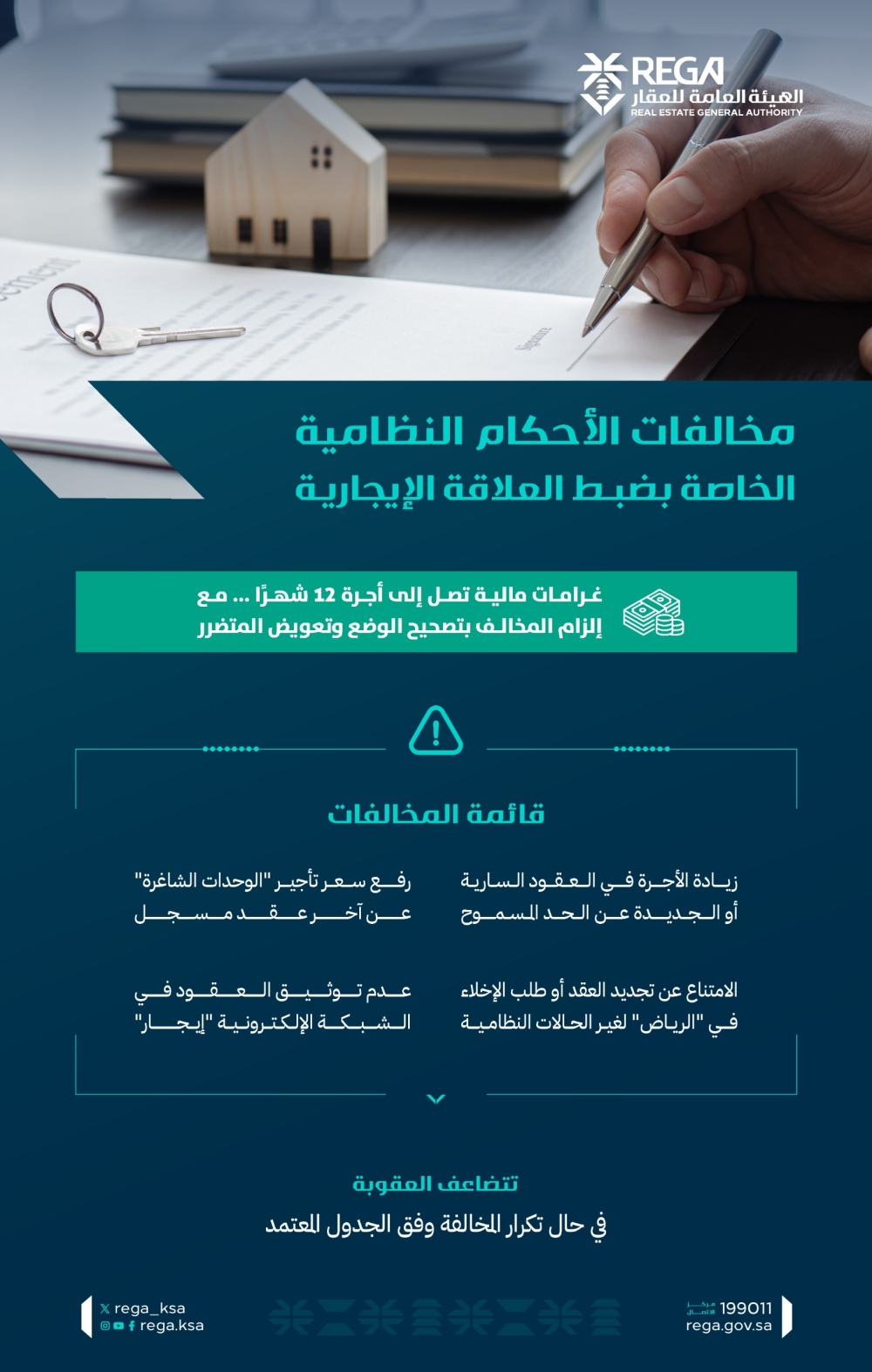
أقرت الضوابط الجديدة إلزام المخالفين بتعديل أوضاعهم وتصحيح المخالفات المسجلة بحقهم خلال مدد زمنية محددة. وقد حددت الهيئة أربعة أنواع رئيسية من المخالفات التي تستوجب التصحيح الفوري:
- رفع قيمة الأجرة بشكل غير نظامي: إلزام المؤجر الذي قام برفع قيمة الأجرة الإجمالية للعقار بتصحيح القيمة بما يتوافق مع الأنظمة.
- المبالغة في أجرة العقار الشاغر (الرياض): شملت الضوابط من زاد قيمة أجرة العقار الشاغر في مدينة الرياض مقارنة بقيمة آخر عقد إيجار لنفس الوحدة، حيث يلزم بتصحيح القيمة وفقاً للمعايير المحددة.
- الامتناع عن التسجيل في "إيجار": إلزام المؤجر الذي لم يوثق العقد في الشبكة الإلكترونية بالمبادرة فوراً لاستكمال التسجيل النظامي لضمان الحقوق القانونية.
- الإخلاء ورفض التجديد (الرياض): شملت الضوابط المؤجرين في الرياض الذين امتنعوا عن تجديد العقود وأجبروا المستأجرين على الإخلاء خارج الحالات النظامية، حيث يتعين عليهم التجديد طالما رغب المستأجر في ذلك.
الأثر الاقتصادي والاجتماعي المتوقع
من المتوقع أن يكون لهذه الضوابط تأثير إيجابي مباشر على استقرار السوق العقارية، لا سيما في المدن الكبرى التي تشهد كثافة سكانية عالية وطلباً متزايداً على الوحدات السكنية. فعلى الصعيد المحلي، ستساهم هذه الإجراءات في كبح جماح التضخم في أسعار الإيجارات غير المبررة، مما يوفر استقراراً اجتماعياً للأسر المستأجرة ويقلل من معدلات التنقل القسري. أما على الصعيد الاستثماري، فإن وضوح الأنظمة وحزم تطبيقها يعزز من جاذبية القطاع العقاري للمستثمرين الذين يبحثون عن بيئة منظمة وشفافة، مما يرفع من كفاءة السوق ويقلل من المخاطر المرتبطة بالنزاعات الإيجارية.
الإجراءات النظامية والمهل الزمنية
شددت الهيئة العامة للعقار على أن المهلة الممنوحة لتصحيح المخالفة لا تتجاوز عشرة أيام، وفي حال عدم الالتزام، يحق للهيئة اتخاذ الإجراءات النظامية اللازمة، والتي قد تصل إلى التدخل لتعديل قيمة الأجرة أو تجديد العقد تلقائياً بما يتوافق مع الأحكام المعتمدة. وفي الحالات المعقدة، مثل تأجير العقار لمستأجر آخر حسن النية، يتم إحالة النزاع إلى المحكمة المختصة للفصل فيه، مع التأكيد على حق المتضررين في المطالبة بالتعويضات، مما يرسخ مبدأ العدالة الناجزة في القطاع العقاري.