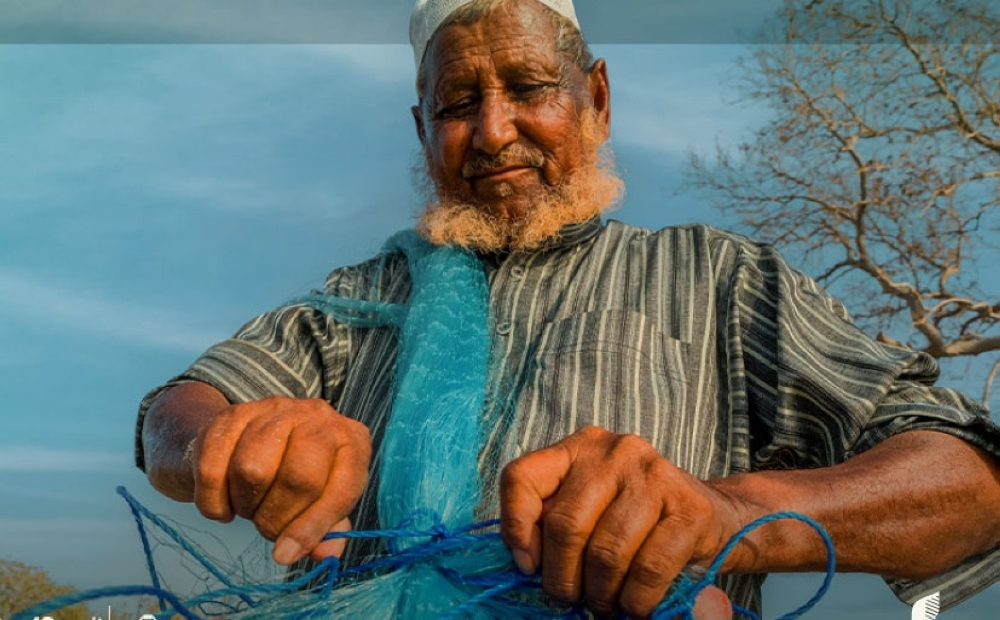
In a strategic move aimed at enhancing food security and boosting local production efficiency, the Sustainable Rural Agricultural Development Program, "Reef Saudi Arabia," has launched an ambitious project to modernize the Kingdom's artisanal fishing fleet. This project, part of the program's initiatives to empower small-scale producers and improve their livelihoods, includes the provision of 1,450 boats to small-scale fishermen, equipped with modern engines and advanced satellite tracking systems.
A strategic context that aligns with Vision 2030
Saudi Arabia boasts extensive coastlines on the Red Sea and the Arabian Gulf, making the fisheries sector a cornerstone of its strategy to diversify the national economy away from oil. The "Reef Saudi" initiative aligns perfectly with the goals of Vision 2030, which prioritizes supporting local content and achieving self-sufficiency in food supply chains. Fishing is no longer merely a traditional, inherited profession; it has transformed into a promising economic sector requiring a technological infrastructure that meets global standards to ensure its sustainability.
Details of technical and logistical support
Official program statistics revealed details of the support provided, which included the supply of 450 new marine engines with high technical specifications and varying power outputs (40, 75, and 100 horsepower) to suit different boat sizes and sailing needs. This upgrade aims to replace old, worn-out engines that had been a financial burden on fishermen due to their frequent breakdowns and high fuel consumption, thus directly contributing to reducing operating costs and increasing profit margins for beneficiaries.
Enhancing maritime safety standards via satellite
The program's official spokesperson, Majid Al-Buraikan, explained that the project prioritizes the safety of lives. As part of this initiative, 1,000 state-of-the-art EPIRB satellite-based distress beacons were distributed. This technology represents a significant advancement in maritime safety procedures for artisanal fishermen, ensuring rapid response to emergencies and highly accurate vessel location at sea. This enhances the sense of security for fishermen and their families and encourages younger generations to pursue this vital profession.
Comprehensive geographic coverage and expected economic impact
The project's geographical distribution map encompassed six key regions covering the Kingdom's most vital coastlines: Makkah, Madinah, the Eastern Province, Tabuk, Asir, and Jazan. This support is expected to stimulate economic activity in rural coastal communities, as improved production methods will contribute to increased catch volume and quality. This, in turn, will positively impact the stability of local markets, ensure the availability of fresh seafood for consumers, and promote balanced development across the Kingdom's various regions.