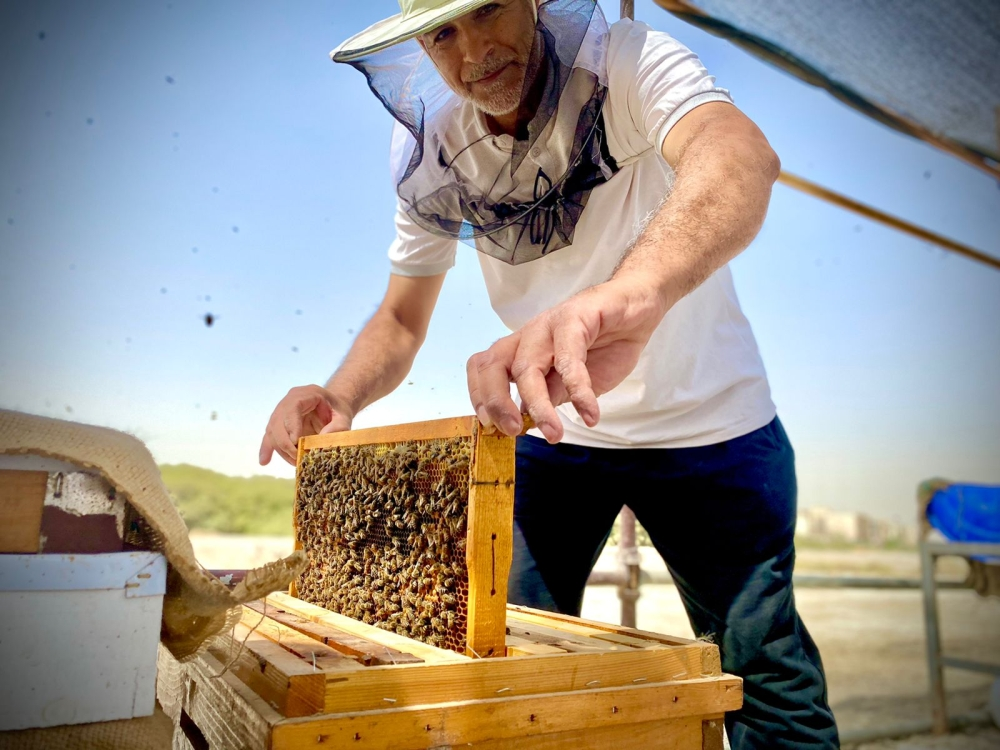
In a strategic move aimed at developing the beekeeping sector in the Kingdom, the Sustainable Rural Agricultural Development Program “Reef Saudi Arabia” announced the launch of a major development project that includes distributing 1,800 packages of modern beekeeping tools and equipment to Saudi beekeepers across the Kingdom. This significant initiative aims to bring about a real transformation in this vital sector by increasing production efficiency, improving the quality of local honey, encouraging the adoption of advanced technologies, and supporting the shift from traditional methods to more sustainable agricultural practices, in line with the ambitious goals of Saudi Vision 2030.
Historical background and development context
Beekeeping in Saudi Arabia boasts a rich history and deep cultural roots, with honey, especially premium varieties like Sidr and Talh honey, considered an integral part of the local heritage and culinary traditions. However, the sector has long relied on traditional methods, impacting production volume and competitiveness. Within the framework of Vision 2030, which aims to diversify national income sources and enhance food security, the government has prioritized the development of the agricultural sector, including beekeeping, recognizing it as a promising economic driver and a vital source of income for families in rural areas.
Project goals and integration of efforts
The official spokesperson for the “Reef Saudi Arabia” program, Majid Al-Buraikan, explained that this project is not limited to distributing equipment, but aims to build an integrated and sustainable system. He pointed out that this step directly complements other projects of the Ministry of Environment, Water and Agriculture, such as the establishment and operation of specialized stations for queen bee breeding and bee colony production. These stations work to improve the strains and genetic traits of local bees, thus increasing their productivity and disease resistance. The modern equipment enables beekeepers to make the most of these improved queens and locally produced bee colonies, ensuring high success rates in breeding and colony stability.
Expected impact at the local and national levels
This initiative is expected to have multiple positive impacts. Locally, the modern equipment will contribute to increased efficiency in apiary management, reduced stress on bees, and more regulated feeding and harvesting processes, directly leading to increased honey production and improved quality and safety. This will enhance the competitiveness of local products in domestic markets and provide a sustainable source of income for small farmers and beekeepers. Nationally, developing the beekeeping sector supports food security goals, reduces reliance on imports, and contributes to the preservation of biodiversity through the vital role bees play in pollinating plants and agricultural crops. Empowering Saudi beekeepers is an investment in both environmental and economic sustainability.