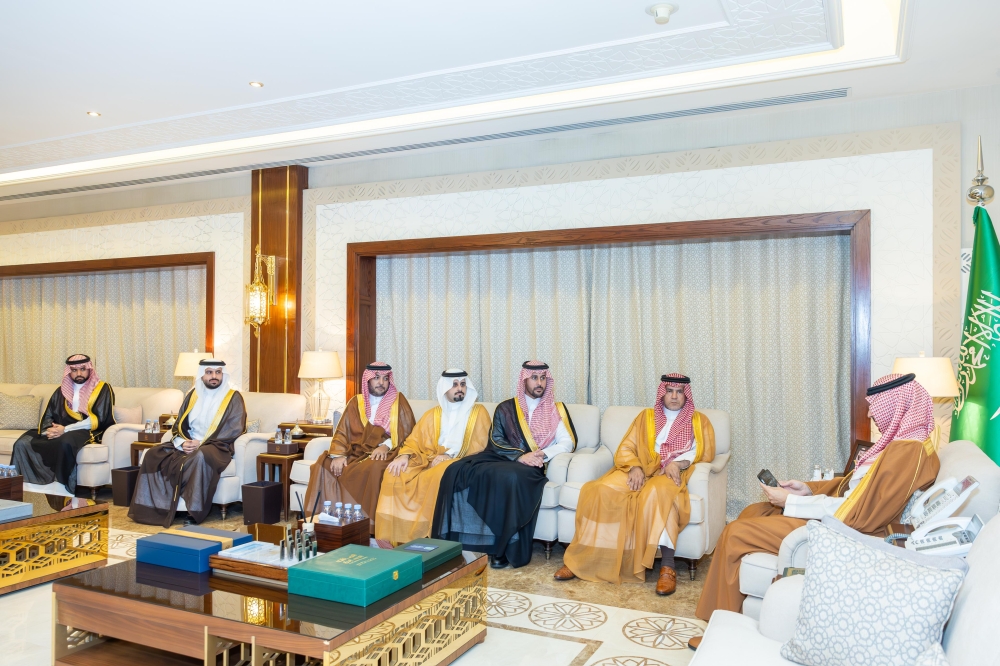
His Royal Highness Prince Saud bin Bandar bin Abdulaziz, Deputy Governor of the Eastern Province, emphasized the vital role of community institutions in promoting a culture of food preservation, stressing the importance of reducing food waste in the Kingdom. This came during his meeting at his office in the Governorate with Mr. Abdul Latif bin Abdullah Al-Rajhi, Chairman of the Board of Directors of the Saudi Food Bank Association “Itaam,” accompanied by several board members. The meeting included a review of the association's most recent achievements.
The roots of the initiative and its alignment with Vision 2030
The Saudi Food Bank Association, “Itaam,” was established in the Eastern Province through a generous initiative by a group of prominent business leaders, making it the first specialized food bank in the Kingdom and the region. This initiative stemmed from a deep sense of social responsibility and the pressing need to organize charitable work related to food. In the current context, efforts to reduce food waste are of paramount importance, as they align perfectly with the objectives of Saudi Vision 2030, which seeks to achieve environmental and economic sustainability, minimize the loss of natural resources, and build a vibrant society whose members understand the importance of responsible consumption and preserving resources for future generations.
Feeding strategies to reduce food waste
During the meeting, His Royal Highness the Deputy Governor of the Eastern Province reviewed the final report for the Ramadan season, which included figures and statistics highlighting the tremendous efforts made to preserve surplus food and deliver it to those in need according to the highest standards of quality and safety. The report also covered the implementation of numerous volunteer initiatives and food shopping projects aimed at reducing food waste in a practical and well-planned manner. Among the most prominent achievements was the "Break Your Fast Safely" initiative, dedicated to distributing Iftar meals, which benefited more than 50,000 families in cooperation with 98 charitable organizations. The report also addressed the pilot operation of the association's branch in the Madinah region, which expands the reach of the non-profit "Itaam" system to include new areas.
Local and international impact of food resource conservation
The importance of these initiatives extends beyond the local level, serving as a regional and international model. Locally, these efforts contribute to food security for vulnerable families and alleviate their economic burdens, while also reducing the environmental impact of organic waste disposal. Regionally and internationally, the Kingdom's commitment to food waste reduction programs reflects its positive engagement with the United Nations Sustainable Development Goals, particularly Goal 12, which focuses on ensuring sustainable consumption and production patterns. This approach reinforces the Kingdom's position as a leading nation in humanitarian and environmental work globally.
Continuing to give and developing community initiatives
At the conclusion of the meeting, Mr. Abdul Latif Al-Rajhi expressed his deepest gratitude and appreciation to His Royal Highness the Deputy Governor of the Eastern Province for his continued support and keen interest in the association's programs. Mr. Al-Rajhi affirmed that "Itaam" will continue its journey with unwavering steps towards innovating and developing new initiatives that contribute to enhancing its positive impact on preserving food and serving the community. He emphasized that the combined efforts of the wise leadership, non-profit organizations, and the community represent the cornerstone for ensuring the sustainability of resources and achieving the desired social solidarity.