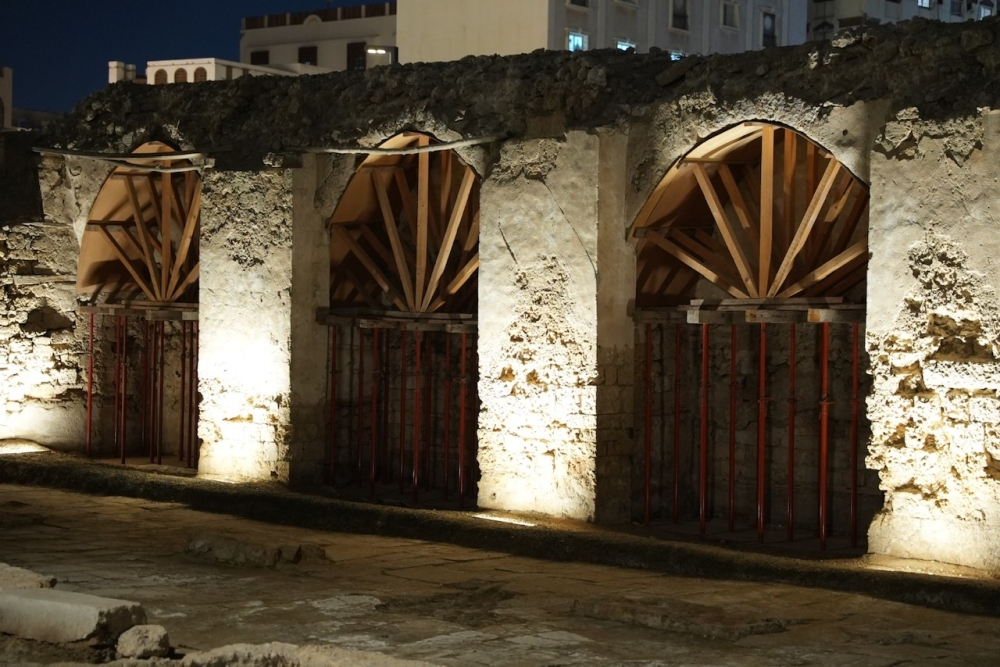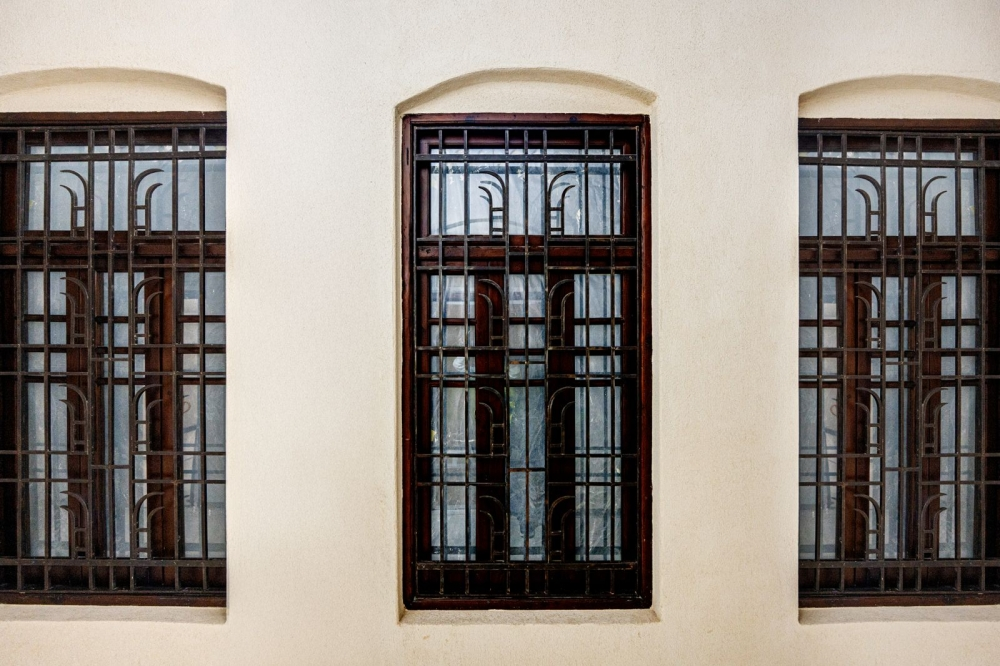
On Saturday, December 6, 2025, the eyes of heritage and history enthusiasts will turn to Jeddah's historic (Al-Balad), where the Museums Authority will officially open the Red Sea Museum . This landmark cultural event redefines the relationship between humanity and the sea. The opening culminates the Kingdom's efforts to preserve world heritage and aligns with the goals of Saudi Vision 2030, which aims to strengthen national identity and build a thriving cultural economy.
Symbolism of the place: Bab al-Bunt and the Pilgrims' Gate
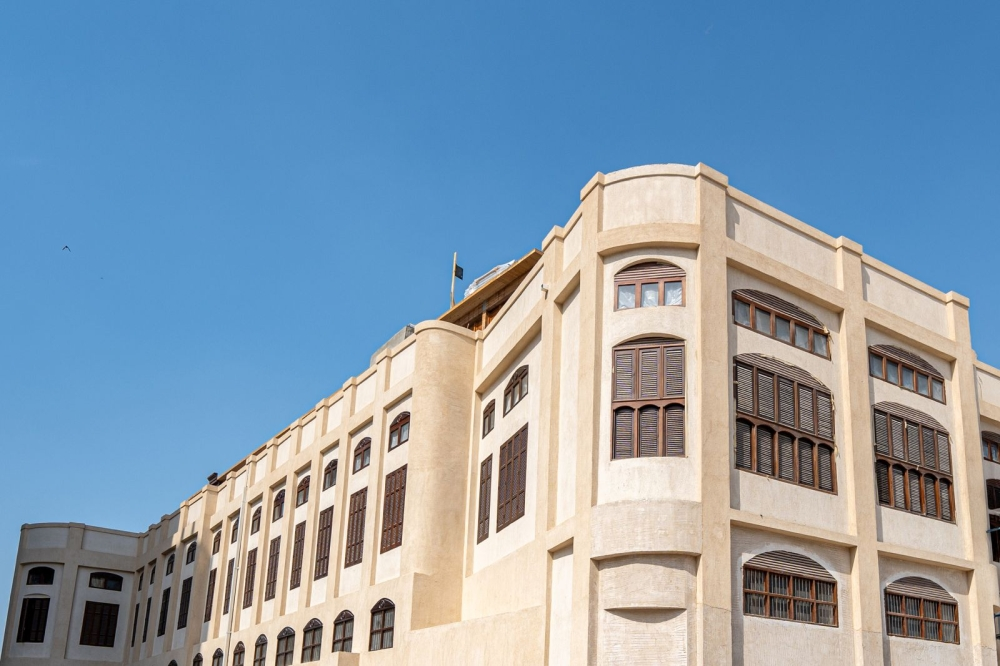
The museum's significance stems not only from its collection but also from its strategic location within the historic Bab al-Bunt building. This building stands as a living testament to Jeddah's history, having served for centuries as the "sea gateway" welcoming millions of pilgrims, Umrah performers, and merchants from all corners of the earth. Revitalizing this landmark and transforming it into a specialized museum is a wise step towards connecting new generations with their ancestors' history and reminding the world of Jeddah's pivotal role as a bridge for cultural exchange and trade between East and West.
In this context, His Highness Prince Badr bin Abdullah bin Farhan Al Saud, Minister of Culture and Chairman of the Board of Directors of the Museums Authority, affirmed that the museum represents a firm commitment to preserving history, noting its role in enhancing the quality of life and empowering the artistic and cultural scene in the Kingdom.
Red Sea Treasures: A Journey Through 23 Halls
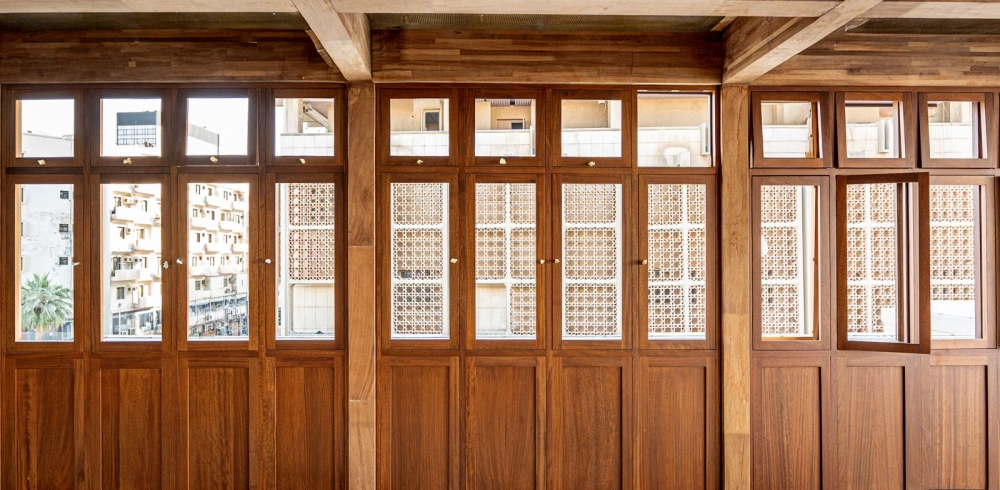
The museum offers a rich experience spanning seven main themes across 23 exhibition halls equipped with state-of-the-art museum technology. It houses a rare collection of over 1,000 artifacts and works of art , including:
- Ancient nautical navigation tools and maps used by early sailors.
- Rare commercial artifacts such as Chinese porcelain, coral, and agarwood incense burners, reflecting the movement of global trade across the Red Sea.
- Historical documents, manuscripts, and photographs documenting pilgrimages and trade seasons.
- Contemporary artworks by Saudi and international artists create a visual dialogue between the past and the present.
Expected cultural and economic impact
The Red Sea Museum is expected to revolutionize Jeddah's tourism landscape. The presence of a cultural landmark of this scale within a UNESCO World Heritage Site will enhance the area's appeal to both international and domestic visitors, contributing to economic growth and supporting the hospitality and logistics sectors. The museum also solidifies the Kingdom's position as a global cultural destination capable of presenting its heritage in a contemporary style that blends authenticity with innovation.
Interactive programs and constantly evolving exhibitions
The museum's role extends beyond traditional exhibitions, serving as an educational and interactive center. The opening will also feature the launch of the temporary exhibition "Gate of Gates" by Saudi artist Muath Al-Awfi, curated by Philippe Cardinale, which explores the architectural transformations of Bab Al-Bunt.
The museum also offers a range of community programs, including:
- “Made in the Red Sea” initiative: To train craftsmen and develop handicrafts inspired by the marine environment.
- Red Sea Music: Artistic performances celebrating the region's musical heritage.
- Guided tours and educational programs tailored for schools and families to promote awareness of maritime heritage.
With the opening of this monument, Jeddah is rewriting its maritime history, opening the doors of “Bab Al-Bunt” once again, not to receive goods this time, but to welcome those seeking knowledge and beauty, and to confirm to the world that the Red Sea was not just a waterway, but was and still is a lifeline of civilization.