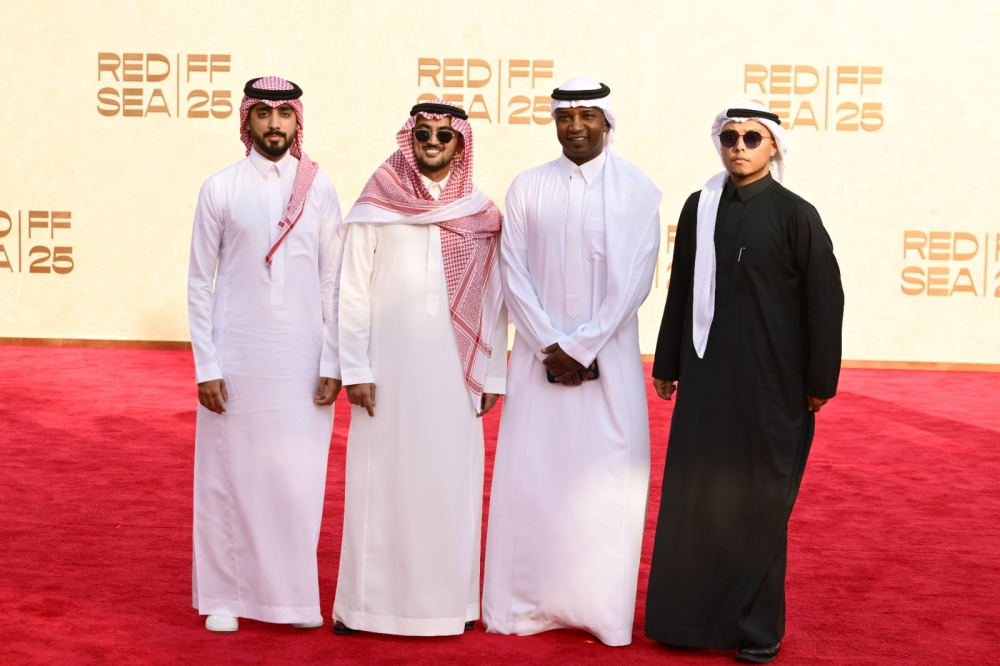
The Red Sea International Film Festival continues to solidify its position as one of the region's most prominent cultural events. Its fourth day witnessed a remarkable turnout and a notable presence of some of the brightest stars of Arab and international cinema. This event comes within the context of the unprecedented cultural and artistic movement taking place in the Kingdom of Saudi Arabia as part of Vision 2030, which places particular emphasis on the film sector as a vital economic and creative driver.
A global platform in the heart of historic Jeddah
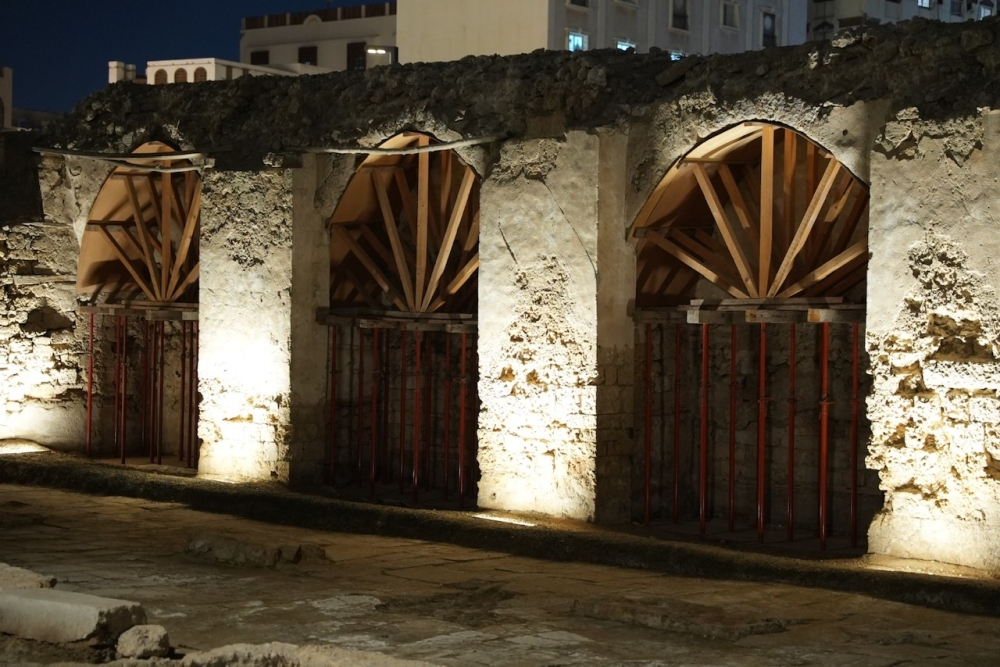
The festival's role extends beyond simply screening films; it serves as a bridge for cultural exchange between East and West. From the heart of the historic Al-Balad district, a UNESCO World Heritage Site, cinematic narratives unfold, reflecting cultural diversity and strengthening the presence of Arab cinema on the international stage. It also provides a platform for emerging talents to engage with established global expertise.
Saudi cinema steals the spotlight
The fourth day featured a special celebration of new Saudi cinema , with the unveiling of a red carpet in the Culture Square showcasing a selection of promising works. The highlight was the premiere of "Nour," directed by Omar Al-Muqri, which documents the journey of footballer Mohammed Noor from the alleys of Mecca to the pinnacle of football glory. Also screened were "I Saw the Sands Drawn," directed by Abdullah Al-Hamdi, which blends reality and imagination in a profound artistic philosophy, and "Circles of Life," directed by Khalid Al-Dusaimani, which explores Saudi artistic memory.
Cultural diversity in the feature film competition
As part of the official competition, the audience enjoyed the premiere of "Track Mama" by Kenyan director Zebora Nyaruri, which highlights the struggles of African women. The screenings also included "Barney" by Somali director Mohamed Sheikh, and "Younan" by Syrian director Amir Fakhreddine, which addresses themes of alienation and the search for self, reflecting the festival's commitment to tackling pressing human issues.
Haifa Al-Mansour's return and restored classics
One of the day's highlights was the premiere of "The Unknown," a film by pioneering Saudi director Haifaa Al-Mansour , who returns with a social drama about the search for new beginnings. On the classics front, the restored version of the acclaimed Indian film "Omrao Jaan" (1981) was screened, reaffirming the festival's role in preserving global cinematic heritage.
Dialogue sessions that shape the future of the industry
The panel discussions enriched the festival atmosphere, featuring cinematic luminaries such as American director Sean Baker and Egyptian actress Mai Omar. Lebanese director Nadine Labaki the show with her talk on the philosophy of acting, stating, "Humanity is my primary source of inspiration… Cinema is a noble profession that only achieves its purpose by touching human emotions and changing reality," emphasizing art's power to effect tangible social change.